THE ADVENTURE COLLECTIVE® · Independent discovery and booking for outdoor travel

Spend a night on the Zambezi’s white sand beaches beneath Batoka Gorge’s basalt cliffs—stargazing, campfire meals, river swims, and close wildlife encounters downstream of Victoria Falls. This practical overnight immersion balances adventure with safety and local insight.
Spend a night on the Zambezi’s white sand beaches beneath Batoka Gorge’s basalt cliffs—stargazing, campfire meals, river swims, and close wildlife encounters downstream of Victoria Falls. This practical overnight immersion balances adventure with safety and local insight.
The river hisses against basalt cliffs as your campfire throws a warm circle across a white sand beach. Night here is immediate: stars press low above Batoka Gorge, the Zambezi’s current murmuring below and, in the distance, Victoria Falls’ distant roar keeps vigil.
Verified experiences and guided adventures in the surrounding area.
Operated by Mpala Guest & Adventure Farm & Try Rafting Company · Victoria Falls, Matabeleland North
The river hisses against basalt cliffs as your campfire throws a warm circle across a white sand beach. Night here is immediate: stars press low above Batoka Gorge, the Zambezi’s current murmuring below and, in the distance, Victoria Falls’ distant roar keeps vigil.
Batoka Gorge is carved into multi-layered basalt flows laid down by ancient volcanism; the steep cliffs and narrow river channel create dramatic pools and rapids. The area sits downstream from Victoria Falls, where the local Tonga and Lozi communities have long fished and navigated the river. Camp cuisine—maize, fresh fish, and stews—cooked over coals, is part of the cultural exchange that comes with an overnight on the banks.
Expect flat, sandy campsites with nearby rocky ledges for short hikes and cliff-jumping spots. Access often involves a short riverside walk from a drop-off point; elevation change is minimal (typically under 50 m). Wildlife is present—hippos graze at night, elephants sometimes pass along the shoreline—so drills for safe behavior are part of the guide’s briefing.
Practical guidance: this is a 24‑hour overnight that runs best in the dry season (May–Oct) when beaches and visibility are at their best; high-water months (Feb–Apr) make some sandbars inaccessible and the current stronger. Bring a warm sleeping bag for cool desert nights, insect repellent, a headlamp, and waterproof storage. Stay clear of hippo paths, drink treated water or bottled supplies, and follow your guide’s instructions for river swimming and cliff jumping. Leave no trace—these beaches recover slowly, and the Gorge’s wildlife depends on quiet, low-impact camps.
moderate.
24 hours.
Suitable for people comfortable walking on uneven sand and rock for short distances; no sustained fitness requirement.
Camps are typically 15–25 km downstream of Victoria Falls; access requires a short transfer followed by a riverside approach or boat drop-off.
They can be if you approach or block their route—guides locate camps away from common paths and brief guests on maintaining safe distances.
Swimming is allowed in designated spots when guides judge current conditions safe—avoid unregulated areas and never swim alone at dusk or night.
Meals are provided and guides can accommodate dietary restrictions if notified at booking; bring personal snacks and any specialty items you require.
The Batoka Gorge is cut through successive basalt flows laid down by ancient eruptions; local Tonga communities have long used the Zambezi for fishing and river travel.
Camps operate under low-impact principles—guests are asked to pack out waste, avoid single-use plastics, and respect wildlife corridors to limit disturbance.
Mpala Guest & Adventure Farm & Try Rafting Company operates guided outdoor trips and adventures with an emphasis on safety, stewardship, and memorable experiences.
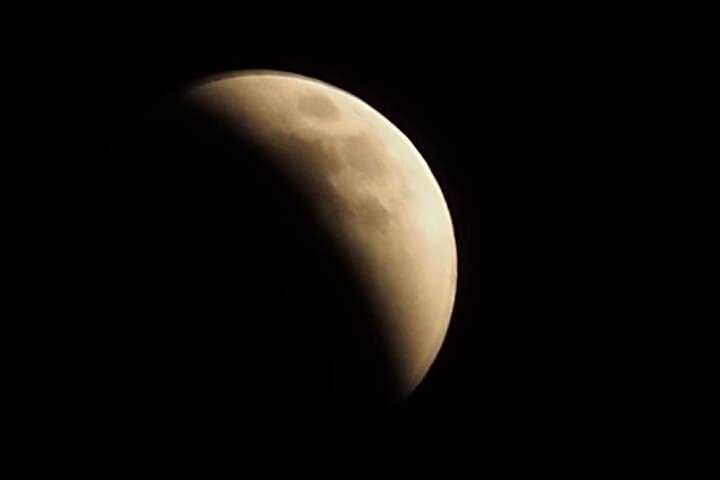
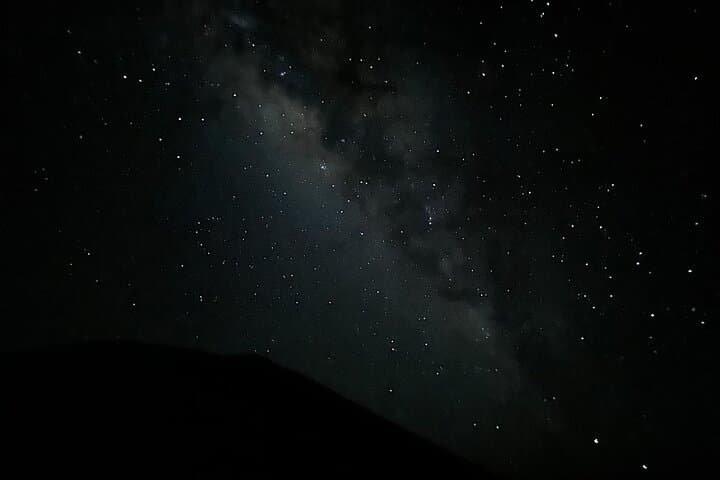
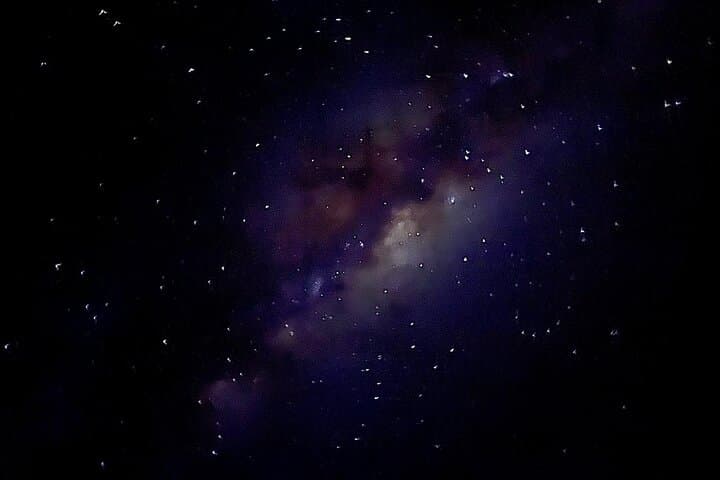
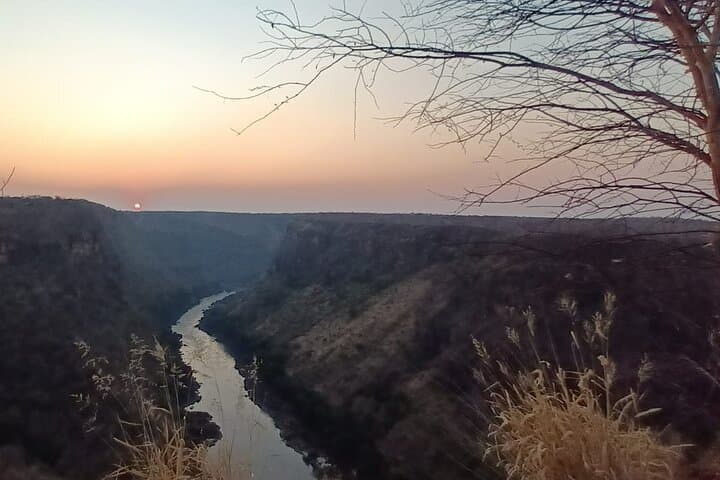
The river hisses against basalt cliffs as your campfire throws a warm circle across a white sand beach. Night here is immediate: stars press low above Batoka Gorge, the Zambezi’s current murmuring below and, in the distance, Victoria Falls’ distant roar keeps vigil.
The river hisses against basalt cliffs as your campfire throws a warm circle across a white sand beach. Night here is immediate: stars press low above Batoka Gorge, the Zambezi’s current murmuring below and, in the distance, Victoria Falls’ distant roar keeps vigil.
Batoka Gorge is carved into multi-layered basalt flows laid down by ancient volcanism; the steep cliffs and narrow river channel create dramatic pools and rapids. The area sits downstream from Victoria Falls, where the local Tonga and Lozi communities have long fished and navigated the river. Camp cuisine—maize, fresh fish, and stews—cooked over coals, is part of the cultural exchange that comes with an overnight on the banks.
Expect flat, sandy campsites with nearby rocky ledges for short hikes and cliff-jumping spots. Access often involves a short riverside walk from a drop-off point; elevation change is minimal (typically under 50 m). Wildlife is present—hippos graze at night, elephants sometimes pass along the shoreline—so drills for safe behavior are part of the guide’s briefing.
Practical guidance: this is a 24‑hour overnight that runs best in the dry season (May–Oct) when beaches and visibility are at their best; high-water months (Feb–Apr) make some sandbars inaccessible and the current stronger. Bring a warm sleeping bag for cool desert nights, insect repellent, a headlamp, and waterproof storage. Stay clear of hippo paths, drink treated water or bottled supplies, and follow your guide’s instructions for river swimming and cliff jumping. Leave no trace—these beaches recover slowly, and the Gorge’s wildlife depends on quiet, low-impact camps.