THE ADVENTURE COLLECTIVE® · Independent discovery and booking for outdoor travel

Spend a full day crossing borders and elevations: a treetop boardwalk above Slovak forest crowns and an easy funicular-and-street stroll in Zakopane’s mountain town. Expect panoramic Tatra views, local cheese, and a mix of cultural and natural highlights.
Spend a full day crossing borders and elevations: a treetop boardwalk above Slovak forest crowns and an easy funicular-and-street stroll in Zakopane’s mountain town. Expect panoramic Tatra views, local cheese, and a mix of cultural and natural highlights.
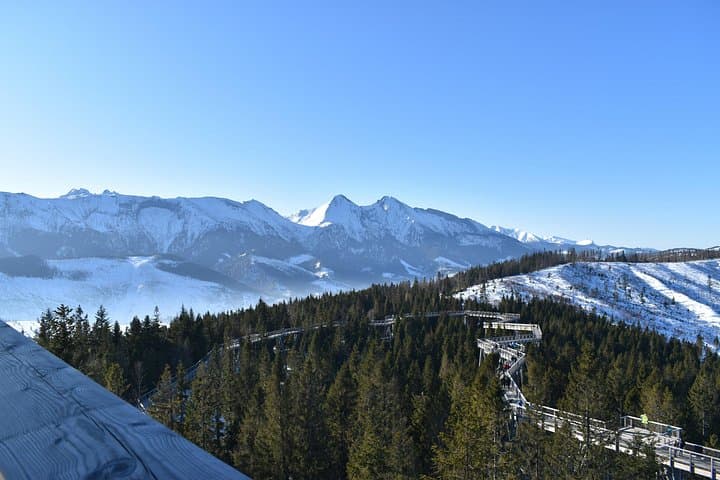
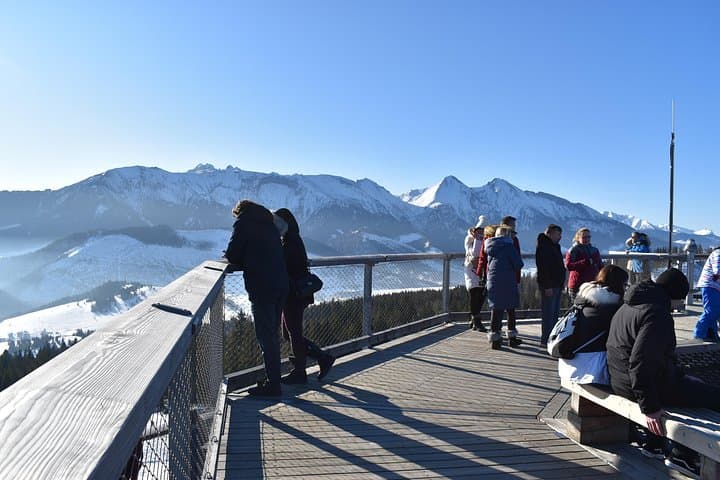
The bus peels out of Krakow before dawn and the lowland sprawl gives way to rising ridgelines. By mid-morning you’re stepping onto a wooden spine threaded through crowns of spruce and beech: the treetop walkway in the Ždiar/Bachledova valley sits 18–24 meters above the forest floor, a 600‑meter ribbon of boardwalk perched on massive pillars that makes the trees feel alive and opinionated as they sway around you.
Verified experiences and guided adventures in the surrounding area.
Operated by Xtrip · Zakopane, Lesser Poland Voivodeship
The bus peels out of Krakow before dawn and the lowland sprawl gives way to rising ridgelines. By mid-morning you’re stepping onto a wooden spine threaded through crowns of spruce and beech: the treetop walkway in the Ždiar/Bachledova valley sits 18–24 meters above the forest floor, a 600‑meter ribbon of boardwalk perched on massive pillars that makes the trees feel alive and opinionated as they sway around you.
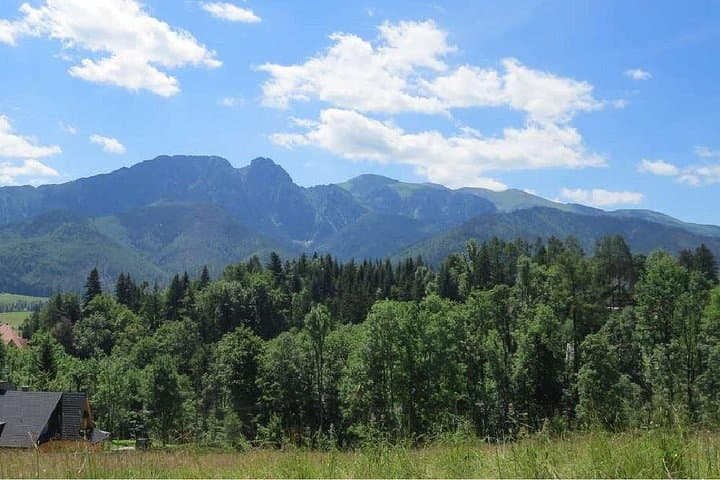
This route threads two cultures and two landscapes. Ždiar’s traditional Goral woodwork and painted eaves recall highland shepherding and seasonal cheese-making — you may be handed a slice of oscypek — while Zakopane, the “winter capital of Poland,” grew in the 19th century as mountain tourism and mountaineering met local craft and architecture. The Tatras themselves are a young, rugged range of granite peaks and glacial bowls; the walk offers a low-altitude vantage to read those geomorphological lines.
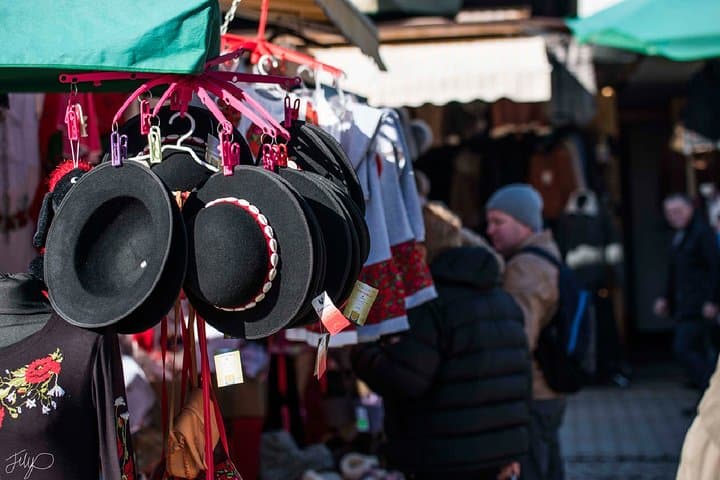
Expect a 30–40 minute uphill approach to the treetop access, easy walking on the elevated boardwalk, then a transfer back across the border for a funicular ride up Gubałówka and a wandering hour or two on Krupówki street in Zakopane. Border crossing is straightforward but remember IDs and note different currencies (euro in Slovakia, złoty in Poland).
Practical edge: pick a clear morning for light through the canopy, wear grippy boots for the forest approach, and allow time for both the funicular queue and souvenir shopping. Water, layered insulation, and a compact rain shell will keep the day comfortable across changing mountain weather.
moderate.
12 hours.
Moderate fitness; able to manage a 30–40 minute uphill walk and several hours of standing and strolling throughout the day.
Yes—this full-day tour crosses from Poland into Slovakia, so bring a valid passport or EU national ID card.
The elevated wooden path stretches roughly 600 meters and sits about 18–24 meters above the ground in places.
The treetop boardwalk is accessible to most ages, but the uphill approach is a 30–40 minute walk; travelers with mobility issues should check in advance about assistance options.
Slovakia uses the euro while Poland uses the złoty; card payments are common but carry small change for market stalls and snacks.
Ždiar and the surrounding Goral communities have a long highland pastoral tradition; Zakopane developed in the 19th century as a mountaineering and cultural hub tied to Polish national identity.
The treetop walkway is designed to minimize root and understory disturbance by elevating foot traffic; visitors are asked to stay on the path and avoid feeding wildlife to protect fragile alpine ecosystems.
Xtrip operates guided outdoor trips and adventures with an emphasis on safety, stewardship, and memorable experiences.
The bus peels out of Krakow before dawn and the lowland sprawl gives way to rising ridgelines. By mid-morning you’re stepping onto a wooden spine threaded through crowns of spruce and beech: the treetop walkway in the Ždiar/Bachledova valley sits 18–24 meters above the forest floor, a 600‑meter ribbon of boardwalk perched on massive pillars that makes the trees feel alive and opinionated as they sway around you.
The bus peels out of Krakow before dawn and the lowland sprawl gives way to rising ridgelines. By mid-morning you’re stepping onto a wooden spine threaded through crowns of spruce and beech: the treetop walkway in the Ždiar/Bachledova valley sits 18–24 meters above the forest floor, a 600‑meter ribbon of boardwalk perched on massive pillars that makes the trees feel alive and opinionated as they sway around you.
This route threads two cultures and two landscapes. Ždiar’s traditional Goral woodwork and painted eaves recall highland shepherding and seasonal cheese-making — you may be handed a slice of oscypek — while Zakopane, the “winter capital of Poland,” grew in the 19th century as mountain tourism and mountaineering met local craft and architecture. The Tatras themselves are a young, rugged range of granite peaks and glacial bowls; the walk offers a low-altitude vantage to read those geomorphological lines.
Expect a 30–40 minute uphill approach to the treetop access, easy walking on the elevated boardwalk, then a transfer back across the border for a funicular ride up Gubałówka and a wandering hour or two on Krupówki street in Zakopane. Border crossing is straightforward but remember IDs and note different currencies (euro in Slovakia, złoty in Poland).
Practical edge: pick a clear morning for light through the canopy, wear grippy boots for the forest approach, and allow time for both the funicular queue and souvenir shopping. Water, layered insulation, and a compact rain shell will keep the day comfortable across changing mountain weather.