THE ADVENTURE COLLECTIVE® · Independent discovery and booking for outdoor travel

Escape Krakow for a full-day push into the Tatra foothills: cultural stops in Zakopane, a lookout on Gubałówka, a visit to Chochołów’s wooden village and a soak in mineral-rich thermal pools. Expect a long day, dramatic views and restorative waters.
Escape Krakow for a full-day push into the Tatra foothills: cultural stops in Zakopane, a lookout on Gubałówka, a visit to Chochołów’s wooden village and a soak in mineral-rich thermal pools. Expect a long day, dramatic views and restorative waters.
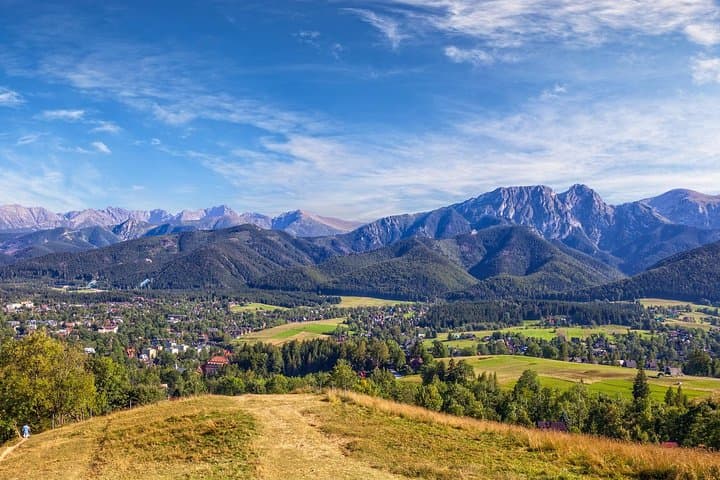
Morning light fractures over the Tatra ridgeline as the minivan winds out of Krakow; by the time the town of Zakopane comes into view, slate roofs and wooden houses crowd the valley like an old photograph coming alive.
Verified experiences and guided adventures in the surrounding area.
Operated by Poland Active · Zakopane, Lesser Poland (Małopolskie)
Morning light fractures over the Tatra ridgeline as the minivan winds out of Krakow; by the time the town of Zakopane comes into view, slate roofs and wooden houses crowd the valley like an old photograph coming alive.
The day blends highland culture with simple geology: the Tatras are a young, rugged spur of the Carpathians carved from limestone and granite, their scree slopes and cirques shaped by Ice Age glaciers. Zakopane grew as a mountain resort in the 19th century, its Krupówki street still the social axis where shepherding traditions meet wood-carving craft. A short climb or funicular ride to Gubałówka offers a broad, immediate view of peaks that dare you to look higher.
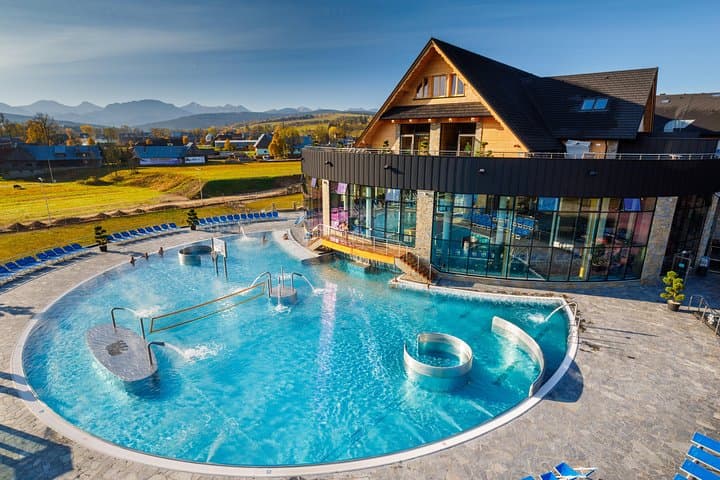
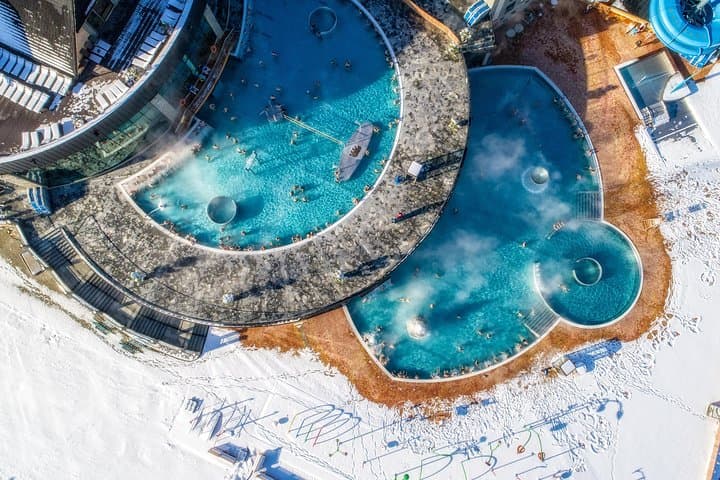
Between sightseeing, the tour pauses in Chochołów, a village of preserved wooden architecture, then moves to thermal baths where geothermal water — warm, mineral-rich and reputedly therapeutic — relaxes tired muscles.
Practical edge: expect a long, full day (around 10–11 hours) with about 2.5 hours’ drive each way. Bring swimwear, towel, layers for sudden mountain wind and sturdy shoes for short walks through uneven streets and viewpoints. The trip suits travelers wanting a single-day sampler—scenic lookouts, cultural stops, short strolls, then a restorative soak.
Timing matters: mornings in the valley are clearer; afternoons can cloud over. If you value photography and vistas, position yourself on Gubałówka early. For comfort, carry water and compact rain protection—Polish mountain weather changes fast.
easy.
10–11 hours.
Suitable for average fitness—mostly short walks and standing for viewpoints; not a strenuous hike.
The journey is about 2.5 hours each way by minivan, depending on traffic and stops.
Yes; many thermal facilities offer family-friendly pools, but check age-specific rules and bring infant seats if needed.
Yes—most itineraries include free time on Krupówki and a short visit to Krzeptówki and the old cemetery for self-guided exploration.
Standard swimwear is required; some pools mandate swim caps or have family/swimsuit etiquette—bring flips/flops for poolside areas.
Zakopane evolved in the 19th century as a health and cultural hub for Polish artists and intellectuals; the area preserves highland shepherding traditions and Zakopane-style wooden architecture.
The Tatra National Park enforces trail rules and seasonal closures to protect fragile alpine habitats—stay on marked paths and avoid picking vegetation.
Poland Active operates guided outdoor trips and adventures with an emphasis on safety, stewardship, and memorable experiences.
Morning light fractures over the Tatra ridgeline as the minivan winds out of Krakow; by the time the town of Zakopane comes into view, slate roofs and wooden houses crowd the valley like an old photograph coming alive.
Morning light fractures over the Tatra ridgeline as the minivan winds out of Krakow; by the time the town of Zakopane comes into view, slate roofs and wooden houses crowd the valley like an old photograph coming alive.
The day blends highland culture with simple geology: the Tatras are a young, rugged spur of the Carpathians carved from limestone and granite, their scree slopes and cirques shaped by Ice Age glaciers. Zakopane grew as a mountain resort in the 19th century, its Krupówki street still the social axis where shepherding traditions meet wood-carving craft. A short climb or funicular ride to Gubałówka offers a broad, immediate view of peaks that dare you to look higher.
Between sightseeing, the tour pauses in Chochołów, a village of preserved wooden architecture, then moves to thermal baths where geothermal water — warm, mineral-rich and reputedly therapeutic — relaxes tired muscles.
Practical edge: expect a long, full day (around 10–11 hours) with about 2.5 hours’ drive each way. Bring swimwear, towel, layers for sudden mountain wind and sturdy shoes for short walks through uneven streets and viewpoints. The trip suits travelers wanting a single-day sampler—scenic lookouts, cultural stops, short strolls, then a restorative soak.
Timing matters: mornings in the valley are clearer; afternoons can cloud over. If you value photography and vistas, position yourself on Gubałówka early. For comfort, carry water and compact rain protection—Polish mountain weather changes fast.