THE ADVENTURE COLLECTIVE® · Independent discovery and booking for outdoor travel

Stop en route between Zagreb and Split for three hours in Plitvice Lakes National Park: boardwalks, cascades and travertine terraces packed into a compact visit. Practical tips and what to expect from this private transfer with an optional guided tour.
Stop en route between Zagreb and Split for three hours in Plitvice Lakes National Park: boardwalks, cascades and travertine terraces packed into a compact visit. Practical tips and what to expect from this private transfer with an optional guided tour.
You leave Zagreb with the hum of the road under the wheels and a single landmark on the horizon: Plitvice Lakes. After about two hours the forest tightens, the highway gives way to country lanes and the air sharpens with the smell of beech and spruce. For three hours you trade the vehicle’s forward motion for boardwalks, waterfalls that keep their own rhythm, and terraces of water that dare you to look away.
Verified experiences and guided adventures in the surrounding area.
Operated by CROATIA PRIVATE TOURS · Plitvička Jezera, Lika-Senj County
You leave Zagreb with the hum of the road under the wheels and a single landmark on the horizon: Plitvice Lakes. After about two hours the forest tightens, the highway gives way to country lanes and the air sharpens with the smell of beech and spruce. For three hours you trade the vehicle’s forward motion for boardwalks, waterfalls that keep their own rhythm, and terraces of water that dare you to look away.
Plitvice Lakes National Park, protected since 1949 and a UNESCO World Heritage site since 1979, occupies a karst landscape where limestone and travertine build the stepped lakes. The region bears the marks of human history—from Ottoman-era routes to 20th-century conservation efforts—and local villages like Plitvička Jezera still retain a rural pace.
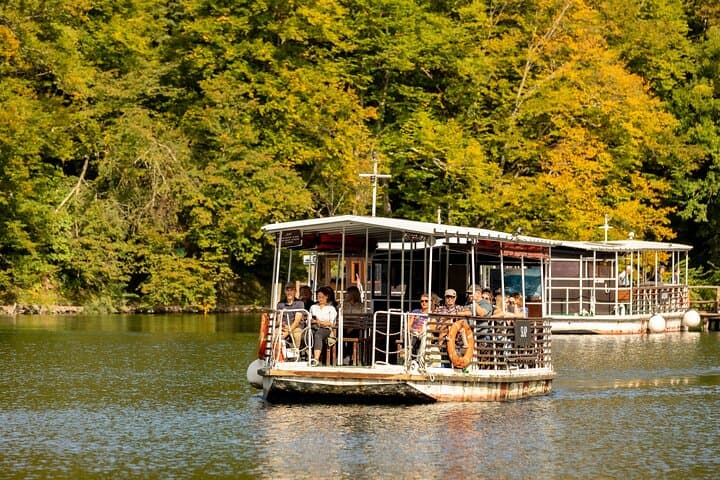
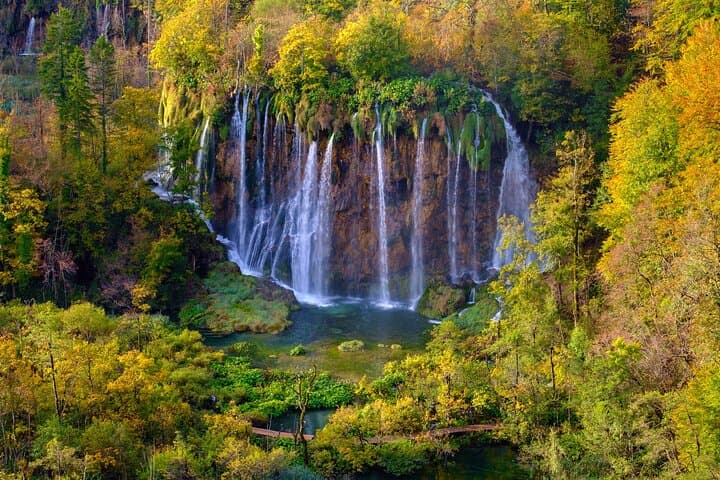
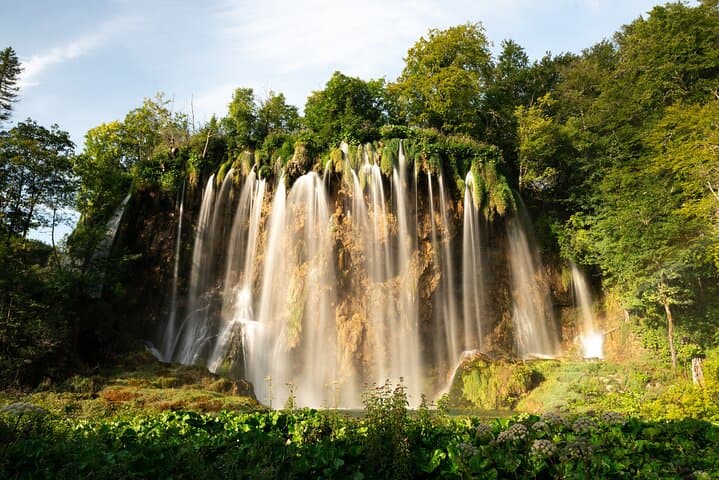
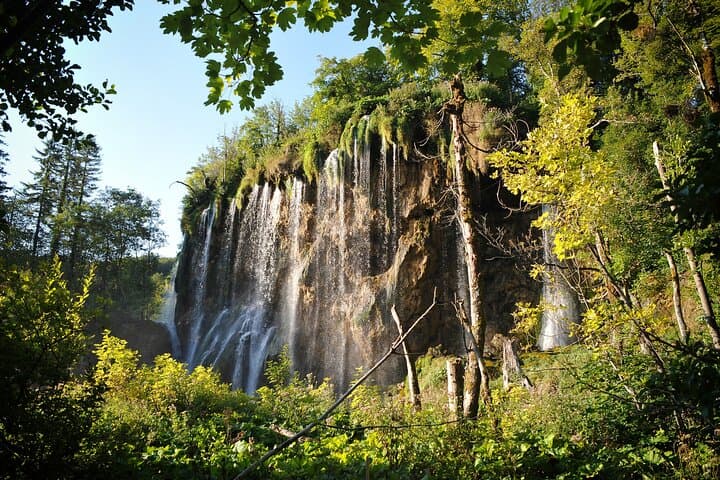
In practice, a three-hour stop lets you walk one of the shorter circuits (2–8 km depending on the chosen route), ride the park shuttle or boat, and photograph the 16 interconnected lakes and intermittent cascades. Trails are mostly wooden boardwalks and gravel paths; expect quick elevation shifts around viewpoints. Guides add geological and cultural context if you choose a guided stop; otherwise maps and signage are clear.
Practicalities: wear grippy shoes, bring a water bottle, and book park entry in high season. Roads are passable most of the year but winter brings icy sections; the transfer covers roughly 450 km from Zagreb to Split with a mid-route detour to the park. Whether you take a guided commentary or move independently, the stop compresses the park’s scale into a concentrated encounter—wild, structured, and unforgettable.
easy.
8–12 hours.
Suitable for most fitness levels; you should be comfortable walking 2–8 km on mixed boardwalk and gravel trails.
This transfer includes a three-hour stop in the park—enough for a short circuit, a boat or shuttle ride, and key viewpoints.
Entrance fees are not always included with transfers; confirm at booking and consider purchasing park tickets in advance during high season.
Some lower lakes and boardwalk sections are accessible, but many routes include steps and uneven surfaces; check current park accessibility info before travel.
Yes—an optional local guide can provide historical and environmental commentary during the three-hour visit if arranged ahead of time.
The park’s karst lakes formed over millennia as tufa barriers grew from mineral-rich waters; the site gained national protection after early 20th-century naturalists campaigned for preservation.
Visitor limits and defined pathways protect fragile travertine formations—sticking to trails helps prevent erosion and preserves water quality.
CROATIA PRIVATE TOURS operates guided outdoor trips and adventures with an emphasis on safety, stewardship, and memorable experiences.
You leave Zagreb with the hum of the road under the wheels and a single landmark on the horizon: Plitvice Lakes. After about two hours the forest tightens, the highway gives way to country lanes and the air sharpens with the smell of beech and spruce. For three hours you trade the vehicle’s forward motion for boardwalks, waterfalls that keep their own rhythm, and terraces of water that dare you to look away.
You leave Zagreb with the hum of the road under the wheels and a single landmark on the horizon: Plitvice Lakes. After about two hours the forest tightens, the highway gives way to country lanes and the air sharpens with the smell of beech and spruce. For three hours you trade the vehicle’s forward motion for boardwalks, waterfalls that keep their own rhythm, and terraces of water that dare you to look away.
Plitvice Lakes National Park, protected since 1949 and a UNESCO World Heritage site since 1979, occupies a karst landscape where limestone and travertine build the stepped lakes. The region bears the marks of human history—from Ottoman-era routes to 20th-century conservation efforts—and local villages like Plitvička Jezera still retain a rural pace.
In practice, a three-hour stop lets you walk one of the shorter circuits (2–8 km depending on the chosen route), ride the park shuttle or boat, and photograph the 16 interconnected lakes and intermittent cascades. Trails are mostly wooden boardwalks and gravel paths; expect quick elevation shifts around viewpoints. Guides add geological and cultural context if you choose a guided stop; otherwise maps and signage are clear.
Practicalities: wear grippy shoes, bring a water bottle, and book park entry in high season. Roads are passable most of the year but winter brings icy sections; the transfer covers roughly 450 km from Zagreb to Split with a mid-route detour to the park. Whether you take a guided commentary or move independently, the stop compresses the park’s scale into a concentrated encounter—wild, structured, and unforgettable.