THE ADVENTURE COLLECTIVE® · Independent discovery and booking for outdoor travel

Make the road between Zagreb and Split an active part of your journey with a flexible small-group transfer that pauses at UNESCO-listed Plitvice Lakes. Expect panoramic drives, a short boat crossing and boardwalk hikes through cascading travertine pools.
Make the road between Zagreb and Split an active part of your journey with a flexible small-group transfer that pauses at UNESCO-listed Plitvice Lakes. Expect panoramic drives, a short boat crossing and boardwalk hikes through cascading travertine pools.
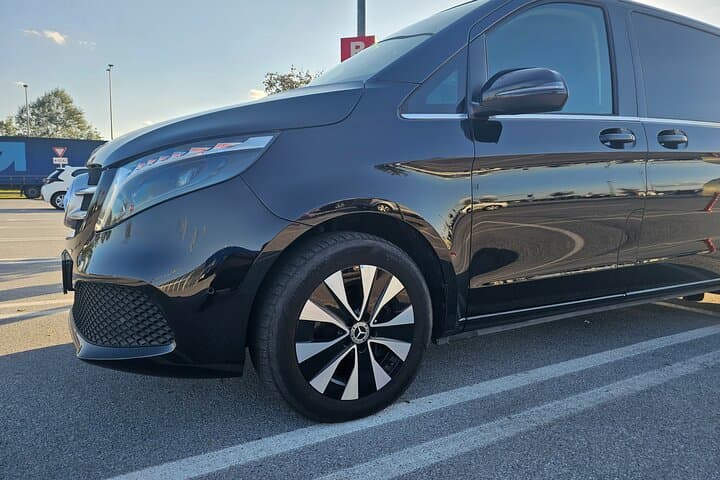
You step into a quiet Mercedes van in Zagreb just after dawn; the city peels away behind you as the road climbs toward the high karst plateaus. Mountains appear on the horizon and, before long, the air shifts—colder, moss-scented—bringing the sound of water close, as Plitvice’s cascades begin to announce themselves.
Verified experiences and guided adventures in the surrounding area.
Operated by Canyon travel · Plitvička Jezera, Lika-Senj County
You step into a quiet Mercedes van in Zagreb just after dawn; the city peels away behind you as the road climbs toward the high karst plateaus. Mountains appear on the horizon and, before long, the air shifts—colder, moss-scented—bringing the sound of water close, as Plitvice’s cascades begin to announce themselves.
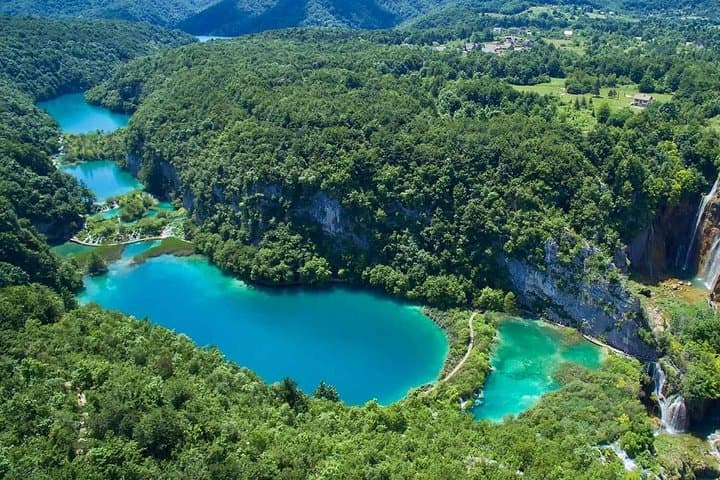
Plitvice Lakes National Park, protected since 1949 and a UNESCO site from 1979, is a place where travertine dams grow and shift with every season. The park’s geology—limestone and tufa deposits fed by mineral-rich springs—creates 16 linked lakes and a series of waterfalls that push and pull at the landscape. Local villages in Lika-Senj County have shepherding and forestry traditions; many visitor rules grew from balancing tourism with fragile karst ecosystems.
On this small-group transfer (max seven) the itinerary is flexible: a panoramic drive, a short boat crossing on Kozjak, and time on the boardwalks to follow the lakes. Bring footwear for wet stone and stairs; paths are well maintained but can be slippery. Note the park’s new entry rules: buy tickets at least two days ahead and aim for the reserved midday entry window. The van includes AC, WiFi and bottled water, and the driver can make short stops along the route.
Practically, plan for an 8–10 hour day, dress in layers, carry a refillable bottle, and allow extra time for traffic and seasonal crowds. The transfer continues to Split with hotel drop-off—an efficient way to connect two Dalmatian hubs while letting Plitvice’s waterfalls dare you to slow down and look closer.
moderate.
8–10 hours.
Suitable for travelers with a moderate level of fitness who can manage 2–4 miles of walking on uneven, sometimes steep boardwalks and steps.
Yes. The park requires tickets purchased at least 48 hours before arrival for reserved entry windows—plan for the midday slot noted by the operator.
The transfer is unstructured and typically allows several hours for a panoramic drive, a short boat ride and boardwalk walks, within the overall 8–10 hour duration.
Yes. The small-group van is flexible and the driver can make short stops on request, subject to timing and traffic.
Children must be accompanied by an adult. The park has boardwalks and stairs which may challenge those with limited mobility—contact the operator to discuss needs.
Plitvice was Croatia’s first national park (1949) and earned UNESCO status in 1979; its travertine formations are a result of ongoing limestone deposition shaped by water chemistry and vegetation.
The park enforces strict visitor procedures—stay on boardwalks, don’t swim, and respect ticketed entry windows to limit erosion and protect tufa growth.
Canyon travel operates guided outdoor trips and adventures with an emphasis on safety, stewardship, and memorable experiences.


You step into a quiet Mercedes van in Zagreb just after dawn; the city peels away behind you as the road climbs toward the high karst plateaus. Mountains appear on the horizon and, before long, the air shifts—colder, moss-scented—bringing the sound of water close, as Plitvice’s cascades begin to announce themselves.
You step into a quiet Mercedes van in Zagreb just after dawn; the city peels away behind you as the road climbs toward the high karst plateaus. Mountains appear on the horizon and, before long, the air shifts—colder, moss-scented—bringing the sound of water close, as Plitvice’s cascades begin to announce themselves.
Plitvice Lakes National Park, protected since 1949 and a UNESCO site from 1979, is a place where travertine dams grow and shift with every season. The park’s geology—limestone and tufa deposits fed by mineral-rich springs—creates 16 linked lakes and a series of waterfalls that push and pull at the landscape. Local villages in Lika-Senj County have shepherding and forestry traditions; many visitor rules grew from balancing tourism with fragile karst ecosystems.
On this small-group transfer (max seven) the itinerary is flexible: a panoramic drive, a short boat crossing on Kozjak, and time on the boardwalks to follow the lakes. Bring footwear for wet stone and stairs; paths are well maintained but can be slippery. Note the park’s new entry rules: buy tickets at least two days ahead and aim for the reserved midday entry window. The van includes AC, WiFi and bottled water, and the driver can make short stops along the route.
Practically, plan for an 8–10 hour day, dress in layers, carry a refillable bottle, and allow extra time for traffic and seasonal crowds. The transfer continues to Split with hotel drop-off—an efficient way to connect two Dalmatian hubs while letting Plitvice’s waterfalls dare you to slow down and look closer.