THE ADVENTURE COLLECTIVE® · Independent discovery and booking for outdoor travel

A practical full-day transfer that pairs transport between Zagreb and Split with several hours inside Plitvice Lakes National Park. Expect wooden boardwalks, boat and train links, and 8–10 km of walking through karst-formed cascades.
A practical full-day transfer that pairs transport between Zagreb and Split with several hours inside Plitvice Lakes National Park. Expect wooden boardwalks, boat and train links, and 8–10 km of walking through karst-formed cascades.
You step off the coach and the forest exhales: cool, mineral-rich air, water threading down limestone steps and broad boardwalks vibrating with the chatter of visitors. For several hours the world narrows to waterfalls, turquoise pools and the soft clack of shoes on wood as you make your way from the lower lakes toward the higher cascades.
Verified experiences and guided adventures in the surrounding area.
Operated by Gray Line Croatia · Plitvička Jezera, Lika-Senj County
You step off the coach and the forest exhales: cool, mineral-rich air, water threading down limestone steps and broad boardwalks vibrating with the chatter of visitors. For several hours the world narrows to waterfalls, turquoise pools and the soft clack of shoes on wood as you make your way from the lower lakes toward the higher cascades.
Plitvice Lakes National Park, protected by UNESCO since 1979, is classic karst country—travertine dams growing where calcium-rich water deposits mineral layers. The geology makes abrupt falls and stair-stepped lakes; the area’s human history is modest—a scattering of shepherding hamlets and wartime scars now softened by regrowth. Local guides point out endemic plants and talk about traditional uses of the surrounding forest while ferries and an electric train stitch the park’s routes together.
This guided transfer combines door-to-door logistics with a concentrated Plitvice visit: expect a roughly 8–10 km walk depending on the chosen trail, modest elevation changes (around 100–200 m cumulative), and built boardwalks that keep you close to the water but require steady footing. Practicalities: arrive with layered clothing, waterproof shoes, and a charged camera; bring water and snacks because your time at the park is finite. Entrances and boat/train rides are typically included on day tours, but ticket lines and seasonal crowds affect timing—early departures minimize both.
The experience balances cinematic scenery with a pragmatic rhythm: move when the guide asks, leave no trace, and let the lakes do the rest—persistent, patient, and quietly insistive in their blue-green light.
moderate.
12 hours.
Moderate fitness—able to walk 8–10 km on varied, sometimes wet terrain and climb modest elevation.
Day tours commonly include park tickets, but confirm at booking; this specific transfer provides entrance tickets upon arrival.
Expect roughly 4–5 hours inside the park, enough to cover a main loop with boat and train segments but not exhaustive exploration.
Parts of the park have boardwalks accessible to strollers, but the overall visit involves steps and uneven paths; not recommended for those with significant walking disabilities.
Yes—this service operates as a one-way transfer from Zagreb to Split with the park stop; check departure points and times when booking.
The park’s travertine landscape formed over millennia as calcium carbonate deposited and built natural dams; the area has been protected progressively since early 20th-century conservation efforts.
Stay on marked paths to preserve fragile travertine formations and follow park rules on waste and feeding wildlife; high visitor numbers require mindful behavior to reduce erosion and disturbance.
Gray Line Croatia operates guided outdoor trips and adventures with an emphasis on safety, stewardship, and memorable experiences.
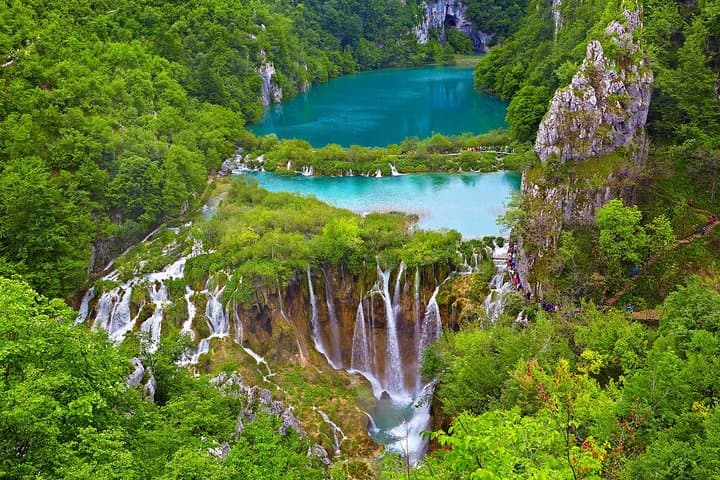
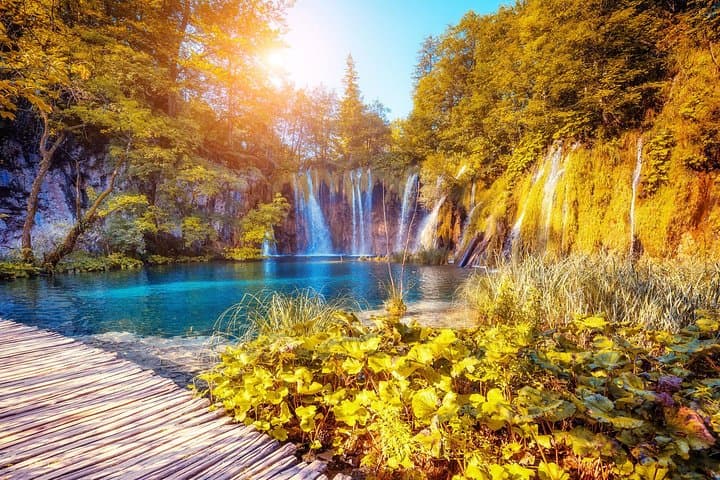
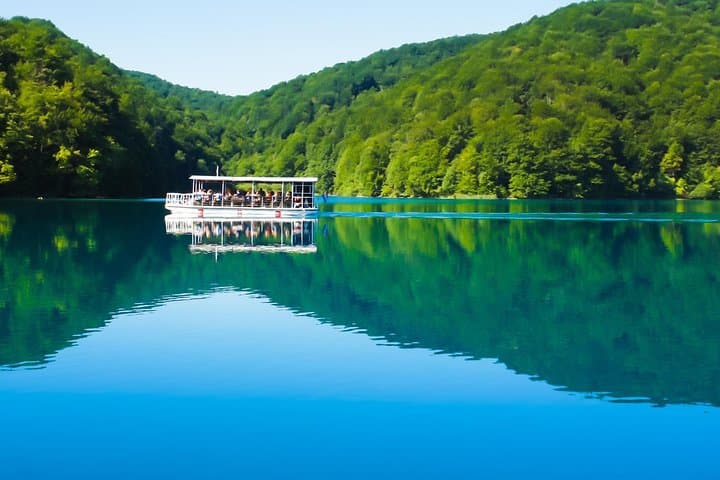
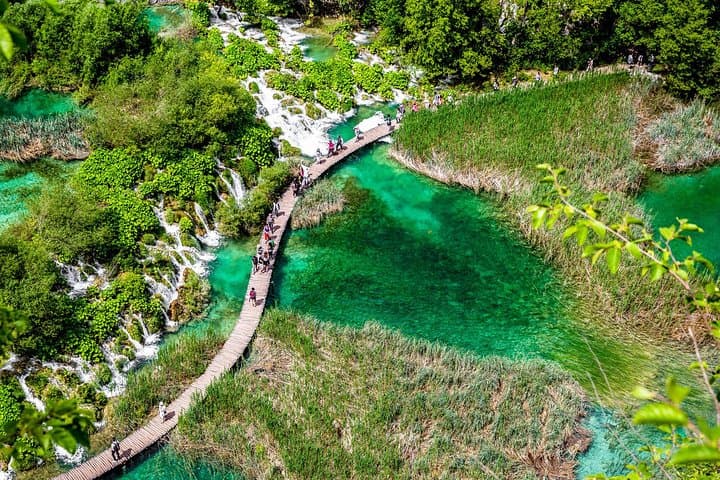
You step off the coach and the forest exhales: cool, mineral-rich air, water threading down limestone steps and broad boardwalks vibrating with the chatter of visitors. For several hours the world narrows to waterfalls, turquoise pools and the soft clack of shoes on wood as you make your way from the lower lakes toward the higher cascades.
You step off the coach and the forest exhales: cool, mineral-rich air, water threading down limestone steps and broad boardwalks vibrating with the chatter of visitors. For several hours the world narrows to waterfalls, turquoise pools and the soft clack of shoes on wood as you make your way from the lower lakes toward the higher cascades.
Plitvice Lakes National Park, protected by UNESCO since 1979, is classic karst country—travertine dams growing where calcium-rich water deposits mineral layers. The geology makes abrupt falls and stair-stepped lakes; the area’s human history is modest—a scattering of shepherding hamlets and wartime scars now softened by regrowth. Local guides point out endemic plants and talk about traditional uses of the surrounding forest while ferries and an electric train stitch the park’s routes together.
This guided transfer combines door-to-door logistics with a concentrated Plitvice visit: expect a roughly 8–10 km walk depending on the chosen trail, modest elevation changes (around 100–200 m cumulative), and built boardwalks that keep you close to the water but require steady footing. Practicalities: arrive with layered clothing, waterproof shoes, and a charged camera; bring water and snacks because your time at the park is finite. Entrances and boat/train rides are typically included on day tours, but ticket lines and seasonal crowds affect timing—early departures minimize both.
The experience balances cinematic scenery with a pragmatic rhythm: move when the guide asks, leave no trace, and let the lakes do the rest—persistent, patient, and quietly insistive in their blue-green light.