THE ADVENTURE COLLECTIVE® · Independent discovery and booking for outdoor travel

A practical full-day transfer from Zagreb to Split that pauses for a 4-hour exploration of Plitvice Lakes National Park. Experience boardwalks, waterfalls and a scenic boat crossing before continuing to the Dalmatian coast.
A practical full-day transfer from Zagreb to Split that pauses for a 4-hour exploration of Plitvice Lakes National Park. Experience boardwalks, waterfalls and a scenic boat crossing before continuing to the Dalmatian coast.
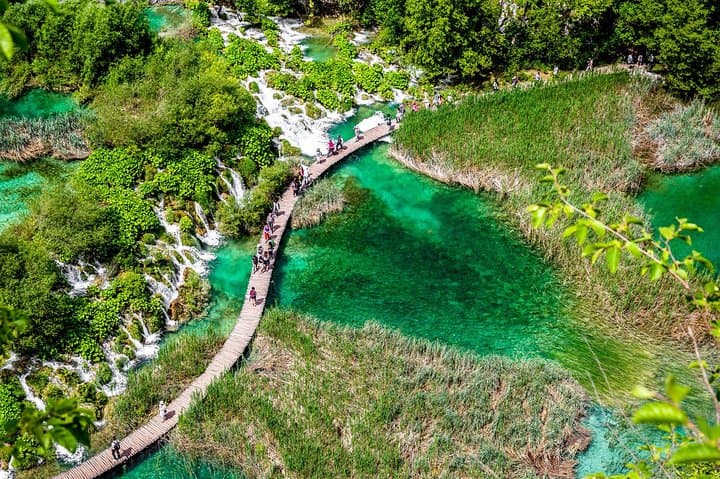
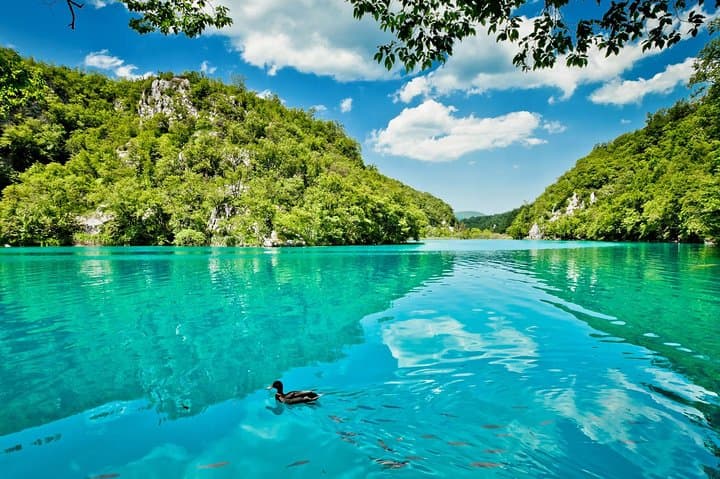
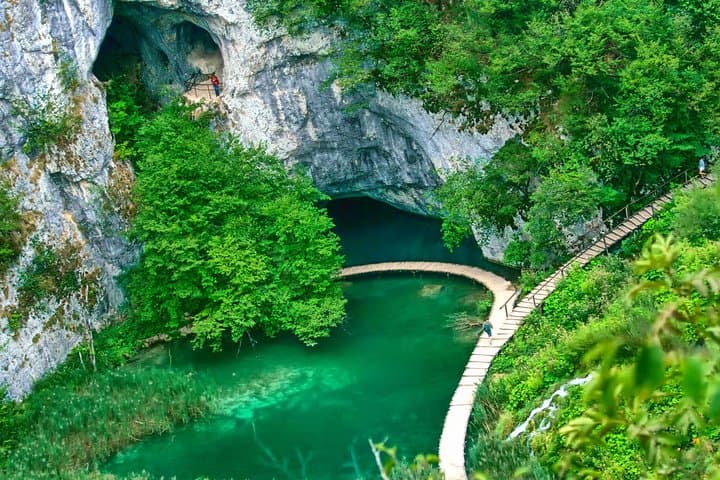
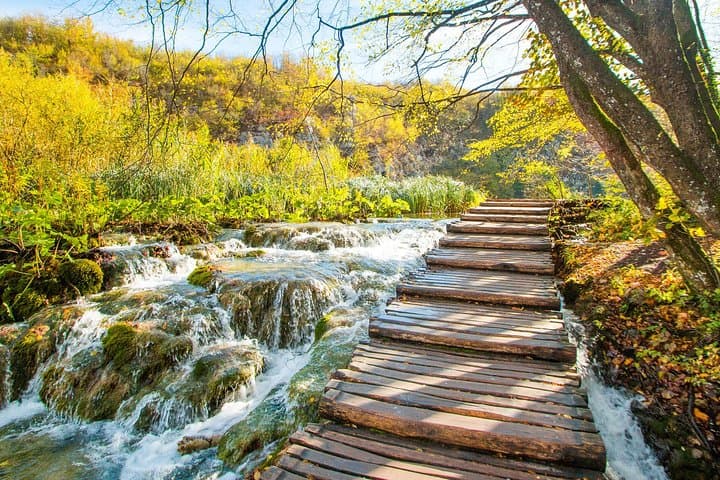
Stepping off the air-conditioned coach, the forest seems to exhale: cold mist rises from turquoise pools while wooden boardwalks thread the water like a deliberate stitch. For many travelers this day is a passage — a practical transfer from Zagreb to Split — that pauses to let the Plitvice Lakes do their work: slowing time with cascades and lozenge-blue basins that dare you to keep walking.
Verified experiences and guided adventures in the surrounding area.
Operated by Gray Line Croatia · Plitvička Jezera, Lika-Senj County
Stepping off the air-conditioned coach, the forest seems to exhale: cold mist rises from turquoise pools while wooden boardwalks thread the water like a deliberate stitch. For many travelers this day is a passage — a practical transfer from Zagreb to Split — that pauses to let the Plitvice Lakes do their work: slowing time with cascades and lozenge-blue basins that dare you to keep walking.
Plitvice Lakes National Park, protected by UNESCO since 1979, sits on karst limestone where tufa (travertine) barriers constantly reshape the landscape. Centuries of mineral-rich water and moss have built the park’s stepped lakes and waterfalls; culturally, the area sits between inland Lika traditions and Dalmatian coastal routes, so expect simple mountain hospitality at nearby villages.
The tour typically allows about four hours inside the park — enough for the main loop that combines panoramic boat crossings and an electric train along gentler stretches. Boardwalks and steps move you up close to the falls; currents push the water through narrow gorges and wide sheets that glow green-blue under clear skies.
Practicalities are straightforward: check in at least 20 minutes before departure, keep a printed or mobile voucher handy, and be prepared for a 12-hour total day (roughly 2–2.5 hours from Zagreb to Plitvice, then 3–4 hours onward to Split depending on traffic). Wear comfortable, water-resistant footwear, carry water and layers, and budget time for photos — the park’s viewpoints are the reason to stop, not just a break in the journey.
moderate.
Approximately 12 hours total; ~4 hours in the park.
Moderate fitness—able to walk several hours on uneven boardwalks and stairs without difficulty
Yes—the tour includes the park entrance ticket, provided when you arrive at Plitvice.
Itineraries typically allocate about four hours for walking, a panoramic boat ride and the park’s electric train.
Basic facilities and cafés exist near main trailheads, but choices and service speed vary—carry snacks if you’re on a tight schedule.
Parts of the park have accessible paths and the boat; however, many sections include stairs and uneven boardwalks, so full accessibility is limited.
Plitvice’s travertine terraces formed over millennia as calcium-carbonate deposits built natural dams; the park became Croatia’s first national park in 1949 and a UNESCO World Heritage Site in 1979.
Visitor numbers are managed seasonally and boardwalks keep foot traffic off sensitive tufa formations—stick to marked trails and avoid touching the terraces to protect ongoing geological processes.
Gray Line Croatia operates guided outdoor trips and adventures with an emphasis on safety, stewardship, and memorable experiences.
Stepping off the air-conditioned coach, the forest seems to exhale: cold mist rises from turquoise pools while wooden boardwalks thread the water like a deliberate stitch. For many travelers this day is a passage — a practical transfer from Zagreb to Split — that pauses to let the Plitvice Lakes do their work: slowing time with cascades and lozenge-blue basins that dare you to keep walking.
Stepping off the air-conditioned coach, the forest seems to exhale: cold mist rises from turquoise pools while wooden boardwalks thread the water like a deliberate stitch. For many travelers this day is a passage — a practical transfer from Zagreb to Split — that pauses to let the Plitvice Lakes do their work: slowing time with cascades and lozenge-blue basins that dare you to keep walking.
Plitvice Lakes National Park, protected by UNESCO since 1979, sits on karst limestone where tufa (travertine) barriers constantly reshape the landscape. Centuries of mineral-rich water and moss have built the park’s stepped lakes and waterfalls; culturally, the area sits between inland Lika traditions and Dalmatian coastal routes, so expect simple mountain hospitality at nearby villages.
The tour typically allows about four hours inside the park — enough for the main loop that combines panoramic boat crossings and an electric train along gentler stretches. Boardwalks and steps move you up close to the falls; currents push the water through narrow gorges and wide sheets that glow green-blue under clear skies.
Practicalities are straightforward: check in at least 20 minutes before departure, keep a printed or mobile voucher handy, and be prepared for a 12-hour total day (roughly 2–2.5 hours from Zagreb to Plitvice, then 3–4 hours onward to Split depending on traffic). Wear comfortable, water-resistant footwear, carry water and layers, and budget time for photos — the park’s viewpoints are the reason to stop, not just a break in the journey.