THE ADVENTURE COLLECTIVE® · Independent discovery and booking for outdoor travel

Skip the group rush and take a private day trip from Zagreb to Plitvice Lakes and the watermill village of Rastoke. This guide outlines what to expect on trails, cultural highlights, and practical tips for a relaxed, photo-friendly visit.
Skip the group rush and take a private day trip from Zagreb to Plitvice Lakes and the watermill village of Rastoke. This guide outlines what to expect on trails, cultural highlights, and practical tips for a relaxed, photo-friendly visit.
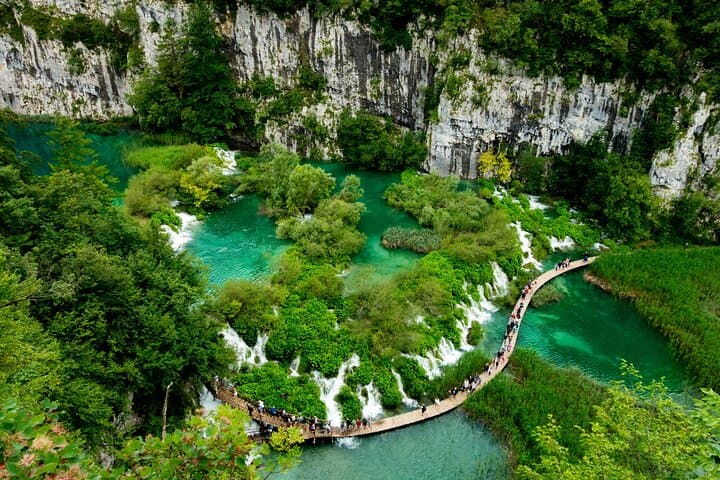
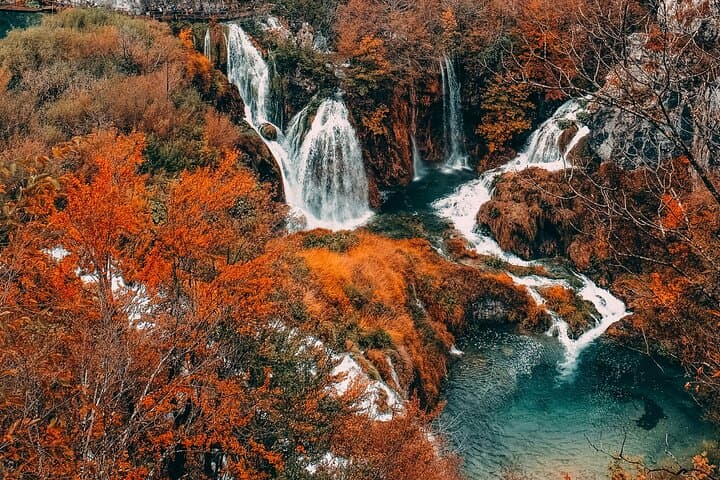
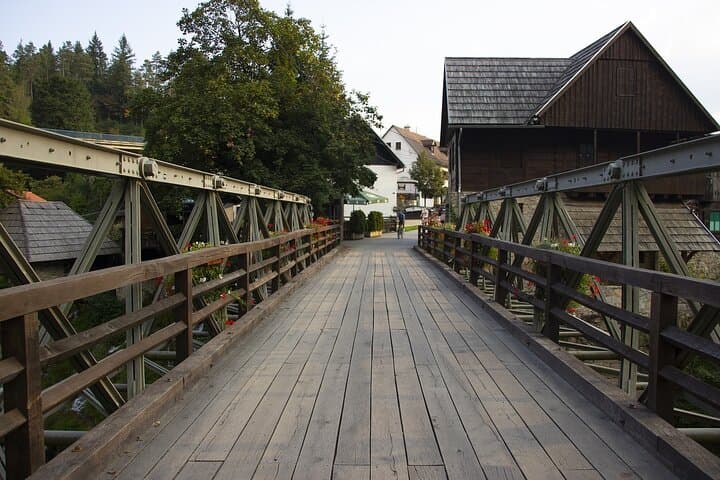
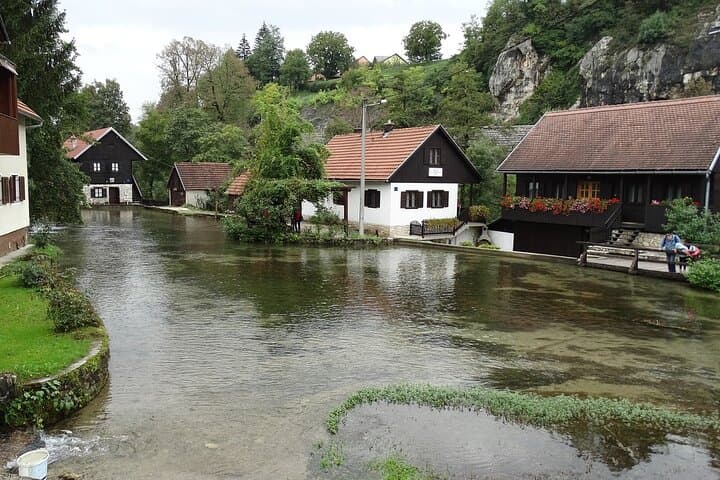
A cool morning in Zagreb: your driver eases out of the city and the highway gives way to folded karst hills. By midmorning you’re standing in Rastoke, where the Slunjčica River threads through a cluster of mills and wooden bridges, water daring you to follow its rush. Later the landscape opens again at Plitvice Lakes — terraces of turquoise pools and waterfalls that seem to rebuild themselves as water deposits travertine.
Verified experiences and guided adventures in the surrounding area.
Operated by Full of joy · Plitvička Jezera, Lika-Senj County
A cool morning in Zagreb: your driver eases out of the city and the highway gives way to folded karst hills. By midmorning you’re standing in Rastoke, where the Slunjčica River threads through a cluster of mills and wooden bridges, water daring you to follow its rush. Later the landscape opens again at Plitvice Lakes — terraces of turquoise pools and waterfalls that seem to rebuild themselves as water deposits travertine.
Plitvice’s story is geology writ large: limestone bedrock, spring-fed streams and centuries of calcium-carbonate buildup that create the park’s walking piano of cascades and boardwalks. UNESCO protection since 1979 reflects both the park’s visual drama and its fragile tufa-forming processes. Culturally, Rastoke preserves rural mill architecture and a village rhythm that contrasts with the national park’s wide, managed trails.
On this private day trip expect a tailored pace — longer photo stops, quieter viewpoints, and a short electric boat across Lake Kozjak if you choose. Most walking is on wooden boardwalks and graveled trails; sections involve stairs and moderate elevation changes. Bring layered clothing for variable weather, a sturdy pair of shoes with good tread, and a small daypack with water and snacks.
Timing matters: arrive early to avoid peak crowds at key viewpoints and late-afternoon to catch softer light on the falls. Respect marked paths — the tufa needs undisturbed flows to keep forming. With a private driver and extra time at each stop, this tour balances relaxed exploration with the must-see highlights of two very different, very Croatian landscapes.
moderate.
10–12 hours.
Suitable for visitors with basic fitness who can walk 3–6 miles on uneven boardwalks and stairs; not technically strenuous.
No — admission to Plitvice Lakes is not included in the tour price; you’ll pay entry at the park or the operator can advise on purchasing in advance.
The drive to Plitvice Lakes is roughly 2 to 2.5 hours depending on traffic; Rastoke is about 30–40 minutes closer and often the first stop.
The private tour accommodates children and some areas are wheelchair-accessible, but many boardwalks and viewpoints include steps; contact the operator to confirm accessibility options.
Most private itineraries include the short electric boat transfer across Lake Kozjak; it’s optional and useful for shortening walking time between sections.
Rastoke developed around watermills and traditional wooden architecture; Plitvice was designated a UNESCO World Heritage site in 1979 for its unique travertine-forming lakes and waterfalls.
The park’s tufa formations are sensitive to foot traffic and pollution—stay on marked trails, avoid littering, and never swim in the lakes to protect ongoing natural processes.
Full of joy operates guided outdoor trips and adventures with an emphasis on safety, stewardship, and memorable experiences.
A cool morning in Zagreb: your driver eases out of the city and the highway gives way to folded karst hills. By midmorning you’re standing in Rastoke, where the Slunjčica River threads through a cluster of mills and wooden bridges, water daring you to follow its rush. Later the landscape opens again at Plitvice Lakes — terraces of turquoise pools and waterfalls that seem to rebuild themselves as water deposits travertine.
A cool morning in Zagreb: your driver eases out of the city and the highway gives way to folded karst hills. By midmorning you’re standing in Rastoke, where the Slunjčica River threads through a cluster of mills and wooden bridges, water daring you to follow its rush. Later the landscape opens again at Plitvice Lakes — terraces of turquoise pools and waterfalls that seem to rebuild themselves as water deposits travertine.
Plitvice’s story is geology writ large: limestone bedrock, spring-fed streams and centuries of calcium-carbonate buildup that create the park’s walking piano of cascades and boardwalks. UNESCO protection since 1979 reflects both the park’s visual drama and its fragile tufa-forming processes. Culturally, Rastoke preserves rural mill architecture and a village rhythm that contrasts with the national park’s wide, managed trails.
On this private day trip expect a tailored pace — longer photo stops, quieter viewpoints, and a short electric boat across Lake Kozjak if you choose. Most walking is on wooden boardwalks and graveled trails; sections involve stairs and moderate elevation changes. Bring layered clothing for variable weather, a sturdy pair of shoes with good tread, and a small daypack with water and snacks.
Timing matters: arrive early to avoid peak crowds at key viewpoints and late-afternoon to catch softer light on the falls. Respect marked paths — the tufa needs undisturbed flows to keep forming. With a private driver and extra time at each stop, this tour balances relaxed exploration with the must-see highlights of two very different, very Croatian landscapes.