THE ADVENTURE COLLECTIVE® · Independent discovery and booking for outdoor travel

Spend a day from Zagreb exploring Trsat Castle, Rijeka’s historic waterfront, and Opatija’s elegant promenades on a small-group guided tour. Expect coastal views, Austro-Hungarian architecture, and flexible time to wander.
Spend a day from Zagreb exploring Trsat Castle, Rijeka’s historic waterfront, and Opatija’s elegant promenades on a small-group guided tour. Expect coastal views, Austro-Hungarian architecture, and flexible time to wander.
You pull away from Zagreb in a small, air-conditioned minivan and the city gives way to rolling karst hills and olive-scattered terraces. Within an hour the salt air begins to edge the windows; by mid-morning you’re standing below Trsat Castle, its stone stairways and chapel watching over the Rijeka basin like an old mariner. The guide points out the votive shrine and the stairway of pilgrims — wind and sea have shaped the routes people use here for centuries.
Verified experiences and guided adventures in the surrounding area.
Operated by Zico Tours · Zagreb, City of Zagreb
You pull away from Zagreb in a small, air-conditioned minivan and the city gives way to rolling karst hills and olive-scattered terraces. Within an hour the salt air begins to edge the windows; by mid-morning you’re standing below Trsat Castle, its stone stairways and chapel watching over the Rijeka basin like an old mariner. The guide points out the votive shrine and the stairway of pilgrims — wind and sea have shaped the routes people use here for centuries.
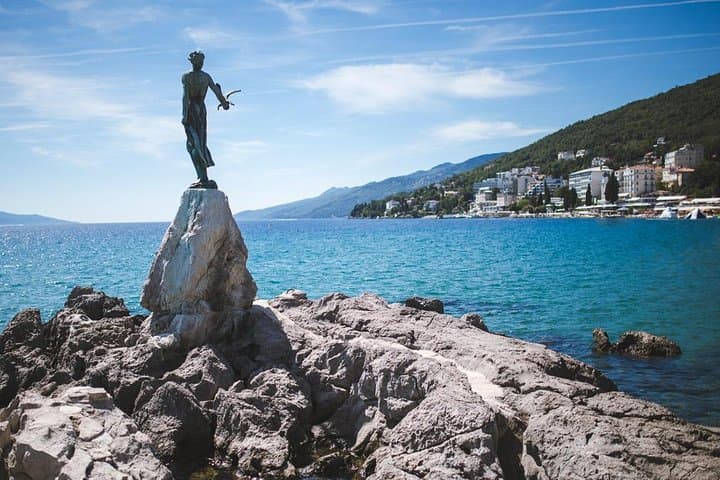
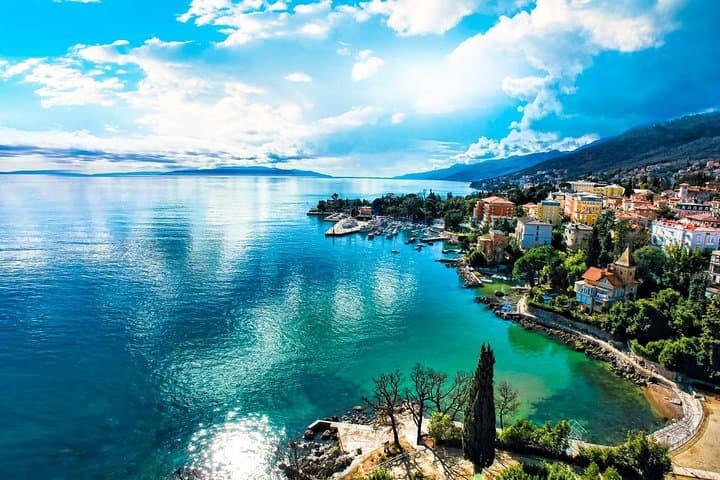
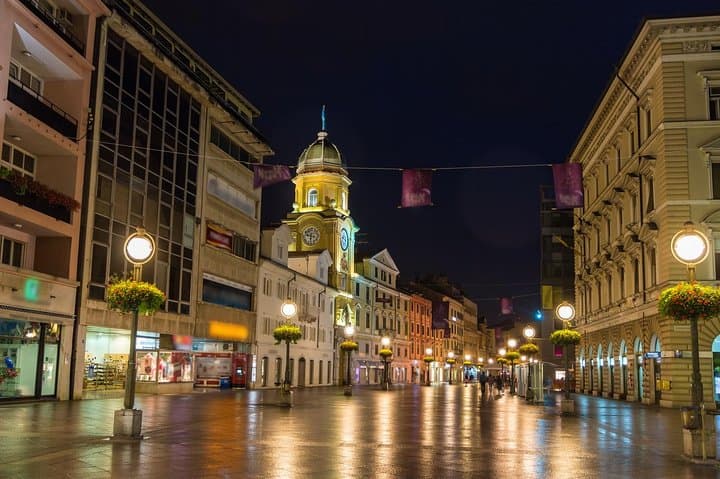
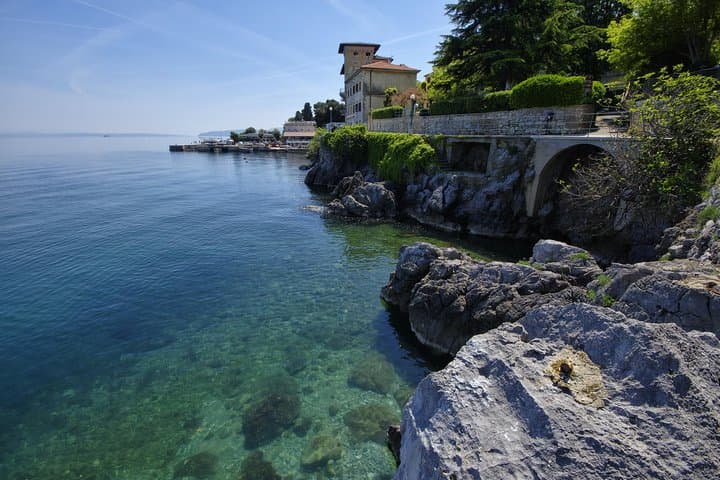
Rijeka, the Adriatic’s major industrial port, shows a different face: Austro-Hungarian architecture, the clock tower of Korzo, and waterfront quays that speak to decades of maritime trade. Drive along to Opatija and the coast changes again — manicured parks, Belle Époque villas, and promenades that gently descend to the Kvarner Bay. Geologically the area sits where limestone uplands meet deep coastal water, creating abrupt shorelines and microclimates that support fragrant maquis and pine woods.
Culturally expect a mix of seafaring history and continental influences — cafés serve robust Croatian coffee and pastries, while seafood reflects Adriatic kitchens.
Practical guidance: the tour runs about seven hours with multiple short walks; wear comfortable walking shoes and a light jacket for breezy coastal conditions. Bring a camera and a reusable bottle; the guide covers logistics and skip-the-line access at key stops, but plan for some on-foot exploration on uneven surfaces. If you prefer a relaxed pace, notify the operator — small-group flexibility often allows tailoring of time in each town.
easy.
7 hours.
Suitable for most fitness levels; expect short urban and hillside walks of up to 1 hour at a time.
The tour includes hotel pickup and drop-off in Zagreb; meet time is typically 9:00 AM at your accommodation.
Yes — the tour is rated easy and appropriate for most ages, but participants should be able to manage short walks and some stairs.
Skip-the-line access is included for scheduled stops noted by the operator, but specific attraction admissions may vary; confirm with the operator at booking.
Guides are flexible and often adjust timing to suit the group’s interests; request preferences when you book or at pickup.
Opatija grew into a seaside resort in the 19th century under Austro-Hungarian influence; Trsat has been a pilgrimage site and strategic lookout since medieval times.
Coastal habitats are sensitive—stay on promenades and marked paths, avoid disturbing marine life, and support local businesses that follow sustainable tourism practices.
Zico Tours operates guided outdoor trips and adventures with an emphasis on safety, stewardship, and memorable experiences.
You pull away from Zagreb in a small, air-conditioned minivan and the city gives way to rolling karst hills and olive-scattered terraces. Within an hour the salt air begins to edge the windows; by mid-morning you’re standing below Trsat Castle, its stone stairways and chapel watching over the Rijeka basin like an old mariner. The guide points out the votive shrine and the stairway of pilgrims — wind and sea have shaped the routes people use here for centuries.
You pull away from Zagreb in a small, air-conditioned minivan and the city gives way to rolling karst hills and olive-scattered terraces. Within an hour the salt air begins to edge the windows; by mid-morning you’re standing below Trsat Castle, its stone stairways and chapel watching over the Rijeka basin like an old mariner. The guide points out the votive shrine and the stairway of pilgrims — wind and sea have shaped the routes people use here for centuries.
Rijeka, the Adriatic’s major industrial port, shows a different face: Austro-Hungarian architecture, the clock tower of Korzo, and waterfront quays that speak to decades of maritime trade. Drive along to Opatija and the coast changes again — manicured parks, Belle Époque villas, and promenades that gently descend to the Kvarner Bay. Geologically the area sits where limestone uplands meet deep coastal water, creating abrupt shorelines and microclimates that support fragrant maquis and pine woods.
Culturally expect a mix of seafaring history and continental influences — cafés serve robust Croatian coffee and pastries, while seafood reflects Adriatic kitchens.
Practical guidance: the tour runs about seven hours with multiple short walks; wear comfortable walking shoes and a light jacket for breezy coastal conditions. Bring a camera and a reusable bottle; the guide covers logistics and skip-the-line access at key stops, but plan for some on-foot exploration on uneven surfaces. If you prefer a relaxed pace, notify the operator — small-group flexibility often allows tailoring of time in each town.