THE ADVENTURE COLLECTIVE® · Independent discovery and booking for outdoor travel

Walk from Ban Jelačić Square through Zagreb’s medieval Kaptol and Gradec neighborhoods to see the Cathedral, Dolac Market, Lotrščak Tower and Tunel Grič. This two-hour guided tour blends history, architecture, and local flavor for a compact city orientation.
Walk from Ban Jelačić Square through Zagreb’s medieval Kaptol and Gradec neighborhoods to see the Cathedral, Dolac Market, Lotrščak Tower and Tunel Grič. This two-hour guided tour blends history, architecture, and local flavor for a compact city orientation.
You step out into Ban Josip Jelačić Square where trams click past and the city opens on every side — baroque facades to the north, the bustle of Dolac Market below. The guide leads you uphill through Gradec’s cobbled lanes; sunlight slants between church towers while the scent of fresh bread and grilled ćevapi drifts from side streets.
Verified experiences and guided adventures in the surrounding area.
Operated by Guydeez · Zagreb, Zagreb
You step out into Ban Josip Jelačić Square where trams click past and the city opens on every side — baroque facades to the north, the bustle of Dolac Market below. The guide leads you uphill through Gradec’s cobbled lanes; sunlight slants between church towers while the scent of fresh bread and grilled ćevapi drifts from side streets.
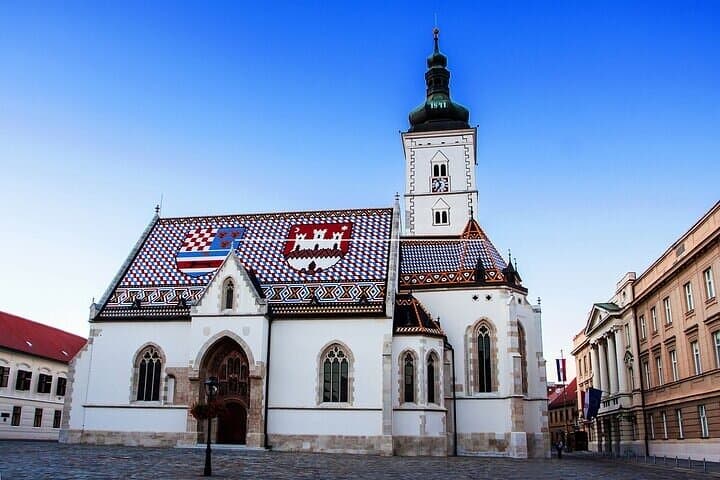
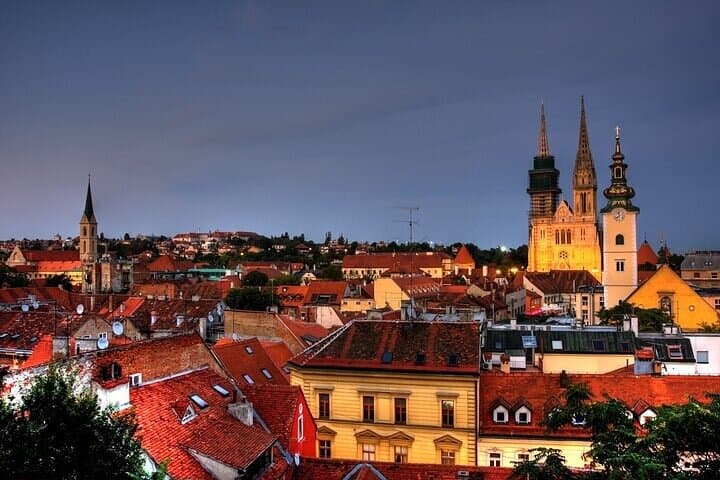
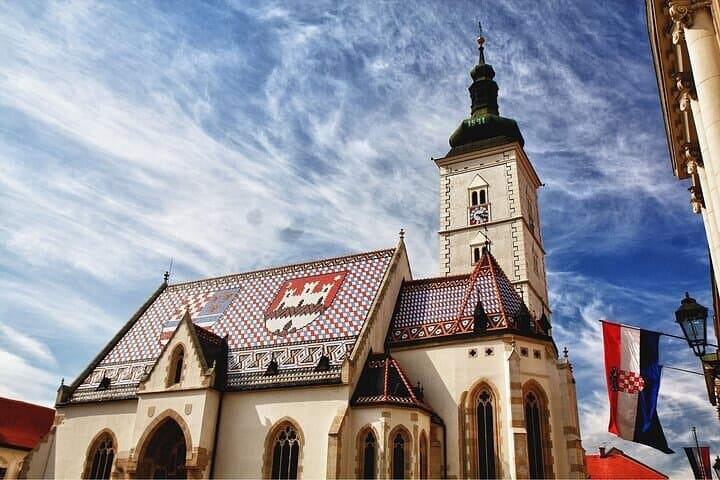
This compact, two-hour walk threads the twin medieval cores of Kaptol and Gradec. Kaptol’s religious precinct grew around the Zagreb Cathedral after medieval bishops fortified the hill; Gradec developed as a civic borough with merchant houses, now home to Tkalčićeva’s cafes. Lotrščak Tower, built to guard the southern gate, still fires its noon cannon — a daily reminder of the city’s layered past. Tunel Grič, a WWII-era thoroughfare repurposed for pedestrians and events, contrasts with the open-air stalls of Dolac where local farmers sell cheese, seasonal fruit, and honey.
Geologically, Zagreb sits on the southern edge of the Pannonian Basin, where low hills meet the Sava River floodplain — the change in elevation gives the Upper Town its best viewpoints. Culturally, expect a city that favors outdoor café life, compact museums, and accessible monuments.
Practical guidance: wear sturdy shoes for cobbles, bring a small water bottle, and schedule the tour mid-morning to catch market activity and daylight on the promenades. The route is mostly paved and suitable for a wide range of fitness levels; be ready for short flights of stone steps and narrow alleys. With a knowledgeable guide, two hours are enough to orient yourself and collect specific recommendations for the rest of your stay.
easy.
2 hours.
Basic urban fitness; able to walk on uneven pavement and short flights of stairs.
The tour lasts about two hours at a relaxed walking pace with stops at major sights and short interpretive talks.
Yes; the route is family-friendly and generally suitable for seniors, though some short stair sections may require extra caution.
No — this is an orientation walk; admissions to inside monuments are typically not included but your guide can advise on tickets.
Most tours meet at Ban Josip Jelačić Square; it’s served by tram lines and centrally located for hotels and hostels.
Zagreb grew from two medieval settlements, Kaptol (ecclesiastical) and Gradec (civic), whose rivalry shaped the Upper Town’s streets and towers.
City initiatives prioritize pedestrian zones and historic preservation; visitors are encouraged to reduce waste at markets and respect protected monuments.
Guydeez operates guided outdoor trips and adventures with an emphasis on safety, stewardship, and memorable experiences.
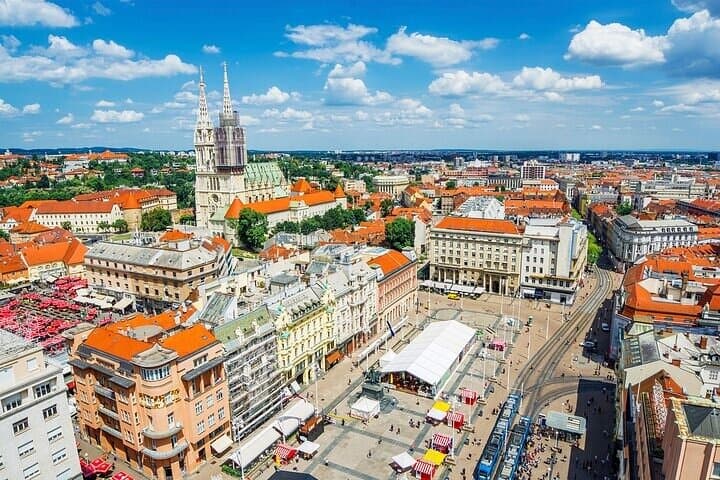
You step out into Ban Josip Jelačić Square where trams click past and the city opens on every side — baroque facades to the north, the bustle of Dolac Market below. The guide leads you uphill through Gradec’s cobbled lanes; sunlight slants between church towers while the scent of fresh bread and grilled ćevapi drifts from side streets.
You step out into Ban Josip Jelačić Square where trams click past and the city opens on every side — baroque facades to the north, the bustle of Dolac Market below. The guide leads you uphill through Gradec’s cobbled lanes; sunlight slants between church towers while the scent of fresh bread and grilled ćevapi drifts from side streets.
This compact, two-hour walk threads the twin medieval cores of Kaptol and Gradec. Kaptol’s religious precinct grew around the Zagreb Cathedral after medieval bishops fortified the hill; Gradec developed as a civic borough with merchant houses, now home to Tkalčićeva’s cafes. Lotrščak Tower, built to guard the southern gate, still fires its noon cannon — a daily reminder of the city’s layered past. Tunel Grič, a WWII-era thoroughfare repurposed for pedestrians and events, contrasts with the open-air stalls of Dolac where local farmers sell cheese, seasonal fruit, and honey.
Geologically, Zagreb sits on the southern edge of the Pannonian Basin, where low hills meet the Sava River floodplain — the change in elevation gives the Upper Town its best viewpoints. Culturally, expect a city that favors outdoor café life, compact museums, and accessible monuments.
Practical guidance: wear sturdy shoes for cobbles, bring a small water bottle, and schedule the tour mid-morning to catch market activity and daylight on the promenades. The route is mostly paved and suitable for a wide range of fitness levels; be ready for short flights of stone steps and narrow alleys. With a knowledgeable guide, two hours are enough to orient yourself and collect specific recommendations for the rest of your stay.