THE ADVENTURE COLLECTIVE® · Independent discovery and booking for outdoor travel

Spend a full day exploring Zagori’s stone villages, the dramatic Vikos Gorge, and century-old single-arch bridges. This guided tour mixes short walks, viewpoints, and cultural stops with private transport for an accessible but immersive alpine experience.
Spend a full day exploring Zagori’s stone villages, the dramatic Vikos Gorge, and century-old single-arch bridges. This guided tour mixes short walks, viewpoints, and cultural stops with private transport for an accessible but immersive alpine experience.
Morning light slices across slate roofs as the van climbs into the Pindus foothills and the stones that built Zagori's villages begin to appear — houses, churches and bridges all quarried from the same gray rock. The guide eases the group into a rhythm of short walks and viewpoint stops: Megalo and Mikro Papigo’s compact lanes, the Rogovos natural pools sparkling beside the road, and Papigko bridge arcing over the crystalline Voidomatis River.
Verified experiences and guided adventures in the surrounding area.
Operated by Epirus Traveller · Ioannina, Epirus
Morning light slices across slate roofs as the van climbs into the Pindus foothills and the stones that built Zagori's villages begin to appear — houses, churches and bridges all quarried from the same gray rock. The guide eases the group into a rhythm of short walks and viewpoint stops: Megalo and Mikro Papigo’s compact lanes, the Rogovos natural pools sparkling beside the road, and Papigko bridge arcing over the crystalline Voidomatis River.
Geology here is blunt and immediate. Vikos Gorge cuts through limestone and stratified sandstone, exposing pancake-like layers and sheer cliffs that tell of an active, uplifted landscape. Culturally, Zagori preserves a village system developed under Ottoman rule; stone craftsmanship and single-arch Ottoman-era bridges remain practical architecture and living history.
Expect close-up encounters with riparian habitats and highland scrub: griffon vultures circling thermals, river trout in cold currents, and roadside walnut trees shading cobbled streets. The guide points out the monument to the women of Pindos and explains local handicraft traditions.
Practically, this is a full-day, mostly vehicle-supported excursion with multiple short, mostly easy walks and lookout pauses. Wear sturdy shoes for uneven cobbles and riverbanks, pack a layered jacket for sudden mountain breeze, and bring a refillable water bottle; bottled water is provided. Photography windows are frequent but time-limited at each stop — plan one or two key frames. For summer swimming in the natural pools, remember the river runs cold year-round. Cancelations are weather-dependent; book with flexible timing to get the best light and the clearest views.
easy.
6–8 hours.
Suitable for most fitness levels; mostly vehicle-based with short, mostly flat to moderate walks
The tour runs about 6–8 hours and includes private transport, bottled water, an experienced guide, fees and photographic/video material as noted in the itinerary.
Yes — the tour is described as suitable for all fitness levels; most stops require only short, easy walks but some cobbled or uneven sections exist.
Yes, swimming is possible in summer, but the Voidomatis and other mountain pools remain very cold (often 4–12°C), so brief dips are common rather than long swims.
The operator may cancel for bad weather; for a full refund cancel at least 24 hours before departure per the listed policy.
Zagori’s clustered villages and single-arch bridges date to Ottoman-era regional administration when local stone masonry flourished; many villages retain 18th–19th century architecture.
Vikos–Aoos is protected as a national geopark — stick to marked paths, avoid disturbing riverbanks, and support local businesses to help maintain traditional landscapes.
Epirus Traveller operates guided outdoor trips and adventures with an emphasis on safety, stewardship, and memorable experiences.
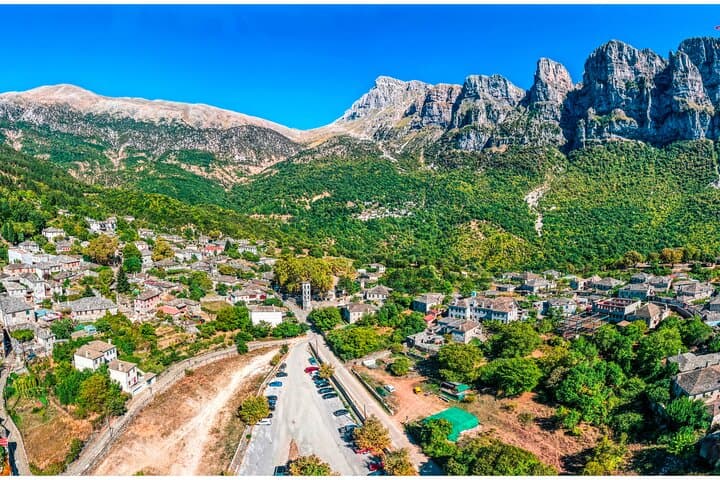
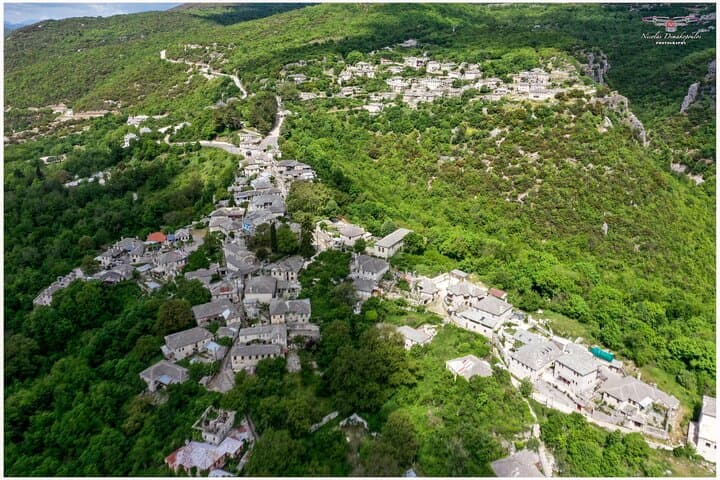
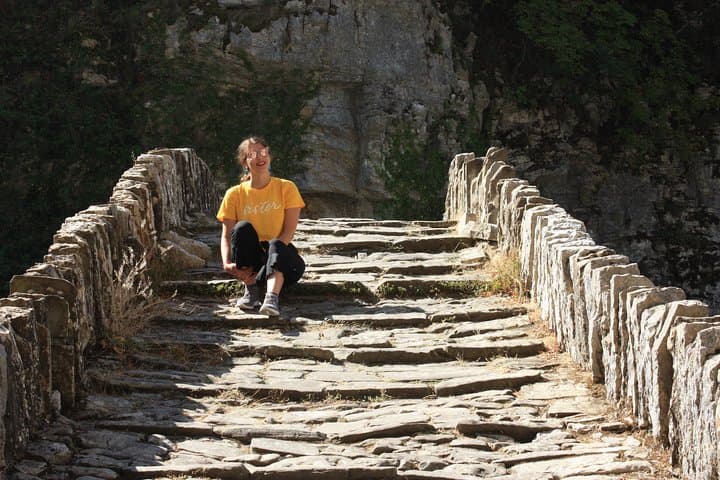
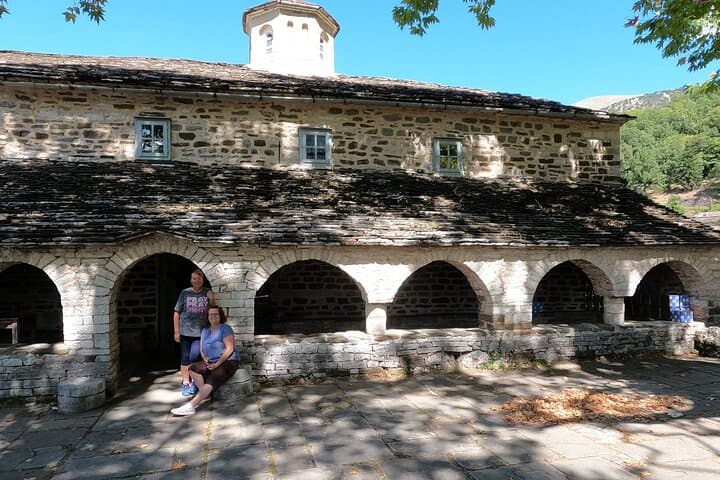
Morning light slices across slate roofs as the van climbs into the Pindus foothills and the stones that built Zagori's villages begin to appear — houses, churches and bridges all quarried from the same gray rock. The guide eases the group into a rhythm of short walks and viewpoint stops: Megalo and Mikro Papigo’s compact lanes, the Rogovos natural pools sparkling beside the road, and Papigko bridge arcing over the crystalline Voidomatis River.
Morning light slices across slate roofs as the van climbs into the Pindus foothills and the stones that built Zagori's villages begin to appear — houses, churches and bridges all quarried from the same gray rock. The guide eases the group into a rhythm of short walks and viewpoint stops: Megalo and Mikro Papigo’s compact lanes, the Rogovos natural pools sparkling beside the road, and Papigko bridge arcing over the crystalline Voidomatis River.
Geology here is blunt and immediate. Vikos Gorge cuts through limestone and stratified sandstone, exposing pancake-like layers and sheer cliffs that tell of an active, uplifted landscape. Culturally, Zagori preserves a village system developed under Ottoman rule; stone craftsmanship and single-arch Ottoman-era bridges remain practical architecture and living history.
Expect close-up encounters with riparian habitats and highland scrub: griffon vultures circling thermals, river trout in cold currents, and roadside walnut trees shading cobbled streets. The guide points out the monument to the women of Pindos and explains local handicraft traditions.
Practically, this is a full-day, mostly vehicle-supported excursion with multiple short, mostly easy walks and lookout pauses. Wear sturdy shoes for uneven cobbles and riverbanks, pack a layered jacket for sudden mountain breeze, and bring a refillable water bottle; bottled water is provided. Photography windows are frequent but time-limited at each stop — plan one or two key frames. For summer swimming in the natural pools, remember the river runs cold year-round. Cancelations are weather-dependent; book with flexible timing to get the best light and the clearest views.