THE ADVENTURE COLLECTIVE® · Independent discovery and booking for outdoor travel

A fast-paced overnight into the Zagora dunes from Marrakech: palm-lined valleys, a camel ride, an open-air camp and sunrise over sand. This two-day circuit packs cultural stops and desert time into a brief, doable adventure.
A fast-paced overnight into the Zagora dunes from Marrakech: palm-lined valleys, a camel ride, an open-air camp and sunrise over sand. This two-day circuit packs cultural stops and desert time into a brief, doable adventure.
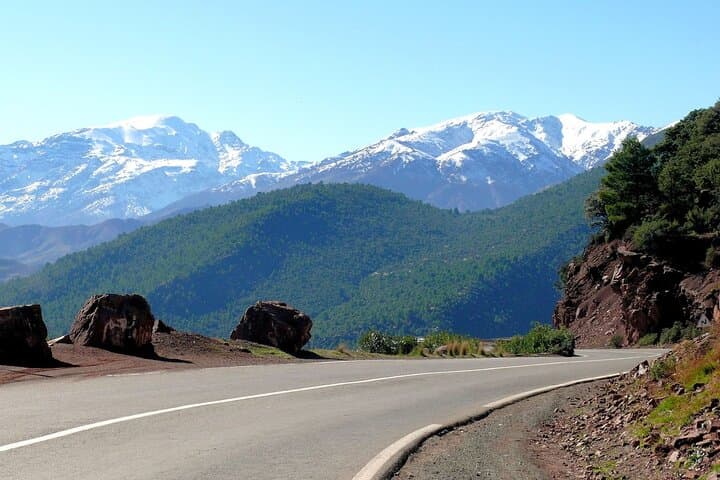
The sun drops low on the road from Marrakech and the Atlas Mountains peel away, revealing a long ribbon of ochre that leads to Zagora. By late afternoon the Draa Valley appears—palm groves like lines of sentinels and mud-brick kasbahs clinging to the riverbanks—before the landscape eases into open desert and rolling dunes that dare you to keep walking.
Verified experiences and guided adventures in the surrounding area.
Operated by Maaffar travel agency Morocco · Zagora, Drâa-Tafilalet
The sun drops low on the road from Marrakech and the Atlas Mountains peel away, revealing a long ribbon of ochre that leads to Zagora. By late afternoon the Draa Valley appears—palm groves like lines of sentinels and mud-brick kasbahs clinging to the riverbanks—before the landscape eases into open desert and rolling dunes that dare you to keep walking.
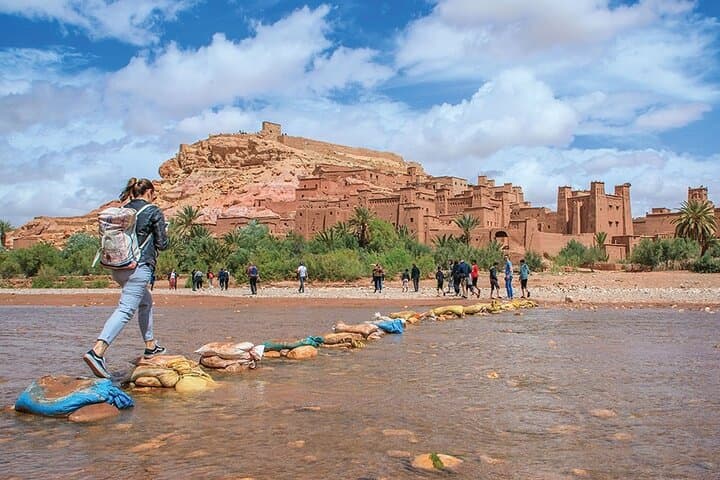
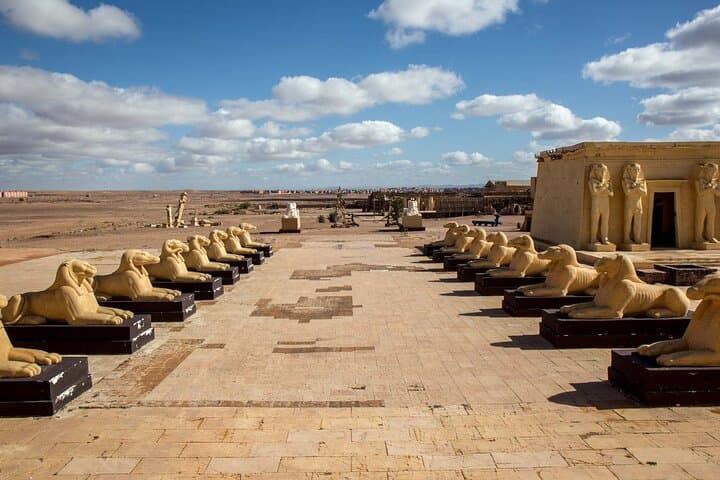
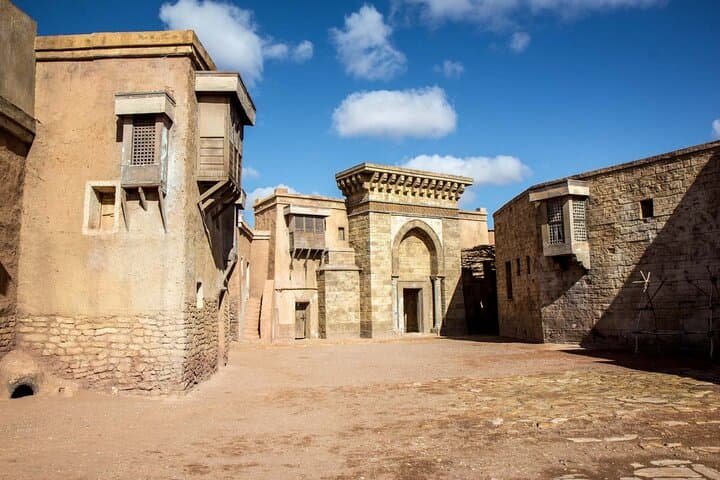
This compact overnight circuit threads history and geology together: the Draa was once a caravan artery, its date palms fed by the river’s shallow channels; nearby Ait Benhaddou is a fortified ksar with stone-faced homes that show the practical artistry of builders who matched form to climate. Cultural life here is measured in shared meals, date harvests and Berber hospitality; modern filmmakers have also used the area’s light and terrain to stage epic scenes.
Practically, expect long vehicle transfers (Marrakech → Ouarzazate → Zagora), a short camel ride into the dunes and an overnight camp under open sky. Temperatures swing—hot days, sharp nights—so pack layers. Footing ranges from paved roads to loose sand and compact trails around palm groves. Bring water, sun protection and a headlamp for the camp. Cameras catch the ramped shadows of dunes at sunrise; quiet moments reward early risers.
This mini-circuit is ideal for travelers with limited time who want a genuine Sahara experience: cultural stops, a camel ride, a simple desert camp and a sunrise that justifies the early wake-up call.
moderate.
2 days (approx. 48 hours).
Light to moderate fitness; able to handle short walks on sand and long vehicle transfers.
Expect roughly 7–9 hours of combined driving with stops, depending on traffic and which route is taken via Ouarzazate and the Draa Valley.
Short camel rides (about 1–1.5 hours) are typically suitable for most people, but not recommended for those with serious back or heart problems; ask about specialized seating for infants.
Camps are basic to comfortable—canvas tents with sleeping mats or simple beds, communal dining and shared facilities; amenities vary by operator.
Dinner and breakfast are included on the itinerary; lunches during transfers are usually not included and are arranged at local stops.
The Draa Valley was a historic caravan route linking sub-Saharan Africa and North Africa; Ait Benhaddou developed as a fortified trading settlement and later became a famous film location.
The Sahara’s fragile soils and scarce water make leave-no-trace practices essential—minimize plastic, respect local grazing areas and follow guide instructions to protect oases.
Maaffar travel agency Morocco operates guided outdoor trips and adventures with an emphasis on safety, stewardship, and memorable experiences.
The sun drops low on the road from Marrakech and the Atlas Mountains peel away, revealing a long ribbon of ochre that leads to Zagora. By late afternoon the Draa Valley appears—palm groves like lines of sentinels and mud-brick kasbahs clinging to the riverbanks—before the landscape eases into open desert and rolling dunes that dare you to keep walking.
The sun drops low on the road from Marrakech and the Atlas Mountains peel away, revealing a long ribbon of ochre that leads to Zagora. By late afternoon the Draa Valley appears—palm groves like lines of sentinels and mud-brick kasbahs clinging to the riverbanks—before the landscape eases into open desert and rolling dunes that dare you to keep walking.
This compact overnight circuit threads history and geology together: the Draa was once a caravan artery, its date palms fed by the river’s shallow channels; nearby Ait Benhaddou is a fortified ksar with stone-faced homes that show the practical artistry of builders who matched form to climate. Cultural life here is measured in shared meals, date harvests and Berber hospitality; modern filmmakers have also used the area’s light and terrain to stage epic scenes.
Practically, expect long vehicle transfers (Marrakech → Ouarzazate → Zagora), a short camel ride into the dunes and an overnight camp under open sky. Temperatures swing—hot days, sharp nights—so pack layers. Footing ranges from paved roads to loose sand and compact trails around palm groves. Bring water, sun protection and a headlamp for the camp. Cameras catch the ramped shadows of dunes at sunrise; quiet moments reward early risers.
This mini-circuit is ideal for travelers with limited time who want a genuine Sahara experience: cultural stops, a camel ride, a simple desert camp and a sunrise that justifies the early wake-up call.