THE ADVENTURE COLLECTIVE® · Independent discovery and booking for outdoor travel

Spend a night under clear desert skies after a camel ride into the Zagora dunes. This two-day tour combines Atlas mountain passes, UNESCO kasbahs, and a traditional bivouac with cultural stops in Tamgroute and Ouarzazate.
Spend a night under clear desert skies after a camel ride into the Zagora dunes. This two-day tour combines Atlas mountain passes, UNESCO kasbahs, and a traditional bivouac with cultural stops in Tamgroute and Ouarzazate.
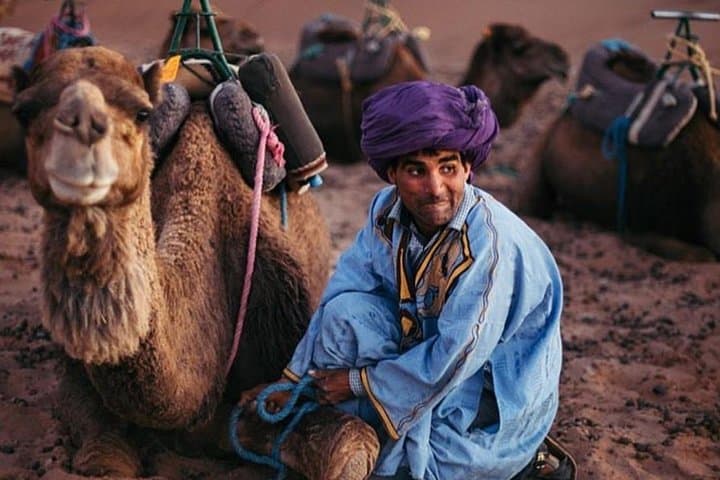
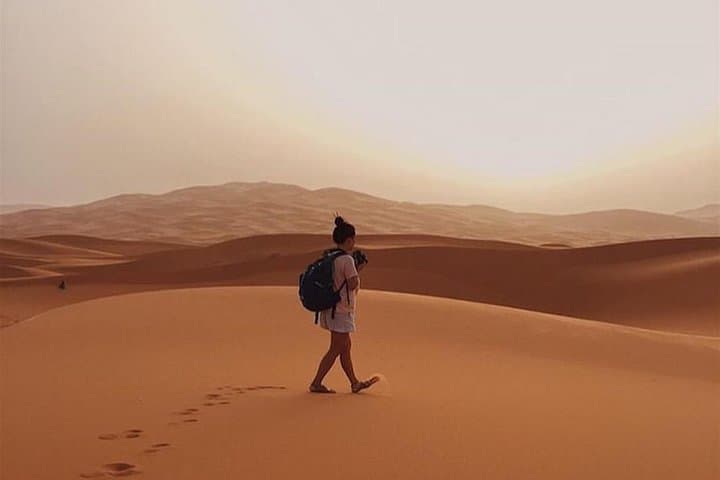
The sun slides low and the dunes sharpen into long, clean ridges as your camel caravan moves away from Zagora’s palm-lined edge. Sand shifts under slow, patient footsteps; the camp lanterns start to glow and the air cools enough to make the first cup of mint tea taste like a small victory.
Verified experiences and guided adventures in the surrounding area.
Operated by Morocco Travelogue · Zagora, Drâa-Tafilalet
The sun slides low and the dunes sharpen into long, clean ridges as your camel caravan moves away from Zagora’s palm-lined edge. Sand shifts under slow, patient footsteps; the camp lanterns start to glow and the air cools enough to make the first cup of mint tea taste like a small victory.
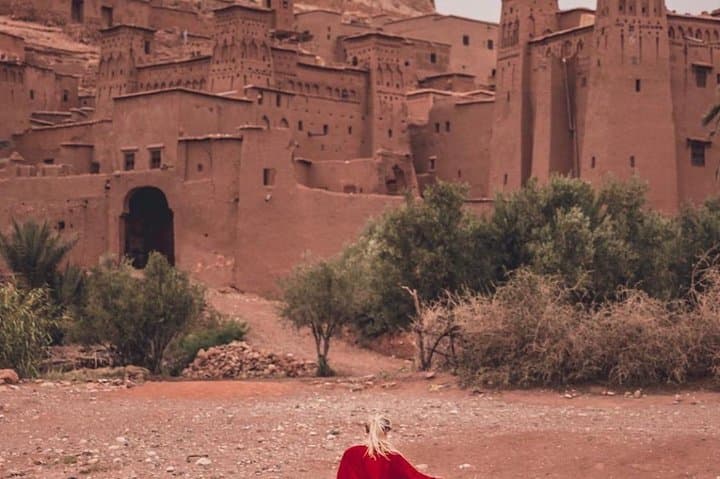
This two-day loop follows the southern flank of the High Atlas, through the Draa Valley’s palm oases and past Ait Ben Haddou, a UNESCO kasbah where mudbrick towers recall centuries of trans-Saharan caravans. Geologically the region is a margin between rocky Atlas ranges and the Saharan erg—wind-sculpted dunes that migrate with seasonal storms. Culturally, Tamgroute’s Koranic library and pottery workshops offer a window into the area’s religious and craft traditions tied to caravan trade.
Expect a relaxed pace: a morning pickup from Marrakech (or starting in Zagora if you prefer), a day of scenic driving with short stops, a late-afternoon camel ride into the camp, dinner and live folk music under the stars, and sunrise back on the dunes before the return drive. Camps typically provide mattresses, blankets, and simple sanitary facilities; luxury options add private tents and hot water.
Practical tips: pack layered clothing for hot days and chilly nights, carry at least 2 liters of water for daytime travel, and protect skin and eyes from wind-blown sand. If you have limited mobility, confirm accessibility options ahead. This trip balances cultural stops with an unhurried desert experience—ideal for travelers who want immersion without technical trekking.
easy.
2 days (approx. 48 hours).
Suitable for most fitness levels; involves short camel rides and light walking at stops.
No—camel rides on this route are short and guided; staff assist with mounting and dismounting and provide basic instruction.
Most itineraries pick up in Marrakech and return there; some options begin from or end in Zagora—confirm pickup point when booking.
Camps range from basic bivouacs with shared facilities to luxury tents with mattresses and private amenities—check the selected option for details.
The tour is described as physically easy, but it is not recommended for travelers with serious spinal or heart issues; infants may be required to sit on laps during transport.
The route follows old caravan corridors; Ait Ben Haddou and Tamgroute reflect centuries of trans-Saharan trade and Islamic scholarship.
The desert ecosystem is fragile—limit campfire size, avoid off-track driving on dunes, and carry out waste; support local guides and cooperatives to sustain cultural heritage.
Morocco Travelogue operates guided outdoor trips and adventures with an emphasis on safety, stewardship, and memorable experiences.
The sun slides low and the dunes sharpen into long, clean ridges as your camel caravan moves away from Zagora’s palm-lined edge. Sand shifts under slow, patient footsteps; the camp lanterns start to glow and the air cools enough to make the first cup of mint tea taste like a small victory.
The sun slides low and the dunes sharpen into long, clean ridges as your camel caravan moves away from Zagora’s palm-lined edge. Sand shifts under slow, patient footsteps; the camp lanterns start to glow and the air cools enough to make the first cup of mint tea taste like a small victory.
This two-day loop follows the southern flank of the High Atlas, through the Draa Valley’s palm oases and past Ait Ben Haddou, a UNESCO kasbah where mudbrick towers recall centuries of trans-Saharan caravans. Geologically the region is a margin between rocky Atlas ranges and the Saharan erg—wind-sculpted dunes that migrate with seasonal storms. Culturally, Tamgroute’s Koranic library and pottery workshops offer a window into the area’s religious and craft traditions tied to caravan trade.
Expect a relaxed pace: a morning pickup from Marrakech (or starting in Zagora if you prefer), a day of scenic driving with short stops, a late-afternoon camel ride into the camp, dinner and live folk music under the stars, and sunrise back on the dunes before the return drive. Camps typically provide mattresses, blankets, and simple sanitary facilities; luxury options add private tents and hot water.
Practical tips: pack layered clothing for hot days and chilly nights, carry at least 2 liters of water for daytime travel, and protect skin and eyes from wind-blown sand. If you have limited mobility, confirm accessibility options ahead. This trip balances cultural stops with an unhurried desert experience—ideal for travelers who want immersion without technical trekking.