THE ADVENTURE COLLECTIVE® · Independent discovery and booking for outdoor travel

Travel from Marrakech over the High Atlas into the Draa Valley, spend a night in a desert bivouac and ride camels at sunset on this private 2-day Zagora excursion. Expect long drives, dramatic light, and a hands-on introduction to southern Moroccan desert life.
Travel from Marrakech over the High Atlas into the Draa Valley, spend a night in a desert bivouac and ride camels at sunset on this private 2-day Zagora excursion. Expect long drives, dramatic light, and a hands-on introduction to southern Moroccan desert life.
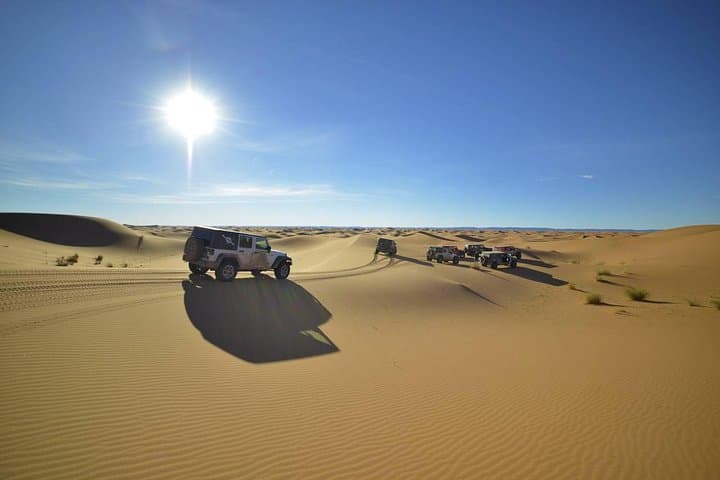
You leave Marrakech before dawn, tires whispering through the Atlas foothills while the rising sun paints ochre and ocher-red across road-cut valleys. By late afternoon the road opens into the long, low spine of the Draa Valley and the dunes of Zagora beckon—a stretch of sand that dares you to slow down and listen.
Verified experiences and guided adventures in the surrounding area.
Operated by Morocco Tours Services · Zagora, Drâa-Tafilalet
You leave Marrakech before dawn, tires whispering through the Atlas foothills while the rising sun paints ochre and ocher-red across road-cut valleys. By late afternoon the road opens into the long, low spine of the Draa Valley and the dunes of Zagora beckon—a stretch of sand that dares you to slow down and listen.
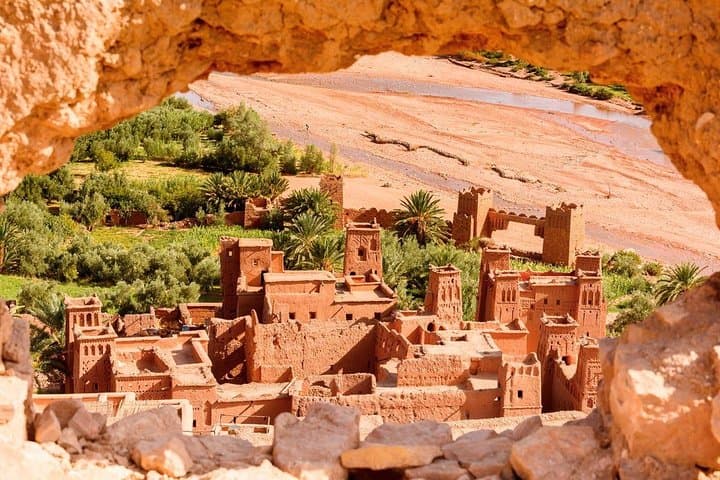
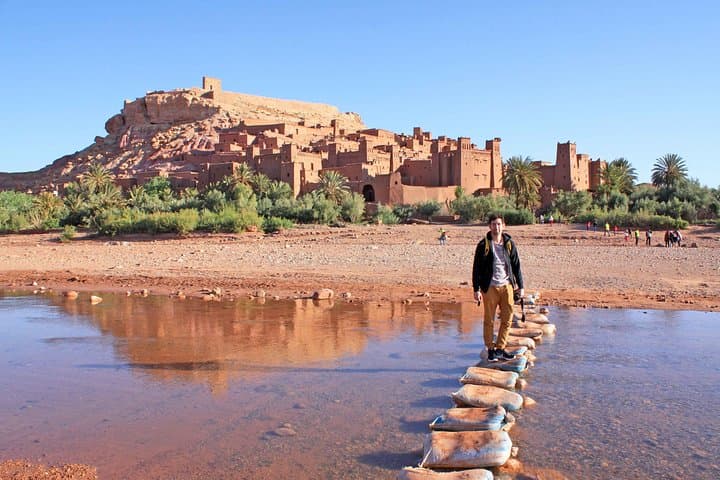
The route traces ancient caravan corridors: kasbahs like Aït Benhaddou and Taourirt mark the edges of medieval trade routes that funneled salt and dates toward the Atlantic. Geologically, the region shifts from folded Atlas bedrock to alluvial plains and finally to wind-sculpted dunes where sand grains tell a long, migratory story. Local Berber communities maintain pottery and palm-grove agriculture in pockets along the Draa—small cultural anchors amid wide desert sky.
Expect a 6–8 hour drive the first day with stops at high mountain passes (~2,260 m), a guided visit of a kasbah, then a late-afternoon 1.5–2 hour camel ride into the Zagora dunes to reach a desert bivouac. Nights are cold and clear; mornings reward early-risers with pale-gold sunrises over rippled sand.
Practical side: pack layered clothing for big temperature swings, bring 2–3 liters of water, and wear shoes suitable for sand and short hikes. Cameras and spare batteries are a must—the changing light is relentless. Because this is a private transfer, the schedule is flexible but expect long stretches in the vehicle. Book transport and bivouac with a guide to support local providers and minimize your footprint in this fragile environment.
moderate.
2 days.
Suitable for travelers in regular physical condition who can sit on a camel for up to 2 hours and handle short sandy walks.
The typical camel trek into the Zagora dunes is about 1.5–2 hours each way, timed for sunset and sunrise on most itineraries.
Yes—this private tour is marketed as family-friendly and suitable for most fitness levels, though camel comfort and night temperatures should be considered.
You’ll spend a night in a standard desert bivouac or camp with basic sleeping arrangements, dinner and breakfast provided; facilities are simple but comfortable.
Most nationalities do not need special permits for tourist travel in Morocco beyond a valid passport and any visa required for entry into the country; check national visa rules before travel.
The Draa Valley and Zagora were once margins of Saharan caravan routes; nearby kasbahs like Aït Benhaddou guarded routes that connected sub-Saharan trade with Atlantic ports.
Water is scarce and dune ecosystems are fragile—use established tracks, avoid disturbing plants and wildlife, and support local guides and camps that minimize waste.
Morocco Tours Services operates guided outdoor trips and adventures with an emphasis on safety, stewardship, and memorable experiences.
You leave Marrakech before dawn, tires whispering through the Atlas foothills while the rising sun paints ochre and ocher-red across road-cut valleys. By late afternoon the road opens into the long, low spine of the Draa Valley and the dunes of Zagora beckon—a stretch of sand that dares you to slow down and listen.
You leave Marrakech before dawn, tires whispering through the Atlas foothills while the rising sun paints ochre and ocher-red across road-cut valleys. By late afternoon the road opens into the long, low spine of the Draa Valley and the dunes of Zagora beckon—a stretch of sand that dares you to slow down and listen.
The route traces ancient caravan corridors: kasbahs like Aït Benhaddou and Taourirt mark the edges of medieval trade routes that funneled salt and dates toward the Atlantic. Geologically, the region shifts from folded Atlas bedrock to alluvial plains and finally to wind-sculpted dunes where sand grains tell a long, migratory story. Local Berber communities maintain pottery and palm-grove agriculture in pockets along the Draa—small cultural anchors amid wide desert sky.
Expect a 6–8 hour drive the first day with stops at high mountain passes (~2,260 m), a guided visit of a kasbah, then a late-afternoon 1.5–2 hour camel ride into the Zagora dunes to reach a desert bivouac. Nights are cold and clear; mornings reward early-risers with pale-gold sunrises over rippled sand.
Practical side: pack layered clothing for big temperature swings, bring 2–3 liters of water, and wear shoes suitable for sand and short hikes. Cameras and spare batteries are a must—the changing light is relentless. Because this is a private transfer, the schedule is flexible but expect long stretches in the vehicle. Book transport and bivouac with a guide to support local providers and minimize your footprint in this fragile environment.