THE ADVENTURE COLLECTIVE® · Independent discovery and booking for outdoor travel

Cross the High Atlas into the Draa Valley, ride camels across Tinfou’s wind-sculpted dunes and sleep in a traditional desert camp. This private 2-day trip from Marrakech blends driving, cultural stops and a quiet night beneath the stars.
Cross the High Atlas into the Draa Valley, ride camels across Tinfou’s wind-sculpted dunes and sleep in a traditional desert camp. This private 2-day trip from Marrakech blends driving, cultural stops and a quiet night beneath the stars.
You leave Marrakech before dawn, the minivan threading up toward Tizi n'Tichka as the High Atlas carves the horizon into serrated ridgelines. The road climbs to roughly 2,260 m, then eases down through ochre kasbahs and olive terraces until palms and red sand appear. By late afternoon you stand at the edge of the Tinfou dunes—grains that shift like slow water—mount a camel and let the animal’s steady gait push you toward a desert camp.
Verified experiences and guided adventures in the surrounding area.
Operated by Marrakech First Trip · Zagora, Drâa-Tafilalet
You leave Marrakech before dawn, the minivan threading up toward Tizi n'Tichka as the High Atlas carves the horizon into serrated ridgelines. The road climbs to roughly 2,260 m, then eases down through ochre kasbahs and olive terraces until palms and red sand appear. By late afternoon you stand at the edge of the Tinfou dunes—grains that shift like slow water—mount a camel and let the animal’s steady gait push you toward a desert camp.
This route follows centuries of trans-Saharan movement: the Draa Valley’s palm groves mark where water once guided caravans and Ait Ben Haddou’s ksar, a UNESCO site, preserves mudbrick architecture used as backdrop in international films. Geologically, the High Atlas supplies sediment that wind sorts into dunes while the Draa’s seasonal floodplain feeds the oases. Culturally, Berber villages and Ouarzazate’s film studios reflect a blend of local life and modern storytelling.
Expect about 48 hours on a private tour with long drives (Marrakech to Zagora ~350–400 km with stops), a short camel trek at sunset, and one night under canvas with dinner and local music. Camps are simple—blankets, low beds, communal dining—and temperatures swing rapidly; dunes radiate heat by day and lose it fast after sunset. Bring layered clothing, sun protection, a small daypack, cash for tips, and a sense of patience for bumpy roads. Plan sunrise or sunset for the best light, and carry water during the trek; the desert will test your rhythm but reward it with clean air and an enormous sky.
easy.
2 days (approx. 48 hours).
Suitable for travelers in average fitness—able to mount a camel, stand and walk short stretches on sand.
The camel trek to the Tinfou dunes typically lasts 1–2 hours each way and is a short, gentle ride suitable for first-timers.
No prior experience required; camps provide basic bedding and meals, and guides handle setup and logistics.
Children can join but must be accompanied by an adult; instruct the operator when booking so appropriate seating and safety measures are arranged.
Yes—vegetarian options and other dietary needs can be met if advised at booking time.
Ait Ben Haddou and surrounding ksars grew along trans-Saharan trade routes; many structures date to medieval times and were built from local mud-brick techniques.
The dune environment is fragile—avoid driving on dunes, pack out waste, and support guides who follow low-impact camping practices to protect scarce water resources.
Marrakech First Trip operates guided outdoor trips and adventures with an emphasis on safety, stewardship, and memorable experiences.


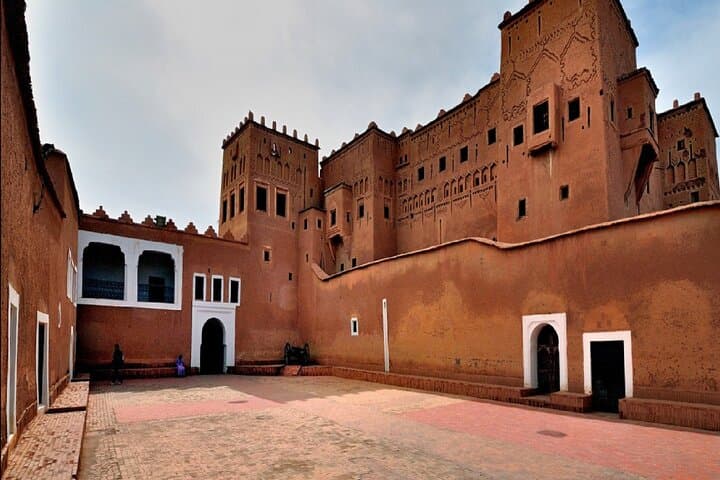

You leave Marrakech before dawn, the minivan threading up toward Tizi n'Tichka as the High Atlas carves the horizon into serrated ridgelines. The road climbs to roughly 2,260 m, then eases down through ochre kasbahs and olive terraces until palms and red sand appear. By late afternoon you stand at the edge of the Tinfou dunes—grains that shift like slow water—mount a camel and let the animal’s steady gait push you toward a desert camp.
You leave Marrakech before dawn, the minivan threading up toward Tizi n'Tichka as the High Atlas carves the horizon into serrated ridgelines. The road climbs to roughly 2,260 m, then eases down through ochre kasbahs and olive terraces until palms and red sand appear. By late afternoon you stand at the edge of the Tinfou dunes—grains that shift like slow water—mount a camel and let the animal’s steady gait push you toward a desert camp.
This route follows centuries of trans-Saharan movement: the Draa Valley’s palm groves mark where water once guided caravans and Ait Ben Haddou’s ksar, a UNESCO site, preserves mudbrick architecture used as backdrop in international films. Geologically, the High Atlas supplies sediment that wind sorts into dunes while the Draa’s seasonal floodplain feeds the oases. Culturally, Berber villages and Ouarzazate’s film studios reflect a blend of local life and modern storytelling.
Expect about 48 hours on a private tour with long drives (Marrakech to Zagora ~350–400 km with stops), a short camel trek at sunset, and one night under canvas with dinner and local music. Camps are simple—blankets, low beds, communal dining—and temperatures swing rapidly; dunes radiate heat by day and lose it fast after sunset. Bring layered clothing, sun protection, a small daypack, cash for tips, and a sense of patience for bumpy roads. Plan sunrise or sunset for the best light, and carry water during the trek; the desert will test your rhythm but reward it with clean air and an enormous sky.