THE ADVENTURE COLLECTIVE® · Independent discovery and booking for outdoor travel

Leave Marrakech for a compact desert immersion: drive the High Atlas, visit Ait Ben Haddou, ride camels at sunset and sleep in a Berber tent. This 2-day trip balances long road travel with a memorable night under star-swept desert skies.
Leave Marrakech for a compact desert immersion: drive the High Atlas, visit Ait Ben Haddou, ride camels at sunset and sleep in a Berber tent. This 2-day trip balances long road travel with a memorable night under star-swept desert skies.
Dawn in the Sahara arrives slow and deliberate — a violet smear that brightens the sand into gold while camels shift and low voices carry across the camp.
Verified experiences and guided adventures in the surrounding area.
Operated by Merzouga Dunes · Zagora, Drâa-Tafilalet
Dawn in the Sahara arrives slow and deliberate — a violet smear that brightens the sand into gold while camels shift and low voices carry across the camp.
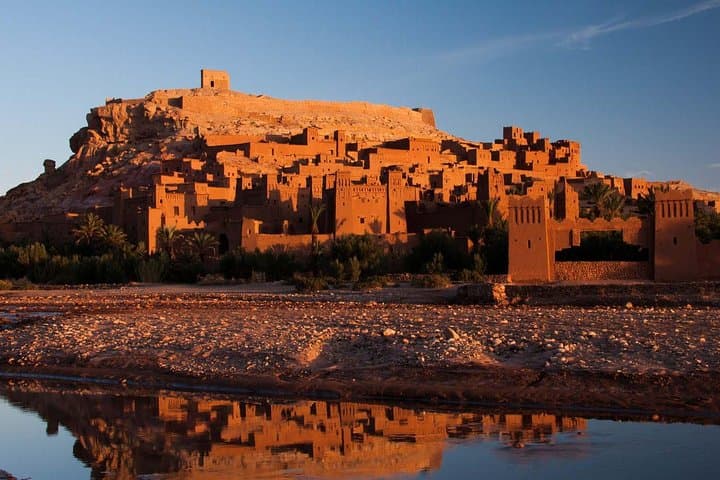
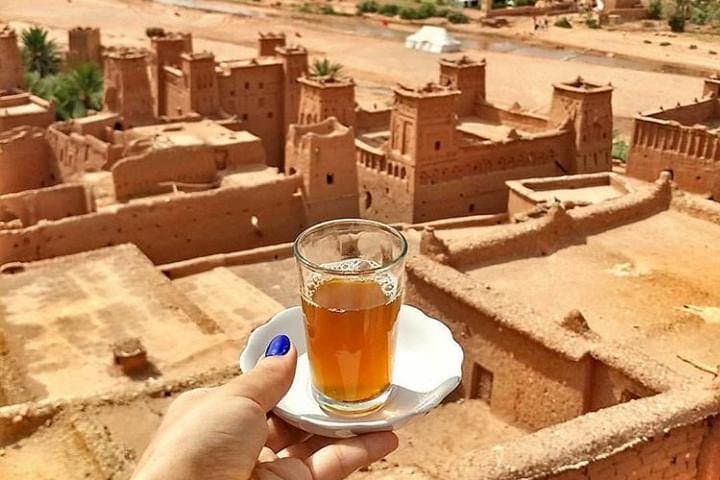
This two-day route leaves Marrakech before sunrise, climbs the High Atlas via the Tizi-n-Tichka pass, then eases down through the Anti-Atlas into the Draâ Valley where palms mark the last green before Zagora’s dunes. Travelers visit Ait Ben Haddou and Taourirt Kasbah—mud-brick fortresses that once watched caravan traffic along trans-Saharan routes. Geologically, the landscape is folded Atlas ranges giving way to ancient alluvial plains and wind-sculpted dunes; cultural layers are equally visible in Berber villages, ksars, and the pottery of nearby Tamegroute.
Overnighting in a traditional Berber tent is straightforward: a sunset camel ride, shared tajine dinner, drum music and a cold desert night that can dip sharply. Sunrise returns riders to Zagora for the drive back via Ouarzazate, with time for the Atlas Studios or local kasbahs.
Practical notes: expect long driving days on paved and rough roads, short camel rides over sand, and basic camp facilities. Pack sun protection, a warm layer for night, comfortable boots for short walks, and a refillable water system. Plan for early starts, and leave fragile plants and archaeological sites alone. This trip suits travelers who want a compact desert immersion without multi-day trekking — it is immersive, largely accessible, and rich in landscape and cultural contrasts.
moderate.
2 days (approx. 48 hours).
Suitable for travelers in average fitness—able to mount camels, walk short dunes, and endure long vehicle transfers.
Camel rides are short and gentle—saddles are stable and guides assist mounting; basic mobility is sufficient.
Yes; most bookings allow leaving larger luggage at your riad or hotel, with a small overnight bag taken to camp.
Camps provide simple facilities—shared or private tents vary by operator; expect basic, clean amenities and hot dinner/tea.
Signal is intermittent; some camps offer solar charging or limited electricity but plan for low connectivity.
This corridor linked trans-Saharan caravan routes; kasbahs and ksars protected trade in salt, dates and textiles for centuries.
The desert is ecologically fragile—stick to established tracks, avoid collecting plants or wood, and pack out waste where possible.
Merzouga Dunes operates guided outdoor trips and adventures with an emphasis on safety, stewardship, and memorable experiences.
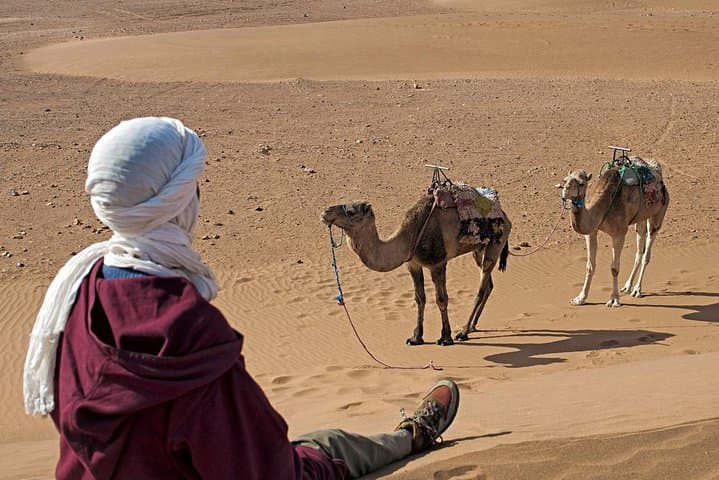
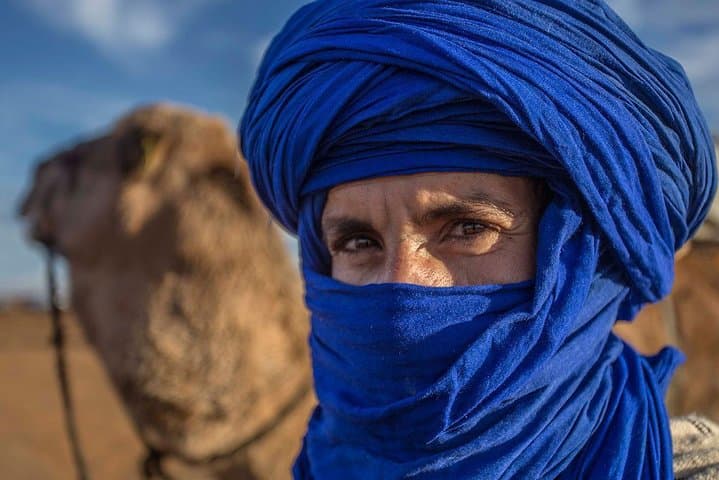
Dawn in the Sahara arrives slow and deliberate — a violet smear that brightens the sand into gold while camels shift and low voices carry across the camp.
Dawn in the Sahara arrives slow and deliberate — a violet smear that brightens the sand into gold while camels shift and low voices carry across the camp.
This two-day route leaves Marrakech before sunrise, climbs the High Atlas via the Tizi-n-Tichka pass, then eases down through the Anti-Atlas into the Draâ Valley where palms mark the last green before Zagora’s dunes. Travelers visit Ait Ben Haddou and Taourirt Kasbah—mud-brick fortresses that once watched caravan traffic along trans-Saharan routes. Geologically, the landscape is folded Atlas ranges giving way to ancient alluvial plains and wind-sculpted dunes; cultural layers are equally visible in Berber villages, ksars, and the pottery of nearby Tamegroute.
Overnighting in a traditional Berber tent is straightforward: a sunset camel ride, shared tajine dinner, drum music and a cold desert night that can dip sharply. Sunrise returns riders to Zagora for the drive back via Ouarzazate, with time for the Atlas Studios or local kasbahs.
Practical notes: expect long driving days on paved and rough roads, short camel rides over sand, and basic camp facilities. Pack sun protection, a warm layer for night, comfortable boots for short walks, and a refillable water system. Plan for early starts, and leave fragile plants and archaeological sites alone. This trip suits travelers who want a compact desert immersion without multi-day trekking — it is immersive, largely accessible, and rich in landscape and cultural contrasts.