THE ADVENTURE COLLECTIVE® · Independent discovery and booking for outdoor travel

Drive over the High Atlas, visit the UNESCO ksar of Aït Ben Haddou and spend a night under the desert sky in a Berber camp near Zagora. Expect long transfers, dramatic sunrise and basic camp comforts.
Drive over the High Atlas, visit the UNESCO ksar of Aït Ben Haddou and spend a night under the desert sky in a Berber camp near Zagora. Expect long transfers, dramatic sunrise and basic camp comforts.
A low sun stretches long shadows over the Atlas foothills as a convoy leaves Marrakech, and the road sifts down into ochre light.
Verified experiences and guided adventures in the surrounding area.
Operated by Viajes Amazigh Marruecos · Zagora, Drâa-Tafilalet
A low sun stretches long shadows over the Atlas foothills as a convoy leaves Marrakech, and the road sifts down into ochre light.
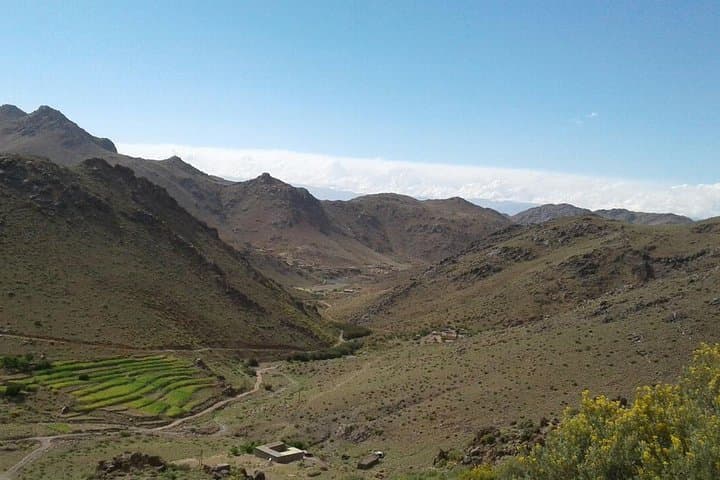
The journey traces the Tizi-n-Tichka pass, drops through the Draâ Valley palm groves and reaches Aït Ben Haddou — a mud-brick ksar with film-set doors and a history of caravan trade. Geologically, the route moves from folded High Atlas limestone into the wind-sculpted sands and gravel plains of the southern Drâa basin. Berber villages punctuate the landscape, their earthen colors mirroring the dunes that wait beyond.
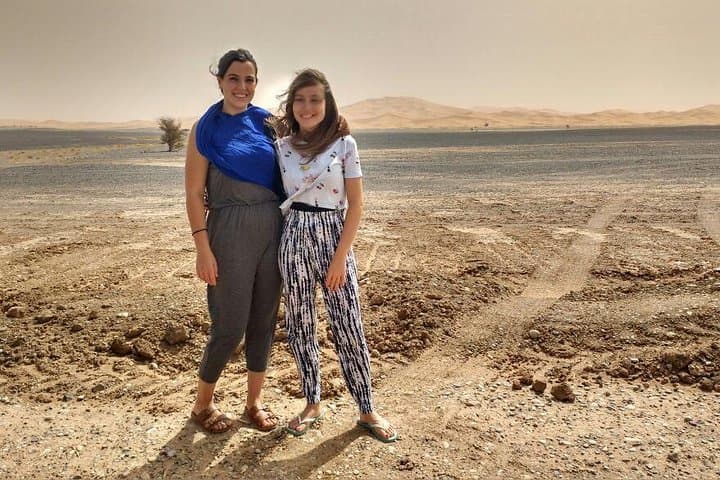
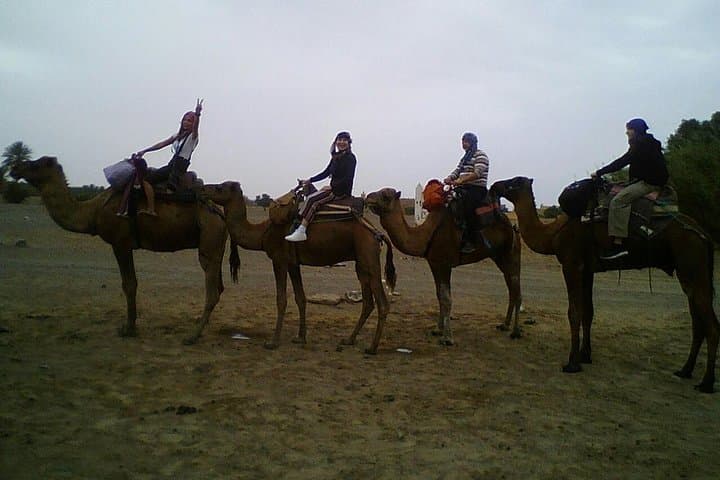
In Zagora the desert takes on personality: the dunes dare you to climb, the night sky pushes starlight into sharp focus. Camp life follows old rhythms — tea, tagine, story and a low tent-lid of stars. Camels provide a gentle, lurching approach to the horizon; sunrise in the desert is an active thing, unfolding color and temperature in minutes.
Practical guidance: prepare for long road transfers (up to 8–10 hours round-trip), significant temperature swings and simple desert facilities. Pack layered clothing for cool nights, a sun hat, and a refillable water bottle. If you want photography windows, request early stops at Aït Ben Haddou and the Draâ palm groves. Expect basic Berber tents (shared or private depending on booking), vegetarian options if requested in advance, and moderate physical demands — mostly walking on sand and short camel rides. This trip suits travelers who want immersive cultural contact with measured comfort and a clear route into Morocco’s southern desert landscape.
moderate.
2 days (approx. 48 hours).
Moderate: able to handle several hours of travel, short walks on sand and mounting a camel.
Expect about 7–10 hours one-way depending on stops and traffic, with scenic pauses at Tizi-n-Tichka and Aït Ben Haddou.
Accommodations are traditional Berber tents—comfort varies by option; some provide mattresses and blankets while facilities remain basic.
Children can join but must be accompanied; infant seats and strollers are noted as available, and camel rides are typically managed for safety.
The tour operates in most conditions but may cancel for severe weather; bring sun and cold protection and follow operator guidance.
The Draâ Valley was a historical caravan corridor linking sub-Saharan trade routes to Marrakech; Aït Ben Haddou served as a fortified stop for merchants and later as a film location.
The region faces pressure from water scarcity and overuse of palms; choose operators who use low-impact camps and respect local grazing and water rules.
Viajes Amazigh Marruecos operates guided outdoor trips and adventures with an emphasis on safety, stewardship, and memorable experiences.
A low sun stretches long shadows over the Atlas foothills as a convoy leaves Marrakech, and the road sifts down into ochre light.
A low sun stretches long shadows over the Atlas foothills as a convoy leaves Marrakech, and the road sifts down into ochre light.
The journey traces the Tizi-n-Tichka pass, drops through the Draâ Valley palm groves and reaches Aït Ben Haddou — a mud-brick ksar with film-set doors and a history of caravan trade. Geologically, the route moves from folded High Atlas limestone into the wind-sculpted sands and gravel plains of the southern Drâa basin. Berber villages punctuate the landscape, their earthen colors mirroring the dunes that wait beyond.
In Zagora the desert takes on personality: the dunes dare you to climb, the night sky pushes starlight into sharp focus. Camp life follows old rhythms — tea, tagine, story and a low tent-lid of stars. Camels provide a gentle, lurching approach to the horizon; sunrise in the desert is an active thing, unfolding color and temperature in minutes.
Practical guidance: prepare for long road transfers (up to 8–10 hours round-trip), significant temperature swings and simple desert facilities. Pack layered clothing for cool nights, a sun hat, and a refillable water bottle. If you want photography windows, request early stops at Aït Ben Haddou and the Draâ palm groves. Expect basic Berber tents (shared or private depending on booking), vegetarian options if requested in advance, and moderate physical demands — mostly walking on sand and short camel rides. This trip suits travelers who want immersive cultural contact with measured comfort and a clear route into Morocco’s southern desert landscape.