THE ADVENTURE COLLECTIVE® · Independent discovery and booking for outdoor travel

Cross the High Atlas at sunrise, explore Aït Ben Haddou, ride camels into Zagora’s dunes, and sleep under the desert sky on this compact two-day private tour from Marrakech. Expect long drives, vivid landscapes, and strong cultural highlights.
Cross the High Atlas at sunrise, explore Aït Ben Haddou, ride camels into Zagora’s dunes, and sleep under the desert sky on this compact two-day private tour from Marrakech. Expect long drives, vivid landscapes, and strong cultural highlights.
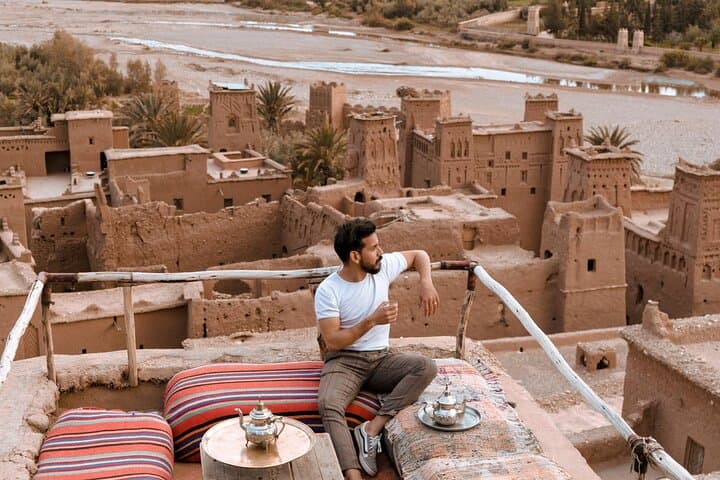
You leave Marrakech before dawn, tires crunching on the road as the High Atlas rises and the air thins. Tizi n’Tichka pass opens like a frame at 2,260 meters—rock faces and terraced fields slide past the van windows—then Aït Ben Haddou appears, its ochre clay walls catching late-morning light. By afternoon the landscape softens into the Draa Valley: a green ribbon of palm groves daring you to slow down.
Verified experiences and guided adventures in the surrounding area.
Operated by Explore Marrakech Trips · Zagora, Drâa-Tafilalet
You leave Marrakech before dawn, tires crunching on the road as the High Atlas rises and the air thins. Tizi n’Tichka pass opens like a frame at 2,260 meters—rock faces and terraced fields slide past the van windows—then Aït Ben Haddou appears, its ochre clay walls catching late-morning light. By afternoon the landscape softens into the Draa Valley: a green ribbon of palm groves daring you to slow down.
The route follows old caravan corridors where salt and spices once moved toward sub-Saharan trade. Geologically the region shifts from folded Atlas limestone to wind-sculpted sands; Zagora’s dunes are younger than the mountains but no less insistent, storing daytime heat and releasing it with the stars. Cultural notes are visible: kasbah architecture—mud-brick fortresses and ksour—reflects local materials and centuries of Berber craftsmanship, while Ouarzazate’s film studios nod to the area’s modern cinematic role.
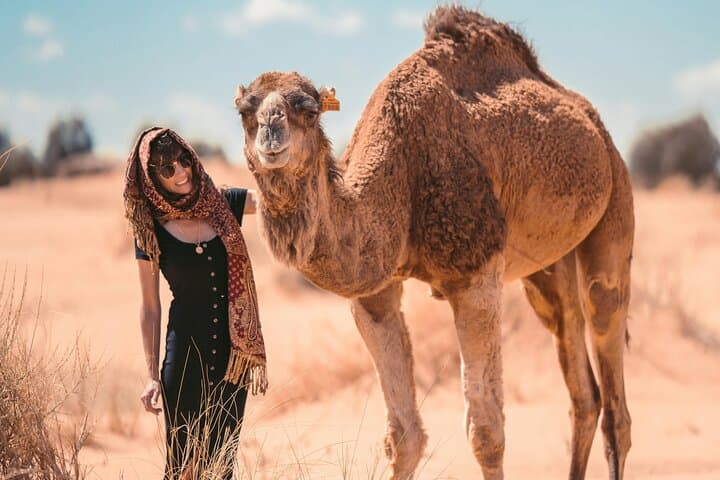
Practical guidance: expect long driving segments (several hours each way) broken by curated stops. The tour includes a guided camel ride to a desert bivouac and an overnight in a Berber-style tent with dinner and breakfast provided. Pack layered clothing for hot days and cool nights, sun protection, a refillable water bottle, and a small daypack. For photography, sunrise and sunset over the dunes are unbeatable—plan to be awake early on Day 2. Mobility is generally easy; camel saddles and sandy walking require basic balance. Because this is a private, multi-day excursion, confirm pickup details and passport info ahead of time. The trip blends accessible adventure with cultural immersion: a short, tidy escape from Marrakech into Morocco’s broader landscapes.
moderate.
2 days (approx. 48 hours).
Suitable for most travelers in average fitness; includes short camel rides and walking on sand which require basic mobility.
Expect multi-hour drives: roughly 4–6 hours on Day 1 to reach Zagora with stops, and similar driving back on Day 2 including visits to Ouarzazate.
Breakfast and dinner at the bivouac are included; lunches and some restaurant meals during the drive are typically optional and at your own expense.
Yes—camel rides are gentle but require basic mobility for mounting and dismounting; the operator provides assistance and infant seats for very young children where needed.
Yes—you will need passport details for booking and should carry your passport or a copy during travel for identification and any transfer arrangements.
The route follows historic trans-Saharan corridors; Aït Ben Haddou served as a fortified caravan hub and has been a filming location for international cinema.
Visitors should stick to marked routes around dunes and use refillable water containers; local operators often support community-based tourism and tent waste management.
Explore Marrakech Trips operates guided outdoor trips and adventures with an emphasis on safety, stewardship, and memorable experiences.
You leave Marrakech before dawn, tires crunching on the road as the High Atlas rises and the air thins. Tizi n’Tichka pass opens like a frame at 2,260 meters—rock faces and terraced fields slide past the van windows—then Aït Ben Haddou appears, its ochre clay walls catching late-morning light. By afternoon the landscape softens into the Draa Valley: a green ribbon of palm groves daring you to slow down.
You leave Marrakech before dawn, tires crunching on the road as the High Atlas rises and the air thins. Tizi n’Tichka pass opens like a frame at 2,260 meters—rock faces and terraced fields slide past the van windows—then Aït Ben Haddou appears, its ochre clay walls catching late-morning light. By afternoon the landscape softens into the Draa Valley: a green ribbon of palm groves daring you to slow down.
The route follows old caravan corridors where salt and spices once moved toward sub-Saharan trade. Geologically the region shifts from folded Atlas limestone to wind-sculpted sands; Zagora’s dunes are younger than the mountains but no less insistent, storing daytime heat and releasing it with the stars. Cultural notes are visible: kasbah architecture—mud-brick fortresses and ksour—reflects local materials and centuries of Berber craftsmanship, while Ouarzazate’s film studios nod to the area’s modern cinematic role.
Practical guidance: expect long driving segments (several hours each way) broken by curated stops. The tour includes a guided camel ride to a desert bivouac and an overnight in a Berber-style tent with dinner and breakfast provided. Pack layered clothing for hot days and cool nights, sun protection, a refillable water bottle, and a small daypack. For photography, sunrise and sunset over the dunes are unbeatable—plan to be awake early on Day 2. Mobility is generally easy; camel saddles and sandy walking require basic balance. Because this is a private, multi-day excursion, confirm pickup details and passport info ahead of time. The trip blends accessible adventure with cultural immersion: a short, tidy escape from Marrakech into Morocco’s broader landscapes.