THE ADVENTURE COLLECTIVE® · Independent discovery and booking for outdoor travel

Cross the High Atlas, tour the UNESCO kasbah of Ait Ben Haddou, and spend a night in a Berber camp beneath clear desert stars. This two-day loop from Marrakech mixes historic sites, long scenic drives, and dune horseback for a compact Sahara experience.
Cross the High Atlas, tour the UNESCO kasbah of Ait Ben Haddou, and spend a night in a Berber camp beneath clear desert stars. This two-day loop from Marrakech mixes historic sites, long scenic drives, and dune horseback for a compact Sahara experience.
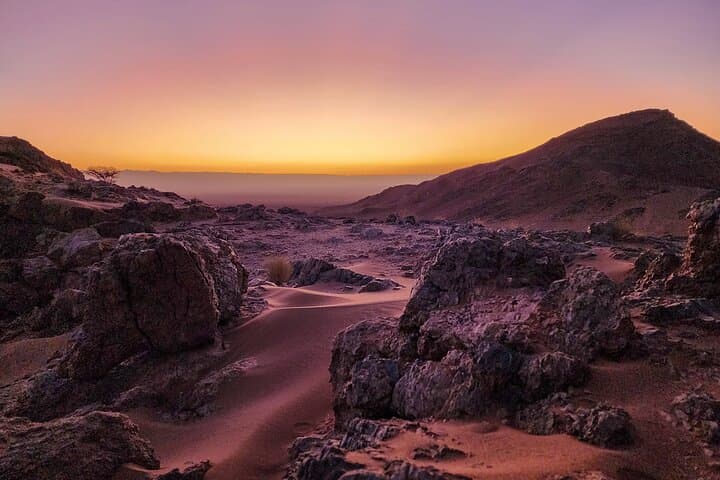
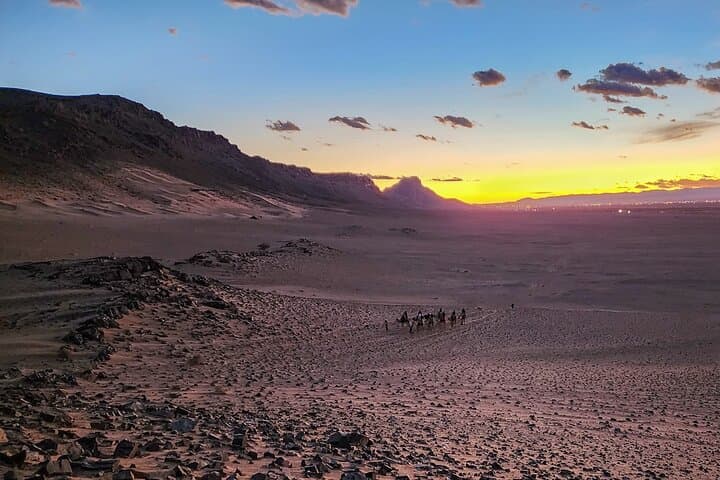
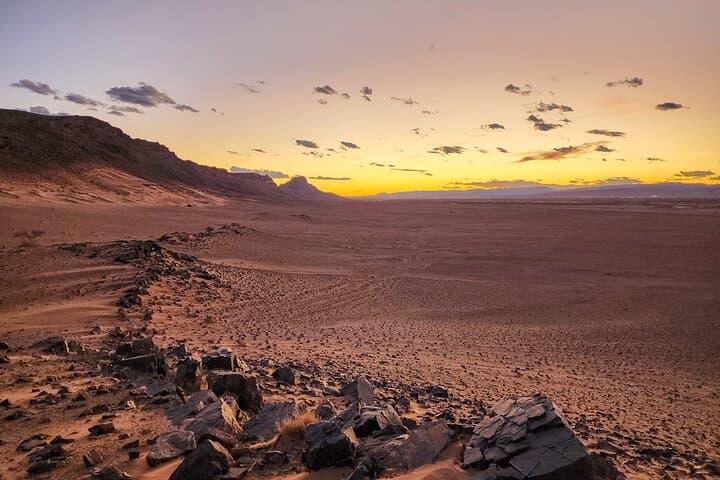
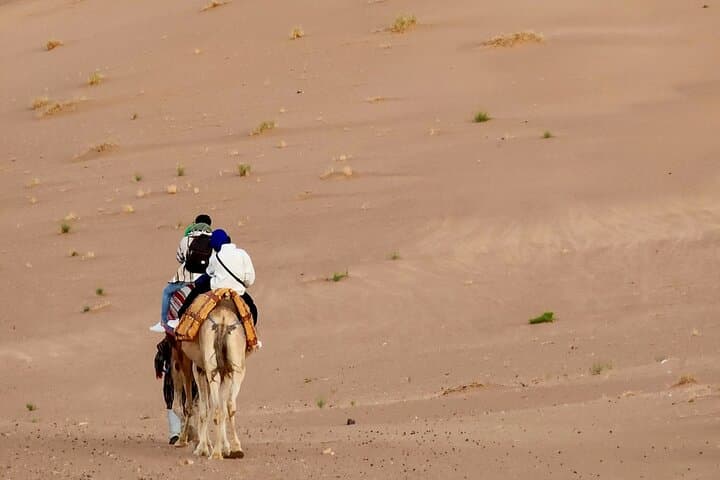
You crest the Tizi n’Tichka pass at dawn and the High Atlas opens like a folded map—red earth, hairpin roads, and villages clinging to terraces. By midday Kasbah Ait Ben Haddou rises in the heat like a clay city kept for the desert’s stories. Then the road softens into the Draa Valley, where palm groves and ksar give way to the dunes of Zagora. Camels step forward as the sun drops; the dunes inhale and the campfire answers.
Verified experiences and guided adventures in the surrounding area.
Operated by Discover sahara tours · Zagora, Drâa-Tafilalet
You crest the Tizi n’Tichka pass at dawn and the High Atlas opens like a folded map—red earth, hairpin roads, and villages clinging to terraces. By midday Kasbah Ait Ben Haddou rises in the heat like a clay city kept for the desert’s stories. Then the road softens into the Draa Valley, where palm groves and ksar give way to the dunes of Zagora. Camels step forward as the sun drops; the dunes inhale and the campfire answers.
Ait Ben Haddou is a fortified ksar on a historic trans-Saharan caravan route and a frequent film location; the Atlas Mountains are young, tectonic folds that still lift weather and color across southern Morocco. The Zagora erg is wind-shaped sand and occasional fossilized riverbeds—the desert isn’t empty, it carries the traces of human routes and seasonal life.
Practically: the trip is a 48-hour loop from Marrakech with hotel pickup early morning, long stretches by 4x4 or minibus, a guided stop at Ait Ben Haddou, and an overnight in a Berber tent (standard or luxury options). Expect low temperatures at night, strong daytime sun, limited facilities in camp, and a short camel ride timed for sunset and sunrise. Bring layered clothing, sun protection, and cash for small purchases and tipping. Pace yourself on the drives, hydrate before dune walks, and keep your valuables secure—the scenery rewards early starts and simple gear. The route is accessible for most travelers but includes sustained sitting, basic tent accommodations, and uneven desert terrain underfoot.
moderate.
2 days (48 hours).
Light to moderate fitness—able to sit for long drives, enjoy short dune walks and brief camel rides.
Rides are short (sunset or sunrise) and designed for most travelers; mounting can be abrupt, so follow guides’ instructions and avoid heavy luggage on the camels.
Camp comfort varies—standard tents offer basic bedding and shared toilets, while luxury options provide larger tents with better bedding and private facilities.
Children can join but operators often require you to provide an infant seat for vehicle travel; confirm age policies and comfort with long drives before booking.
Space in the vehicle and at the camp is limited; use a soft duffel and leave bulky suitcases in Marrakech if possible.
Zagora and the Draa Valley sat on historic caravan routes linking sub-Saharan trade to Moroccan oases; Ait Ben Haddou served as a fortified stop and later a cinema backdrop.
The desert ecosystem is fragile—avoid disturbing vegetation, pack out plastic, and support camps that employ local guides and sustainable water practices.
Discover sahara tours operates guided outdoor trips and adventures with an emphasis on safety, stewardship, and memorable experiences.
You crest the Tizi n’Tichka pass at dawn and the High Atlas opens like a folded map—red earth, hairpin roads, and villages clinging to terraces. By midday Kasbah Ait Ben Haddou rises in the heat like a clay city kept for the desert’s stories. Then the road softens into the Draa Valley, where palm groves and ksar give way to the dunes of Zagora. Camels step forward as the sun drops; the dunes inhale and the campfire answers.
You crest the Tizi n’Tichka pass at dawn and the High Atlas opens like a folded map—red earth, hairpin roads, and villages clinging to terraces. By midday Kasbah Ait Ben Haddou rises in the heat like a clay city kept for the desert’s stories. Then the road softens into the Draa Valley, where palm groves and ksar give way to the dunes of Zagora. Camels step forward as the sun drops; the dunes inhale and the campfire answers.
Ait Ben Haddou is a fortified ksar on a historic trans-Saharan caravan route and a frequent film location; the Atlas Mountains are young, tectonic folds that still lift weather and color across southern Morocco. The Zagora erg is wind-shaped sand and occasional fossilized riverbeds—the desert isn’t empty, it carries the traces of human routes and seasonal life.
Practically: the trip is a 48-hour loop from Marrakech with hotel pickup early morning, long stretches by 4x4 or minibus, a guided stop at Ait Ben Haddou, and an overnight in a Berber tent (standard or luxury options). Expect low temperatures at night, strong daytime sun, limited facilities in camp, and a short camel ride timed for sunset and sunrise. Bring layered clothing, sun protection, and cash for small purchases and tipping. Pace yourself on the drives, hydrate before dune walks, and keep your valuables secure—the scenery rewards early starts and simple gear. The route is accessible for most travelers but includes sustained sitting, basic tent accommodations, and uneven desert terrain underfoot.