THE ADVENTURE COLLECTIVE® · Independent discovery and booking for outdoor travel

A two-day escape from Marrakech into the Zagora dunes that combines Atlas passes, kasbah stops, a camel ride and a night in a Berber desert camp. Ideal for travelers wanting an accessible Sahara introduction with cultural highlights and managed camping.
A two-day escape from Marrakech into the Zagora dunes that combines Atlas passes, kasbah stops, a camel ride and a night in a Berber desert camp. Ideal for travelers wanting an accessible Sahara introduction with cultural highlights and managed camping.
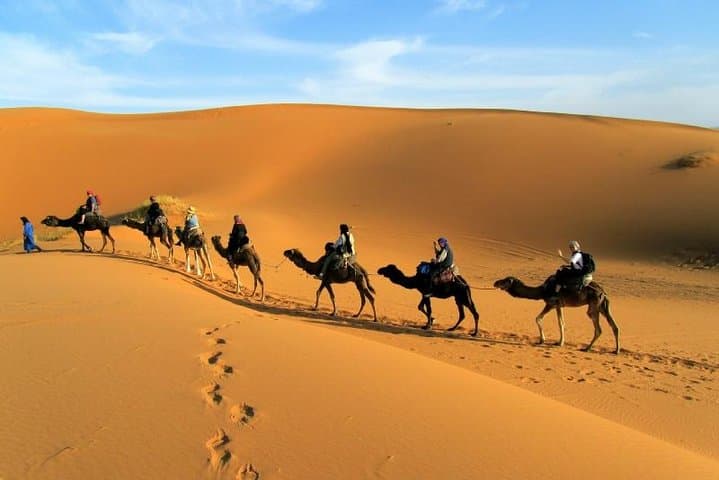
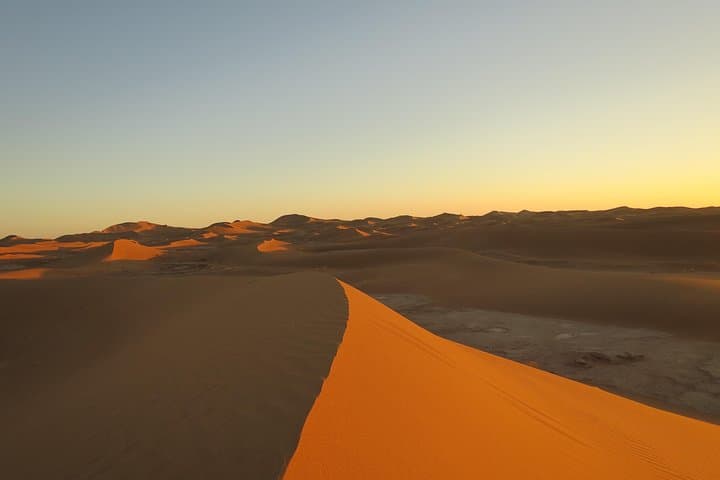
The sun is a low coin on the horizon when the minivan leaves the high, terraced roads of the Atlas and eases into the ochre plains toward Zagora. Sand pushes at the tires; the wind sketches ribs across the dunes. By late afternoon you swap the vehicle for a slow, swaying camel trek to a private Berber tented camp where dinner is served over coals and the night sky opens without city light.
Verified experiences and guided adventures in the surrounding area.
Operated by esprit d'aventure marrakech · Zagora, Drâa-Tafilalet
The sun is a low coin on the horizon when the minivan leaves the high, terraced roads of the Atlas and eases into the ochre plains toward Zagora. Sand pushes at the tires; the wind sketches ribs across the dunes. By late afternoon you swap the vehicle for a slow, swaying camel trek to a private Berber tented camp where dinner is served over coals and the night sky opens without city light.
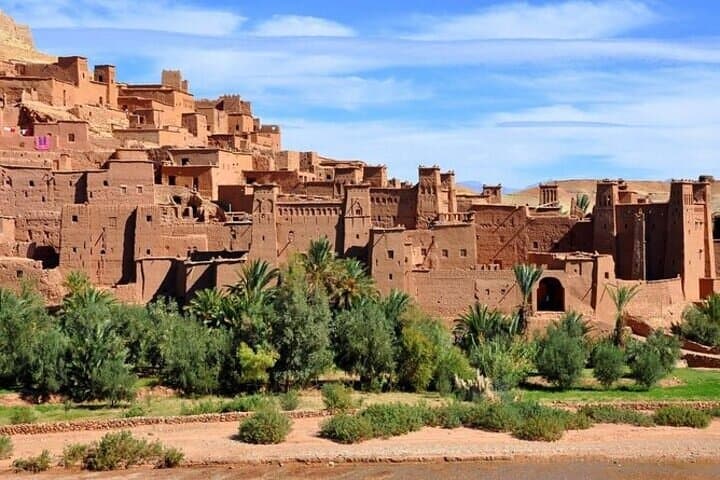
This route threads through the High Atlas' folded limestone and volcanic remnants, then onto alluvial fans and the wind-carved ergs that define the southern Drâa valley. Along the way you’ll pass fortified kasbahs—Aït Ben Haddou and Taourirt are regional highlights—built from rammed earth and reflecting centuries of caravan and Berber culture.
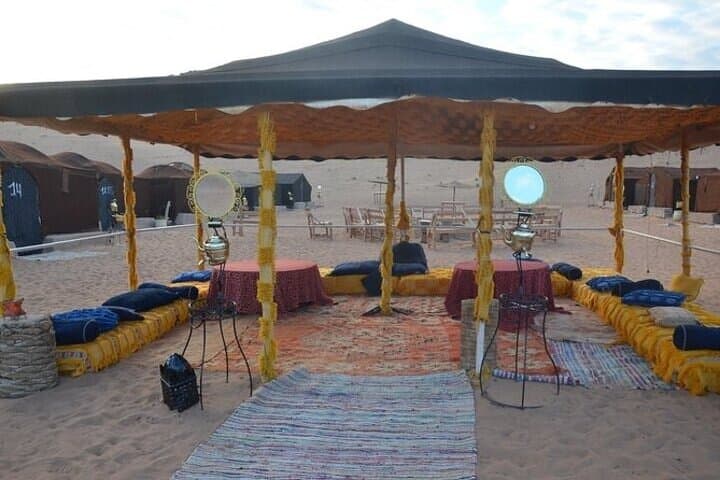
Expect a cultural evening: traditional songs, tagine dinners, and a simple tented mattress under desert silence. Geologically, the Zagora area is a transition zone between rocky plateaus and mobile sand—dunes here are smaller than Erg Chebbi but rewarding for first-time desert campers.
Practical notes: the itinerary involves long driving days (about eight hours total over two days) and a short camel ride; luggage should be light and dust-resistant. Hydrate well before and during daylight, bring layered clothing for hot days and cold nights, and allow buffer time for roadside stops at kasbahs and small villages. The tour suits travelers looking for an accessible desert introduction with cultural stops and an overnight in a managed camp.
easy.
2 days (approx. 48 hours).
Suitable for average fitness; mobility for short camel rides and walking on uneven sand helps
Camel rides are typically short—about 45–90 minutes each way depending on camp location—designed for comfort rather than endurance.
Accommodation is in private or shared Berber-style tents with simple mattresses and blankets; some camps provide basic washroom facilities.
Children are allowed but must be accompanied by an adult; camel rides and long drives may be tiring for very young travelers.
Pickup is available from selected hotels—confirm your pickup point when booking as options may be limited.
The Drâa valley has been a caravan corridor for centuries; many kasbahs were trade and defensive sites built from local earth techniques.
Respect water usage at camps and avoid disturbing native vegetation; choose operators that follow local waste management and limit camp footprint.
esprit d'aventure marrakech operates guided outdoor trips and adventures with an emphasis on safety, stewardship, and memorable experiences.
The sun is a low coin on the horizon when the minivan leaves the high, terraced roads of the Atlas and eases into the ochre plains toward Zagora. Sand pushes at the tires; the wind sketches ribs across the dunes. By late afternoon you swap the vehicle for a slow, swaying camel trek to a private Berber tented camp where dinner is served over coals and the night sky opens without city light.
The sun is a low coin on the horizon when the minivan leaves the high, terraced roads of the Atlas and eases into the ochre plains toward Zagora. Sand pushes at the tires; the wind sketches ribs across the dunes. By late afternoon you swap the vehicle for a slow, swaying camel trek to a private Berber tented camp where dinner is served over coals and the night sky opens without city light.
This route threads through the High Atlas' folded limestone and volcanic remnants, then onto alluvial fans and the wind-carved ergs that define the southern Drâa valley. Along the way you’ll pass fortified kasbahs—Aït Ben Haddou and Taourirt are regional highlights—built from rammed earth and reflecting centuries of caravan and Berber culture.
Expect a cultural evening: traditional songs, tagine dinners, and a simple tented mattress under desert silence. Geologically, the Zagora area is a transition zone between rocky plateaus and mobile sand—dunes here are smaller than Erg Chebbi but rewarding for first-time desert campers.
Practical notes: the itinerary involves long driving days (about eight hours total over two days) and a short camel ride; luggage should be light and dust-resistant. Hydrate well before and during daylight, bring layered clothing for hot days and cold nights, and allow buffer time for roadside stops at kasbahs and small villages. The tour suits travelers looking for an accessible desert introduction with cultural stops and an overnight in a managed camp.