THE ADVENTURE COLLECTIVE® · Independent discovery and booking for outdoor travel

Drive the High Atlas to Ait Ben Haddou, ride camels at sunset in Zagora, sleep under the stars, and return through the Draa Valley at sunrise. This two-day loop pairs cinematic kasbahs with Sahara dunes and Berber hospitality.
Drive the High Atlas to Ait Ben Haddou, ride camels at sunset in Zagora, sleep under the stars, and return through the Draa Valley at sunrise. This two-day loop pairs cinematic kasbahs with Sahara dunes and Berber hospitality.
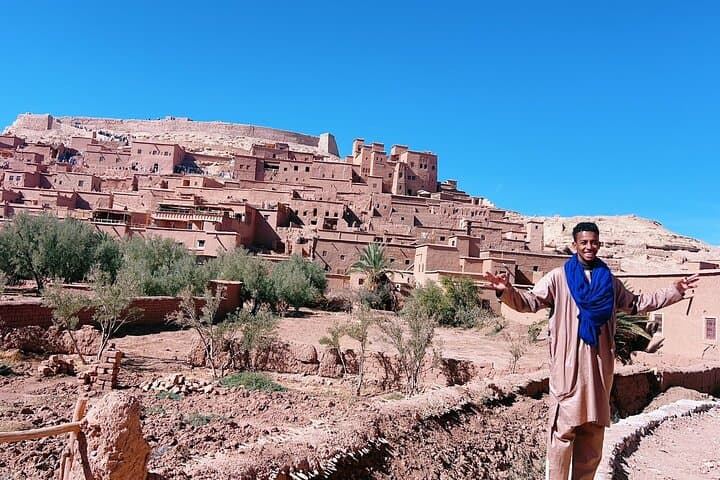
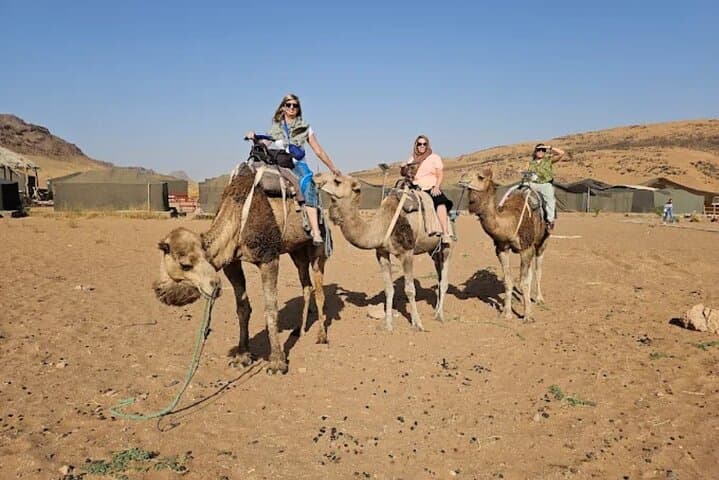
The sun leans low as your convoy climbs the High Atlas and the road thins to stone and ochre. By late afternoon the silhouette of Ait Ben Haddou rises against the skyline — compact earthen towers stacked like a fortress of clay — and farther on the Draa River threads its palms through a drying valley. When the minivan stops in the Zagora dunes, the camels stand patient; the desert invites you to slow down as the sand shifts and breathes underfoot.
Verified experiences and guided adventures in the surrounding area.
Operated by Imperial Trail Tours · Zagora, Drâa-Tafilalet
The sun leans low as your convoy climbs the High Atlas and the road thins to stone and ochre. By late afternoon the silhouette of Ait Ben Haddou rises against the skyline — compact earthen towers stacked like a fortress of clay — and farther on the Draa River threads its palms through a drying valley. When the minivan stops in the Zagora dunes, the camels stand patient; the desert invites you to slow down as the sand shifts and breathes underfoot.
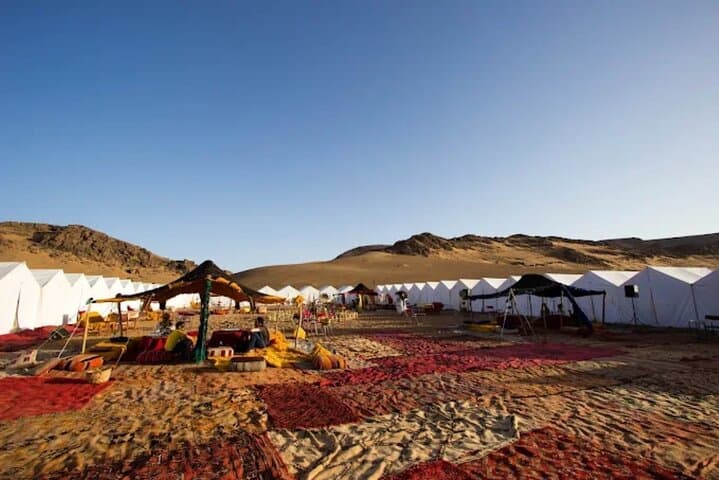
This two-day itinerary traces routes used by caravans for centuries. Ait Ben Haddou, a UNESCO-listed ksar, preserves Saadian and Berber architecture that later doubled for Hollywood epics. Geologically, the landscape is an interplay of High Atlas uplift and alluvial plains where the Draa’s seasonal flows deposit sediment, creating palm-lined oases that contrast with wind-sculpted dunes. Culturally, expect Berber hospitality, tagine dinners, and live music at the camp — lived-in traditions rather than staged performances.
Practically: travel involves long drives over mountain passes and desert tracks, a sunset camel ride with a night in a tent, and a sunrise return to the vehicle. Wear breathable layers for hot days and cold nights, bring sun protection, and limit luggage to what you can carry onto a camel. Hydrate before and during the trek, and allow time for photo stops through the Draa Valley.
This trip suits travelers who want accessible desert experience with cultural stops and minimal trekking demands — an efficient way to witness the Sahara’s light, local history, and the geological seams that shape southern Morocco.
easy.
2 days.
Suitable for most fitness levels; able to mount a camel and walk short dune slopes.
Camel rides are low-impact and brief (sunset and optional sunrise rides), suitable for most people; you should be able to mount with minimal assistance.
Transportation, one night’s desert camp accommodation, dinner and breakfast, camel rides, and a local guide are included per the itinerary.
Yes — children can participate; infant and child seats are available and camels accommodate family riders, but check age limits with the operator.
Camps offer basic amenities; some camps provide hot-water showers while others are more rustic — check the selected accommodation level when booking.
Ait Ben Haddou sits on ancient trans-Sahara caravan routes and has been a fortified trading post since the 17th century; the area’s kasbahs reflect centuries of Berber and Saharan exchange.
The Sahara’s fragile soils and limited water resources require low-impact travel and respect for local wells and oases; choose camps that minimize waste and support local communities.
Imperial Trail Tours operates guided outdoor trips and adventures with an emphasis on safety, stewardship, and memorable experiences.
The sun leans low as your convoy climbs the High Atlas and the road thins to stone and ochre. By late afternoon the silhouette of Ait Ben Haddou rises against the skyline — compact earthen towers stacked like a fortress of clay — and farther on the Draa River threads its palms through a drying valley. When the minivan stops in the Zagora dunes, the camels stand patient; the desert invites you to slow down as the sand shifts and breathes underfoot.
The sun leans low as your convoy climbs the High Atlas and the road thins to stone and ochre. By late afternoon the silhouette of Ait Ben Haddou rises against the skyline — compact earthen towers stacked like a fortress of clay — and farther on the Draa River threads its palms through a drying valley. When the minivan stops in the Zagora dunes, the camels stand patient; the desert invites you to slow down as the sand shifts and breathes underfoot.
This two-day itinerary traces routes used by caravans for centuries. Ait Ben Haddou, a UNESCO-listed ksar, preserves Saadian and Berber architecture that later doubled for Hollywood epics. Geologically, the landscape is an interplay of High Atlas uplift and alluvial plains where the Draa’s seasonal flows deposit sediment, creating palm-lined oases that contrast with wind-sculpted dunes. Culturally, expect Berber hospitality, tagine dinners, and live music at the camp — lived-in traditions rather than staged performances.
Practically: travel involves long drives over mountain passes and desert tracks, a sunset camel ride with a night in a tent, and a sunrise return to the vehicle. Wear breathable layers for hot days and cold nights, bring sun protection, and limit luggage to what you can carry onto a camel. Hydrate before and during the trek, and allow time for photo stops through the Draa Valley.
This trip suits travelers who want accessible desert experience with cultural stops and minimal trekking demands — an efficient way to witness the Sahara’s light, local history, and the geological seams that shape southern Morocco.