THE ADVENTURE COLLECTIVE® · Independent discovery and booking for outdoor travel

Cross the High Atlas into the Draa Valley, ride a camel to a desert bivouac and watch sunrise over Zagora’s dunes. This two-day excursion blends Ait Ben Haddou’s ksar history with a star-filled overnight in a luxury camp.
Cross the High Atlas into the Draa Valley, ride a camel to a desert bivouac and watch sunrise over Zagora’s dunes. This two-day excursion blends Ait Ben Haddou’s ksar history with a star-filled overnight in a luxury camp.
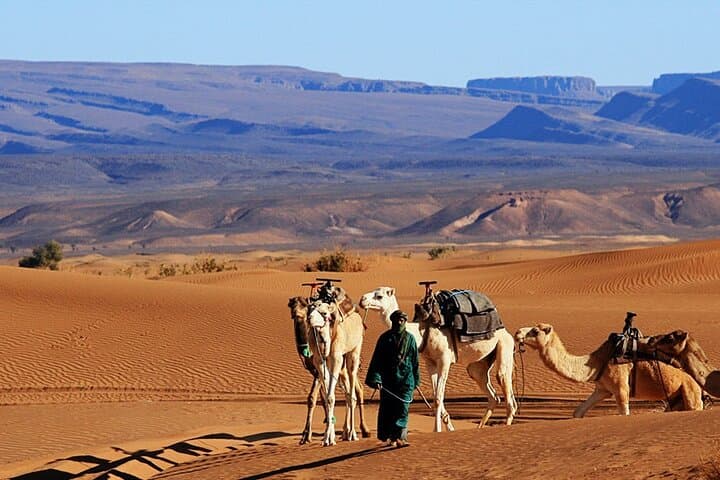
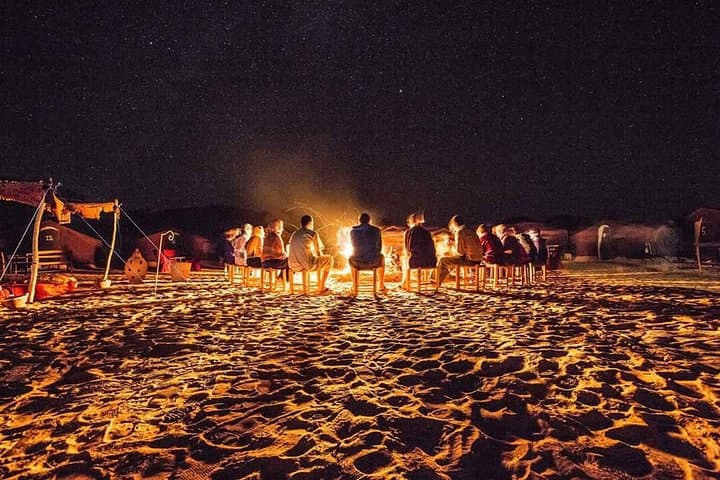
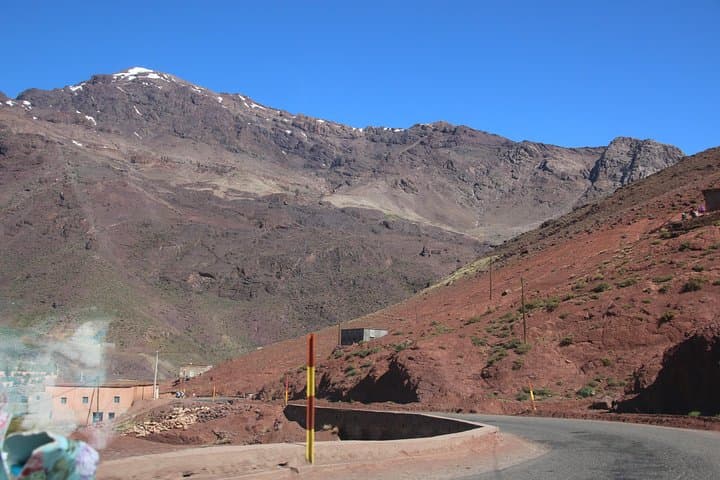
You leave Marrakech before dawn, the city shrinking behind olive groves as the road climbs toward the High Atlas. By late afternoon the asphalt gives way to ochre plains; dunes begin to test your silhouette and the wind dares you forward. A camel caravan leads the final mile into a luxury bivouac where hammocks, Berber drums and a clear ribbon of stars mark the night's rhythm.
Verified experiences and guided adventures in the surrounding area.
Operated by Moroccan Mahi Trip · Zagora, Drâa-Tafilalet
You leave Marrakech before dawn, the city shrinking behind olive groves as the road climbs toward the High Atlas. By late afternoon the asphalt gives way to ochre plains; dunes begin to test your silhouette and the wind dares you forward. A camel caravan leads the final mile into a luxury bivouac where hammocks, Berber drums and a clear ribbon of stars mark the night's rhythm.
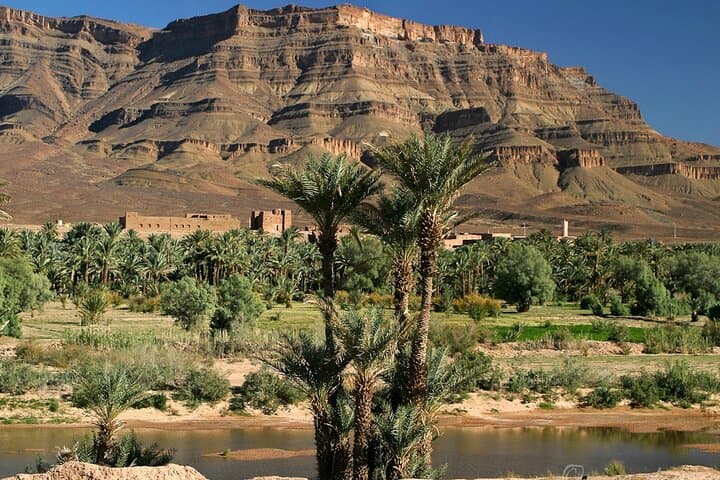
This route follows centuries-old caravan trails through the Draa Valley — an area shaped by river sediment and wind that trimmed the High Atlas into passes and mesas. Ait Ben Haddou, a fortified ksar on the route and a UNESCO site, illustrates mud-brick architecture adapted to scarce water and seasonal floods; Ouarzazate’s film studios later turned the landscape into a global backdrop.
Expect hard-packed desert trails, short sandy stretches, and a gentle camel trek of about an hour at the dune edge. Evenings are cool; days are hot and exposed. The cultural highlight is the bivouac: shared meals, Berber music, and a guide who explains local life and salt-of-the-earth survival techniques.
Practicalities: pickups typically begin around 7:30 a.m. from Marrakech with AC transport; bring layered clothing for temperature swings, at least 2–3 liters of daily water, sturdy closed shoes for stony tracks, sun protection, and small cash for tips and market stops. Plan for limited phone signal in the dunes and a relaxed pace—this trip prioritizes experience over speed.
moderate.
2 days (approx. 48 hours).
Moderate fitness—able to manage a few hours on foot and short camel rides; comfortable with long vehicle transfers.
Camel rides to and from the bivouac are about 45–60 minutes each way—short, guided, and suitable for first-timers.
Yes—the tour stays in an all-inclusive luxury bivouac with mattresses, blankets and communal dining; toilets are basic but maintained.
Expect limited to no mobile signal in parts of the desert and during the camel trek; Ouarzazate and villages along the route usually have coverage.
Yes—dinner at the bivouac and breakfast the next morning are included, with traditional Berber dishes served by the camp staff.
The Draa Valley was a trans-Saharan trade corridor; ksars like Ait Ben Haddou served as fortified caravan hubs and remain prominent examples of earthen architecture.
The desert is water-scarce and ecologically sensitive—keep to tracks, pack out waste, and support local guides and camps that practice low-impact tourism.
Moroccan Mahi Trip operates guided outdoor trips and adventures with an emphasis on safety, stewardship, and memorable experiences.
You leave Marrakech before dawn, the city shrinking behind olive groves as the road climbs toward the High Atlas. By late afternoon the asphalt gives way to ochre plains; dunes begin to test your silhouette and the wind dares you forward. A camel caravan leads the final mile into a luxury bivouac where hammocks, Berber drums and a clear ribbon of stars mark the night's rhythm.
You leave Marrakech before dawn, the city shrinking behind olive groves as the road climbs toward the High Atlas. By late afternoon the asphalt gives way to ochre plains; dunes begin to test your silhouette and the wind dares you forward. A camel caravan leads the final mile into a luxury bivouac where hammocks, Berber drums and a clear ribbon of stars mark the night's rhythm.
This route follows centuries-old caravan trails through the Draa Valley — an area shaped by river sediment and wind that trimmed the High Atlas into passes and mesas. Ait Ben Haddou, a fortified ksar on the route and a UNESCO site, illustrates mud-brick architecture adapted to scarce water and seasonal floods; Ouarzazate’s film studios later turned the landscape into a global backdrop.
Expect hard-packed desert trails, short sandy stretches, and a gentle camel trek of about an hour at the dune edge. Evenings are cool; days are hot and exposed. The cultural highlight is the bivouac: shared meals, Berber music, and a guide who explains local life and salt-of-the-earth survival techniques.
Practicalities: pickups typically begin around 7:30 a.m. from Marrakech with AC transport; bring layered clothing for temperature swings, at least 2–3 liters of daily water, sturdy closed shoes for stony tracks, sun protection, and small cash for tips and market stops. Plan for limited phone signal in the dunes and a relaxed pace—this trip prioritizes experience over speed.