THE ADVENTURE COLLECTIVE® · Independent discovery and booking for outdoor travel

Walk into the lowlands where windmills still turn and wooden clogs are shaped by hand. This compact day tour from Amsterdam pairs Zaanse Schans’ working mills with cheese farms, Volendam’s fishing harbor and the historic Marken peninsula.
Walk into the lowlands where windmills still turn and wooden clogs are shaped by hand. This compact day tour from Amsterdam pairs Zaanse Schans’ working mills with cheese farms, Volendam’s fishing harbor and the historic Marken peninsula.
The wind arrives before the village does — a steady rush that lifts the scent of cut timber and fresh cheese as you approach the Zaanse Schans. Climbing the wooden stairs of a working windmill, you feel the axle hum and the vanes slice the air; below, canals hold mirror-flat reflections of green-painted houses. The landscape here is human-made: polders, dikes and reclaimed fields tell the geological story of a country won from water.
Verified experiences and guided adventures in the surrounding area.
Operated by AAA Limousine Service · Amsterdam, North Holland
The wind arrives before the village does — a steady rush that lifts the scent of cut timber and fresh cheese as you approach the Zaanse Schans. Climbing the wooden stairs of a working windmill, you feel the axle hum and the vanes slice the air; below, canals hold mirror-flat reflections of green-painted houses. The landscape here is human-made: polders, dikes and reclaimed fields tell the geological story of a country won from water.
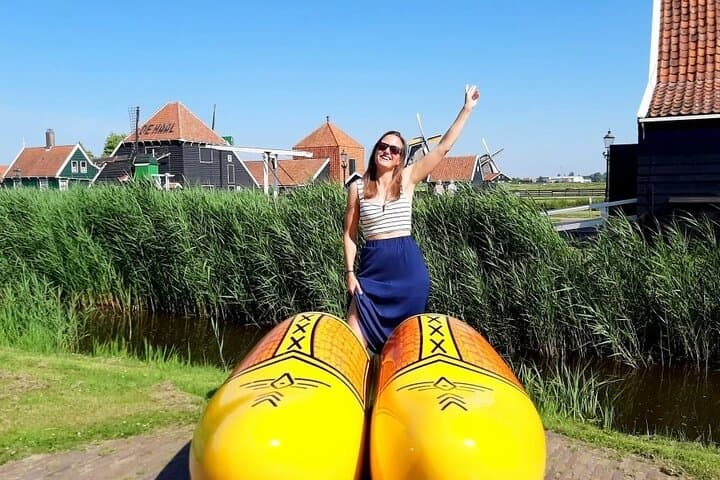
This half-day loop moves through living history. Zaanse Schans preserves 17th–19th century milling technology used to grind grain, press oils and produce pigments. At De Simonehoeve you’ll watch farmhouse cheesemaking and the traditional shaping of klompen — wooden shoes that speak to rural craft and livelihood. Nearby Volendam, once a fishing enclave isolated by sea, keeps small houses and canals that recall a tougher maritime past. Marken’s peninsula history is written in its raised homes and the dike that connected it to the mainland in 1957.
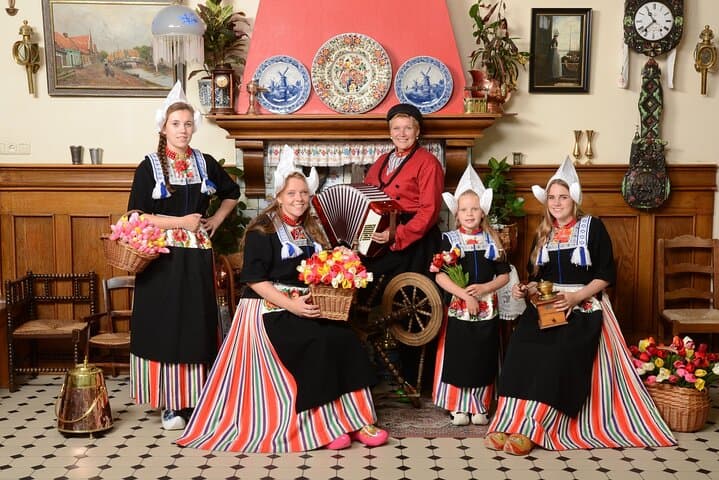
Practical side: the route is flat, largely paved or cobbled, with short walks of a few hundred meters at each stop and negligible elevation gain. Expect 4–4.5 hours including transport from Amsterdam; bring layers for wind and drizzle, comfortable shoes for cobbles, and cash for market samples. Morning departures avoid coach crowds and offer crisper light for photos. Respect private property in the small communities, ask before photographing residents in traditional dress, and sample cheese at the source — it’s part of the cultural exchange.
easy.
4–4.5 hours.
Suitable for most fitness levels; involves short, gentle walks (hundreds of meters) and some stair climbing inside mills.
Admission to specific indoor museums or demonstrations is usually included by separate venues; this tour includes guided access at scheduled stops but check the operator’s itinerary for any optional paid exhibits.
Most exterior areas and transportation are accessible, but some historic mill interiors have narrow stairs — notify the operator in advance for accommodations.
Yes — small snacks and water are fine; there are also shops and tasting rooms where you can sample and purchase local cheese and snacks.
Yes — craftspeople and farm shops sell handmade clogs and cheese; allow time in the schedule and check payment options (cards are widely accepted but small vendors may prefer cash).
The Zaan region industrialized Dutch wind power from the 17th century onward; Volendam and Marken retained distinct fishing cultures due to historic isolation by sea.
Much of the area is managed to balance heritage tourism with water-management needs; visitors are asked to stay on paths and avoid disturbing nesting birds in reedbeds.
AAA Limousine Service operates guided outdoor trips and adventures with an emphasis on safety, stewardship, and memorable experiences.
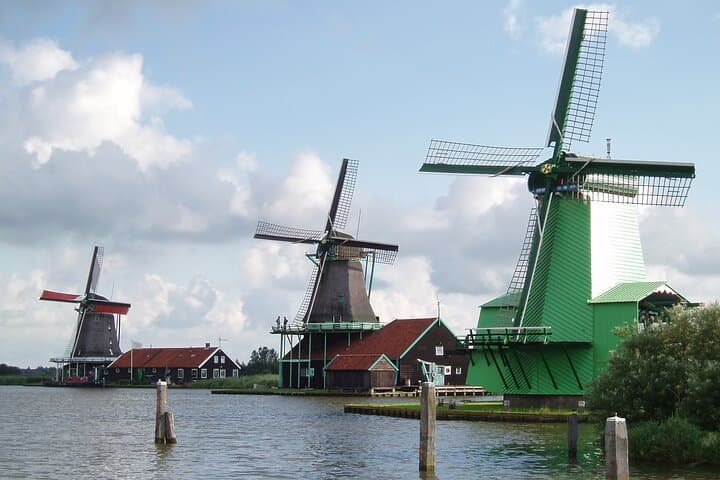
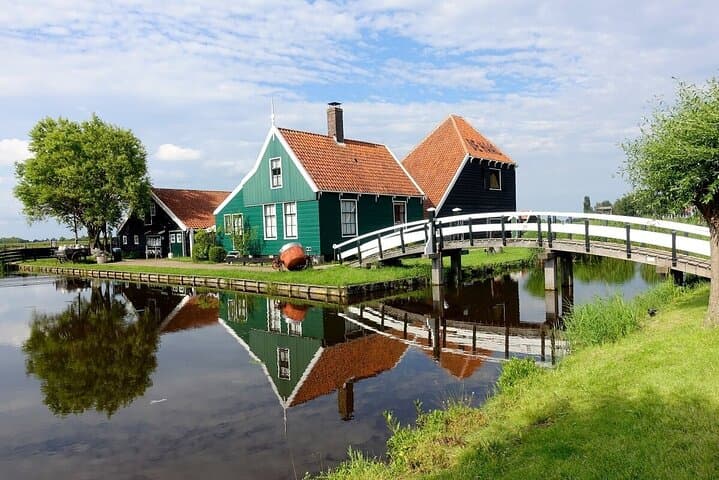
The wind arrives before the village does — a steady rush that lifts the scent of cut timber and fresh cheese as you approach the Zaanse Schans. Climbing the wooden stairs of a working windmill, you feel the axle hum and the vanes slice the air; below, canals hold mirror-flat reflections of green-painted houses. The landscape here is human-made: polders, dikes and reclaimed fields tell the geological story of a country won from water.
The wind arrives before the village does — a steady rush that lifts the scent of cut timber and fresh cheese as you approach the Zaanse Schans. Climbing the wooden stairs of a working windmill, you feel the axle hum and the vanes slice the air; below, canals hold mirror-flat reflections of green-painted houses. The landscape here is human-made: polders, dikes and reclaimed fields tell the geological story of a country won from water.
This half-day loop moves through living history. Zaanse Schans preserves 17th–19th century milling technology used to grind grain, press oils and produce pigments. At De Simonehoeve you’ll watch farmhouse cheesemaking and the traditional shaping of klompen — wooden shoes that speak to rural craft and livelihood. Nearby Volendam, once a fishing enclave isolated by sea, keeps small houses and canals that recall a tougher maritime past. Marken’s peninsula history is written in its raised homes and the dike that connected it to the mainland in 1957.
Practical side: the route is flat, largely paved or cobbled, with short walks of a few hundred meters at each stop and negligible elevation gain. Expect 4–4.5 hours including transport from Amsterdam; bring layers for wind and drizzle, comfortable shoes for cobbles, and cash for market samples. Morning departures avoid coach crowds and offer crisper light for photos. Respect private property in the small communities, ask before photographing residents in traditional dress, and sample cheese at the source — it’s part of the cultural exchange.