THE ADVENTURE COLLECTIVE® · Independent discovery and booking for outdoor travel

Walk among working windmills, traditional workshops and canals at Zaanse Schans with a self-guided audio app available in seven languages. This 2.8 km route (about 2–3 hours) covers 30 stops and lets you explore at your own pace.
Walk among working windmills, traditional workshops and canals at Zaanse Schans with a self-guided audio app available in seven languages. This 2.8 km route (about 2–3 hours) covers 30 stops and lets you explore at your own pace.
You step off the train and the air changes — cool, river-scented, with the steady creak of wooden sails turning. Narrow streets open onto a ribbon of water where green-painted windmills skirt the canal, their shadows cutting across cobblestones. The audio guide begins in your ear, a measured voice that points to a millstone, a cooper’s shop, a snug house with carved shutters.
Verified experiences and guided adventures in the surrounding area.
Operated by City App Tour · Zaandam, North Holland
You step off the train and the air changes — cool, river-scented, with the steady creak of wooden sails turning. Narrow streets open onto a ribbon of water where green-painted windmills skirt the canal, their shadows cutting across cobblestones. The audio guide begins in your ear, a measured voice that points to a millstone, a cooper’s shop, a snug house with carved shutters.
Zaanse Schans sits on the Zaan River, an industrial heart of the 17th‑ and 18th‑century Netherlands where wind power drove saws, oil presses and clogs into production. Geologically the landscape is low clay and peat, shaped by centuries of dikes and drainage — the reason the windmills here were once essential machinery rather than just icons.
Culturally, the area preserves crafts: barrel-making, wooden shoe carving, and cheese pressing. The audio route covers roughly 2.8 km and 30 stops, letting you linger at a mill or step into a museum without losing context. Expect practical details — opening hours vary by site, some demonstrations run on limited schedules, and museums may charge separate entry.
Plan for variable weather: wind off the river can be sharp even on warm days, and cobbles get slick after rain. The tour is friendly to all fitness levels but requires a smartphone with GPS and an internet connection to activate; headphones are recommended. Aim for morning light to catch the sails in motion and fewer groups, and leave time for a café break where the river seems to dare you to sit and watch the world turn.
easy.
2–3 hours.
Suitable for all fitness levels; mostly flat walking with short uneven sections
The route is about 2.8 km and typically takes 2–3 hours; you have until the end of the next day to complete it if you want to pause for museums or food.
No — the audio guide provides interpretation and GPS stops; entry to working windmills and museums is usually paid separately and operates on its own schedule.
You need internet to activate the tour and GPS guidance; downloading maps and conserving data with offline options is recommended.
Much of the site is level, but some pathways and historic buildings have steps or uneven surfaces; check specific museum accessibility before visiting.
Zaanse Schans preserves machinery and buildings from the Zaan region’s 17th‑century industrial boom, when windmills powered saws, oil presses and other workshops crucial to early Dutch commerce.
The site balances tourism with preservation — boardwalks and designated paths protect fragile riverbanks and historic foundations; visitors are asked to follow signage and avoid climbing on structures.
City App Tour operates guided outdoor trips and adventures with an emphasis on safety, stewardship, and memorable experiences.
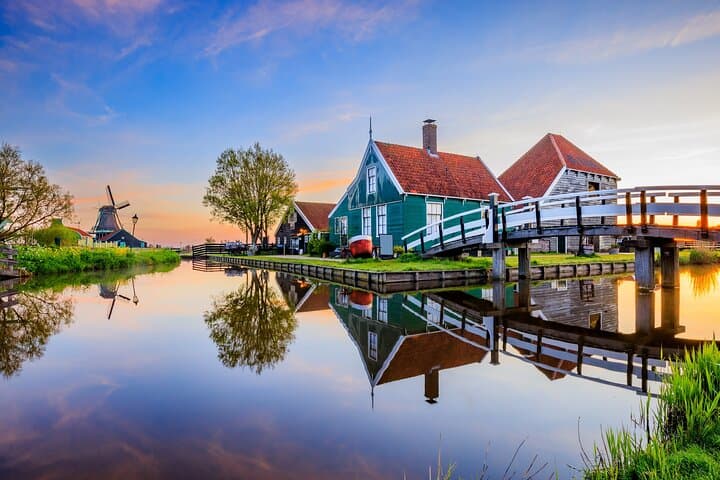
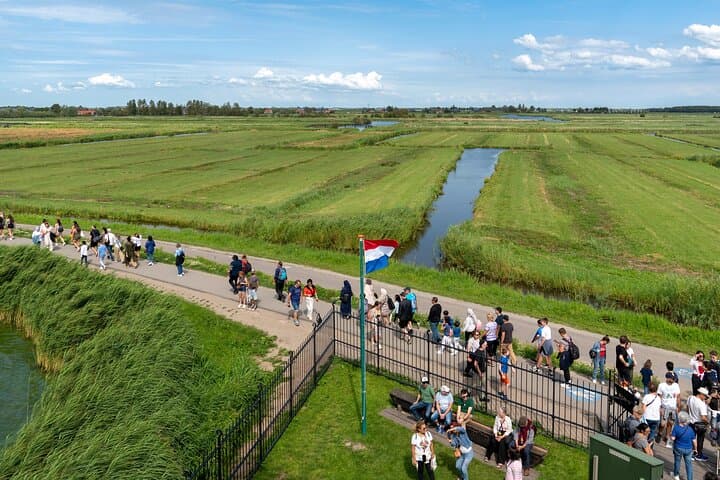
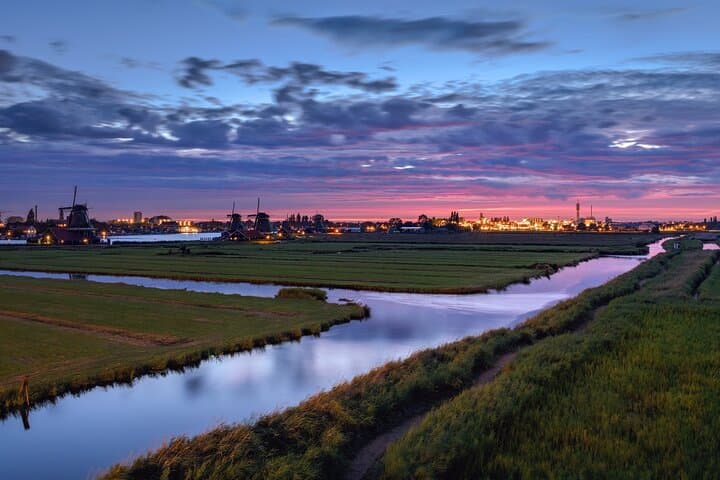
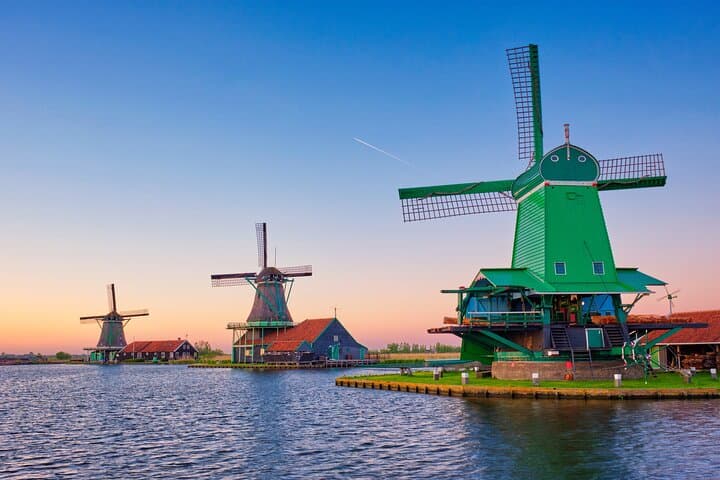
You step off the train and the air changes — cool, river-scented, with the steady creak of wooden sails turning. Narrow streets open onto a ribbon of water where green-painted windmills skirt the canal, their shadows cutting across cobblestones. The audio guide begins in your ear, a measured voice that points to a millstone, a cooper’s shop, a snug house with carved shutters.
You step off the train and the air changes — cool, river-scented, with the steady creak of wooden sails turning. Narrow streets open onto a ribbon of water where green-painted windmills skirt the canal, their shadows cutting across cobblestones. The audio guide begins in your ear, a measured voice that points to a millstone, a cooper’s shop, a snug house with carved shutters.
Zaanse Schans sits on the Zaan River, an industrial heart of the 17th‑ and 18th‑century Netherlands where wind power drove saws, oil presses and clogs into production. Geologically the landscape is low clay and peat, shaped by centuries of dikes and drainage — the reason the windmills here were once essential machinery rather than just icons.
Culturally, the area preserves crafts: barrel-making, wooden shoe carving, and cheese pressing. The audio route covers roughly 2.8 km and 30 stops, letting you linger at a mill or step into a museum without losing context. Expect practical details — opening hours vary by site, some demonstrations run on limited schedules, and museums may charge separate entry.
Plan for variable weather: wind off the river can be sharp even on warm days, and cobbles get slick after rain. The tour is friendly to all fitness levels but requires a smartphone with GPS and an internet connection to activate; headphones are recommended. Aim for morning light to catch the sails in motion and fewer groups, and leave time for a café break where the river seems to dare you to sit and watch the world turn.