THE ADVENTURE COLLECTIVE® · Independent discovery and booking for outdoor travel

Spend four days above Almaty in a traditional yurt camp while ski-touring and split-boarding Tien Shan slopes. Expect high-altitude routes (3,200–4,100 m), avalanche training, communal meals, and minimal facilities—ideal for fit, experienced off-piste riders.
Spend four days above Almaty in a traditional yurt camp while ski-touring and split-boarding Tien Shan slopes. Expect high-altitude routes (3,200–4,100 m), avalanche training, communal meals, and minimal facilities—ideal for fit, experienced off-piste riders.
Snow sighs off the ridgelines as you step from the cable car onto Talgar Pass at 3,163 m; the city of Almaty lies low and hazy below while glaciers gouge the horizon. The yurt camp sits above tree line—a warm circle of canvas and wood where starlight and the smell of boiling tea frame the evenings. Mornings begin before dawn: skins hiss, boots tighten, and the mountain pushes you toward 3,200–4,100 m runs that test stamina and technique.
Verified experiences and guided adventures in the surrounding area.
Operated by Powder Nomads Freeride and Backcountry Trips in Kazakhstan · Almaty, Almaty Region
Snow sighs off the ridgelines as you step from the cable car onto Talgar Pass at 3,163 m; the city of Almaty lies low and hazy below while glaciers gouge the horizon. The yurt camp sits above tree line—a warm circle of canvas and wood where starlight and the smell of boiling tea frame the evenings. Mornings begin before dawn: skins hiss, boots tighten, and the mountain pushes you toward 3,200–4,100 m runs that test stamina and technique.
This is Tien Shan country—ranges carved by glaciation, moraines that mark slow geological work, and slopes that served for Soviet-era alpine training at nearby Shymbulak since the 1950s. You'll touch nomadic culture through the yurt system and Kazakh meals served in the communal yurt-restaurant. The landscape rewards steady ascent with sweeping views back to Almaty and the hush of high-altitude air that sharpens senses.
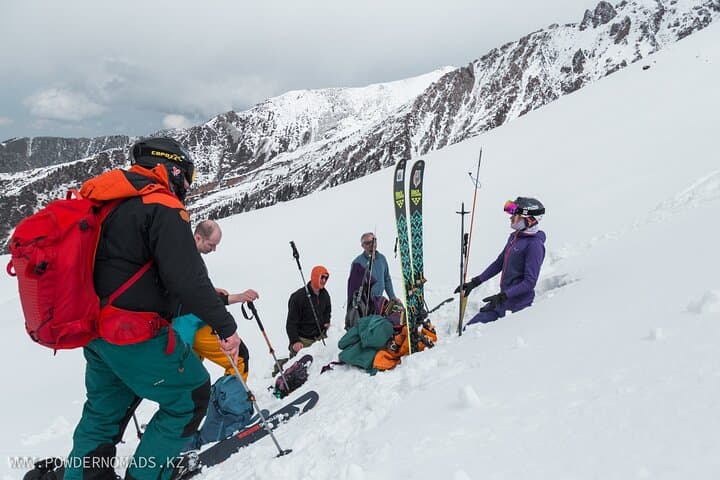
Practically: expect long out-and-back days of ski-touring or split-boarding with elevation gains and descents into 3,200–4,100 m terrain. Avalanche risk, changing weather and thin air make pacing and hydration essential; guides provide avalanche training and choose routes to match group ability. The camp provides heated sleeping platforms, pillows and mats but limited shower facilities—plan for cold washes. Early starts, layered clothing, reliable touring setups and an avalanche kit are not optional. If you're a fit off-piste rider ready for steep sidecountry and glacier approaches, this four-day program offers concentrated exposure to technical alpine travel and the rare pleasure of an apron-ski above the clouds.
challenging.
3–4 days.
Strong aerobic fitness and sustained leg strength; experience with long backcountry days at altitude.
You can bring your own touring skis or splitboard; rental options may be limited—confirm with the operator beforehand.
Days range from moderate to strenuous with sustained elevation and technical descents; previous off-piste experience is required.
The camp provides heated sleeping platforms, pillows, mats, meals in a yurt-restaurant, drinking water and basic bathroom facilities—no showers or saunas.
Yes—altitudes reach up to about 4,100 m; the itinerary includes acclimatization hikes and conservative pacing, but monitor symptoms and communicate with guides.
The Shymbulak area served as a Soviet alpine training zone from the 1950s, and yurts reflect Kazakhstan’s nomadic traditions repurposed for modern backcountry hospitality.
High-alpine ecosystems are fragile—minimize waste, pack out non-burnables, and follow guide instructions to limit trail and snowpack impacts.
Powder Nomads Freeride and Backcountry Trips in Kazakhstan operates guided outdoor trips and adventures with an emphasis on safety, stewardship, and memorable experiences.
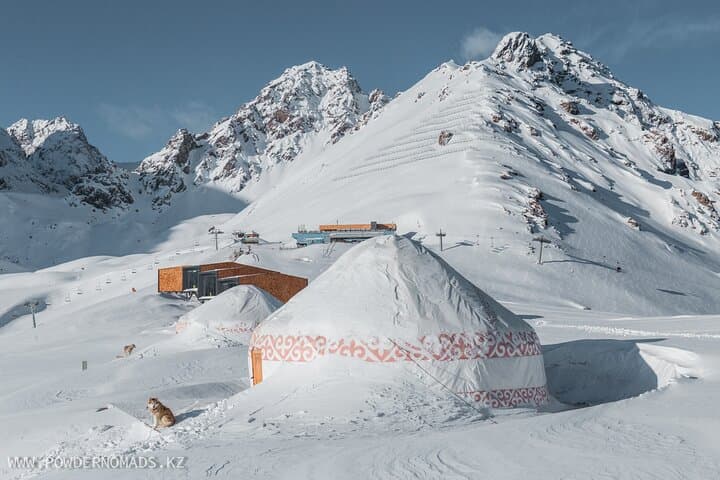
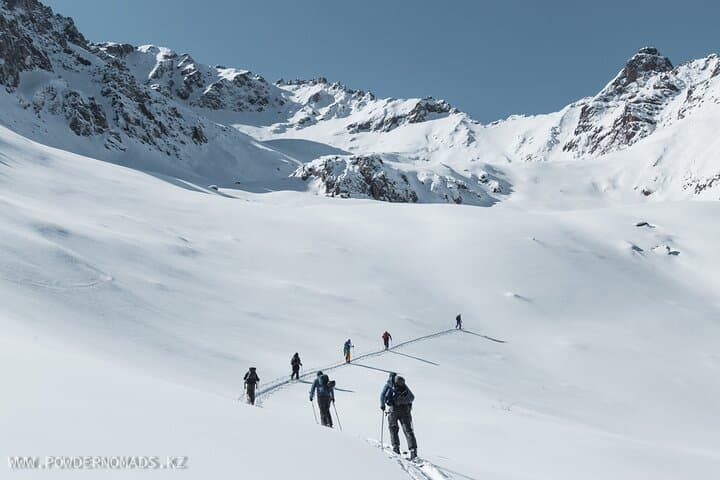
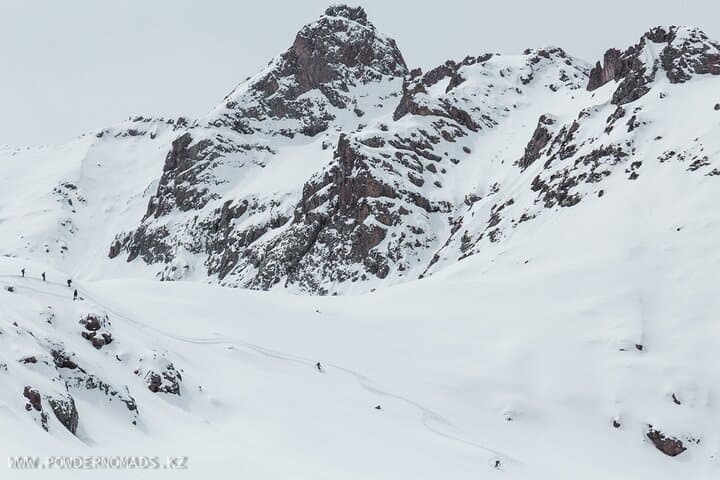
Snow sighs off the ridgelines as you step from the cable car onto Talgar Pass at 3,163 m; the city of Almaty lies low and hazy below while glaciers gouge the horizon. The yurt camp sits above tree line—a warm circle of canvas and wood where starlight and the smell of boiling tea frame the evenings. Mornings begin before dawn: skins hiss, boots tighten, and the mountain pushes you toward 3,200–4,100 m runs that test stamina and technique.
Snow sighs off the ridgelines as you step from the cable car onto Talgar Pass at 3,163 m; the city of Almaty lies low and hazy below while glaciers gouge the horizon. The yurt camp sits above tree line—a warm circle of canvas and wood where starlight and the smell of boiling tea frame the evenings. Mornings begin before dawn: skins hiss, boots tighten, and the mountain pushes you toward 3,200–4,100 m runs that test stamina and technique.
This is Tien Shan country—ranges carved by glaciation, moraines that mark slow geological work, and slopes that served for Soviet-era alpine training at nearby Shymbulak since the 1950s. You'll touch nomadic culture through the yurt system and Kazakh meals served in the communal yurt-restaurant. The landscape rewards steady ascent with sweeping views back to Almaty and the hush of high-altitude air that sharpens senses.
Practically: expect long out-and-back days of ski-touring or split-boarding with elevation gains and descents into 3,200–4,100 m terrain. Avalanche risk, changing weather and thin air make pacing and hydration essential; guides provide avalanche training and choose routes to match group ability. The camp provides heated sleeping platforms, pillows and mats but limited shower facilities—plan for cold washes. Early starts, layered clothing, reliable touring setups and an avalanche kit are not optional. If you're a fit off-piste rider ready for steep sidecountry and glacier approaches, this four-day program offers concentrated exposure to technical alpine travel and the rare pleasure of an apron-ski above the clouds.