THE ADVENTURE COLLECTIVE® · Independent discovery and booking for outdoor travel

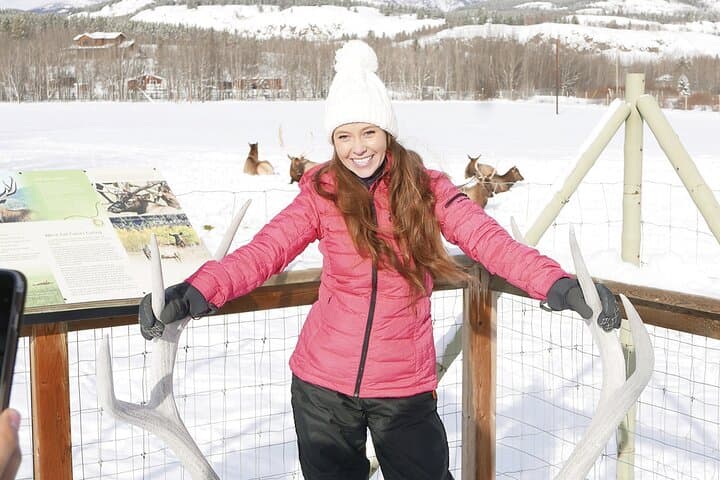
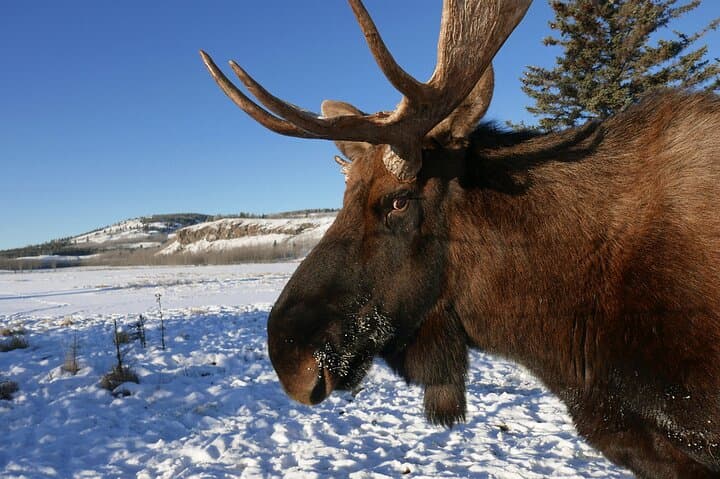
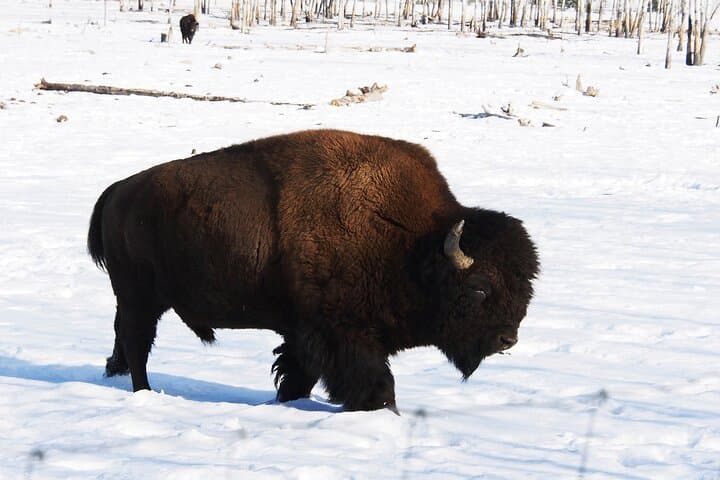
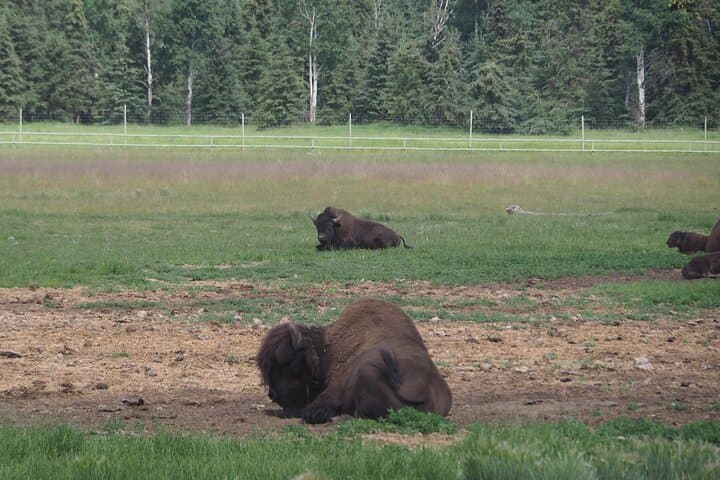
Spend three hours on a guided tour through the Yukon Wildlife Preserve, where caribou, musk-ox, moose and arctic foxes offer front-row viewing. Practical for photographers and naturalists, this half-day experience combines close-up wildlife observation with insights into northern ecology and conservation.
Spend three hours on a guided tour through the Yukon Wildlife Preserve, where caribou, musk-ox, moose and arctic foxes offer front-row viewing. Practical for photographers and naturalists, this half-day experience combines close-up wildlife observation with insights into northern ecology and conservation.
The bus eases out of Whitehorse and the boreal forest leans in close — black spruce and trembling aspen brushing past the windows as the guide checks binoculars and lenses. At the Yukon Wildlife Preserve, enclosures open to wide tundra and the animals move like chapters of the north: a line of woodland caribou pausing to survey the road, a musk-ox turning its broad flank to the wind, and an arctic fox slipping along the edge of a pond as if it were reading a map.
Verified experiences and guided adventures in the surrounding area.
Operated by Arctic Range Adventure · Whitehorse, Yukon
The bus eases out of Whitehorse and the boreal forest leans in close — black spruce and trembling aspen brushing past the windows as the guide checks binoculars and lenses. At the Yukon Wildlife Preserve, enclosures open to wide tundra and the animals move like chapters of the north: a line of woodland caribou pausing to survey the road, a musk-ox turning its broad flank to the wind, and an arctic fox slipping along the edge of a pond as if it were reading a map.
The preserve was created in the 1980s to protect native Yukon species and to offer researchers and visitors a chance to observe animals outside of hunting zones. Geologically the area sits on glacial deposits and riverine terraces shaped after the last ice age, so low ridges and wet meadows are common habitat features. Local First Nations knowledge informs interpretive notes about migration timing and traditional uses of the land.
On this three-hour tour, expect guided stops at multiple enclosures with focused time for photography and questions. Guides discuss seasonal behavior, diet, and conservation status as you move at a measured pace: this is observation, not a hike.
Practical tips: dress in layers, bring a telephoto lens or binoculars, and wear waterproof shoes — Yukon weather turns quickly and early evenings are cold even in summer. Morning or mid-afternoon departures find more animal activity; remember that sightings vary by season and the preserve emphasizes animal welfare and habitat integrity over guaranteed close encounters.
easy.
3 hours.
Suitable for all fitness levels; most time is seated on a vehicle with short, flat viewing stops
Yes—children must be accompanied by an adult; the tour is rated easy and family-friendly.
Hotel pickup and drop-off are included; exact pickup times vary so confirm with the operator before departure.
Viewing occurs from designated stops at enclosures—close for photos but at distances that prioritize animal welfare.
The preserve houses animals year-round; tours operate seasonally with variations—contact the provider for current winter schedules and conditions.
The preserve was established in the 1980s to conserve native Yukon species and provide an educational space that complements traditional land stewardship by local First Nations.
The facility focuses on habitat-based animal care and public education; visitors are encouraged to minimize disturbance and follow guidelines to protect seasonal behaviors and breeding cycles.
Arctic Range Adventure operates guided outdoor trips and adventures with an emphasis on safety, stewardship, and memorable experiences.
The bus eases out of Whitehorse and the boreal forest leans in close — black spruce and trembling aspen brushing past the windows as the guide checks binoculars and lenses. At the Yukon Wildlife Preserve, enclosures open to wide tundra and the animals move like chapters of the north: a line of woodland caribou pausing to survey the road, a musk-ox turning its broad flank to the wind, and an arctic fox slipping along the edge of a pond as if it were reading a map.
The bus eases out of Whitehorse and the boreal forest leans in close — black spruce and trembling aspen brushing past the windows as the guide checks binoculars and lenses. At the Yukon Wildlife Preserve, enclosures open to wide tundra and the animals move like chapters of the north: a line of woodland caribou pausing to survey the road, a musk-ox turning its broad flank to the wind, and an arctic fox slipping along the edge of a pond as if it were reading a map.
The preserve was created in the 1980s to protect native Yukon species and to offer researchers and visitors a chance to observe animals outside of hunting zones. Geologically the area sits on glacial deposits and riverine terraces shaped after the last ice age, so low ridges and wet meadows are common habitat features. Local First Nations knowledge informs interpretive notes about migration timing and traditional uses of the land.
On this three-hour tour, expect guided stops at multiple enclosures with focused time for photography and questions. Guides discuss seasonal behavior, diet, and conservation status as you move at a measured pace: this is observation, not a hike.
Practical tips: dress in layers, bring a telephoto lens or binoculars, and wear waterproof shoes — Yukon weather turns quickly and early evenings are cold even in summer. Morning or mid-afternoon departures find more animal activity; remember that sightings vary by season and the preserve emphasizes animal welfare and habitat integrity over guaranteed close encounters.