
Yukata Walk Near Kiyomizu-dera: Kimono Rental & Stroll in Kyoto
Step into a yukata and walk three minutes to Kiyomizu-dera—an easy, immersive way to experience Kyoto’s historic streets, temple views, and photo-ready corners. This kimono rental plan gives you hours to explore nearby Ninenzaka, Sannenzaka, and the Gion district.
An Adventure In Kyoto.
Step into a yukata and walk three minutes to Kiyomizu-dera—an easy, immersive way to experience Kyoto’s historic streets, temple views, and photo-ready corners. This kimono rental plan gives you hours to explore nearby Ninenzaka, Sannenzaka, and the Gion district.
Read the full experience
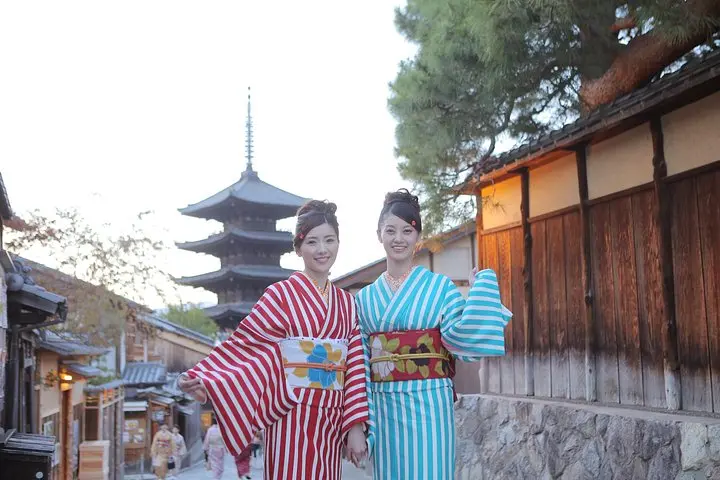
Morning light pools on the narrow stone lane as you step from the rental shop into a crowd of tourists and the soft scrape of zori on cobbles.
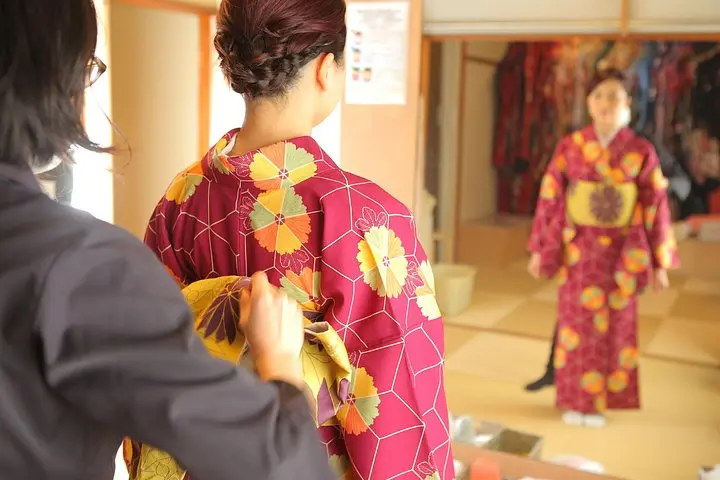
A wrapped obi tightens the silhouette, tabi socks quiet your footsteps, and within minutes the broad, wooden veranda of Kiyomizu-dera appears above the city, a stone’s throw from where you began.
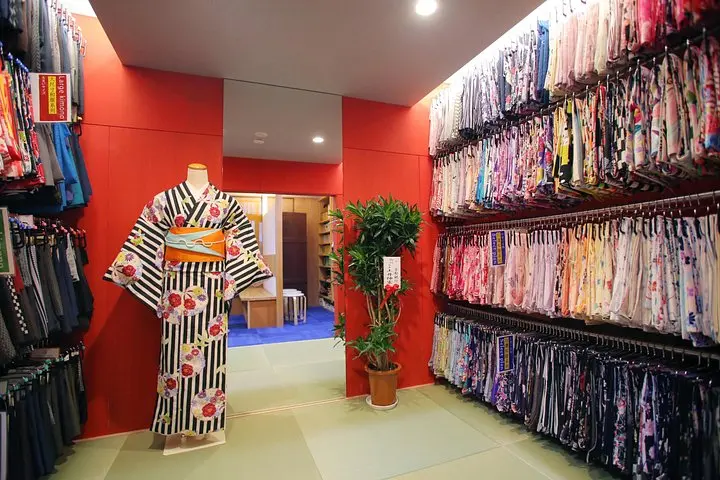
Kiyomizu-dera dates to 778 CE and sits on a hillside formed from volcanic and sedimentary terraces that give the temple its dramatic wooden projection. The surrounding streets—Ninenzaka and Sannenzaka—retain Edo-period street patterns; lantern-lit teahouses and cedar-lined lanes offer a direct line to Kyoto’s living cultural history. The yukata itself is a lightweight summer kimono with roots in communal bathing culture; wearing one here links seasonal Japanese clothing traditions to the city’s temple rhythms.
Practical rhythm: rentals begin at 9:30 and must be returned by 17:00, giving you a flexible window to move through the neighborhood at your own pace. Expect narrow, stepped streets and crowded viewpoints—use comfortable, non-slip footwear and allow extra time for photos. Lightweight layers are essential in cooler months; in summer choose breathable fabrics and hydrate often. The operator notes limited suitability for those with spinal or cardiovascular issues and for pregnant guests. Extras such as rickshaw rides are available for additional fees.
This plan is less about strenuous exercise and more about paced cultural exploration: move deliberately, turn to the side streets, and let the rhythm of the city set your walking pace.
Frequently asked questions
Rentals begin at 9:30 and must be returned by 17:00 the same day, giving you ample time for sightseeing.
Yukata are lightweight and not warm—if visiting in winter ask about heavier kimono or bring insulating layers under the garment.
You can change into comfortable shoes, but traditional footwear like zori is provided; bring or rent tabi for comfort.
The operator requests height at booking for proper fitting and notes the plan is not recommended for those with spinal, cardiovascular issues, or pregnancy due to movement and dressing constraints.
About This Experience
舞妓体験・レンタル着物 スタジオ四季 operates guided outdoor trips and adventures with an emphasis on safety, stewardship, and memorable experiences.
Adventure tips
Recommended gear
- Tabi or thin socks: Protects toes and makes zori more comfortable for short city walks.
- Light daypack: Carries water, phone, and a small fan without disrupting the kimono silhouette.
- Compact umbrella or lightweight rain jacket: Spring showers are common—protect both you and the yukata from sudden rain.
- Small hand fan or cooling towel: Helps manage heat while wearing layered kimono pieces in humid weather.
Photos of the experience
Related adventures & guides
Read the full experience
Morning light pools on the narrow stone lane as you step from the rental shop into a crowd of tourists and the soft scrape of zori on cobbles.
A wrapped obi tightens the silhouette, tabi socks quiet your footsteps, and within minutes the broad, wooden veranda of Kiyomizu-dera appears above the city, a stone’s throw from where you began.
Morning light pools on the narrow stone lane as you step from the rental shop into a crowd of tourists and the soft scrape of zori on cobbles.
A wrapped obi tightens the silhouette, tabi socks quiet your footsteps, and within minutes the broad, wooden veranda of Kiyomizu-dera appears above the city, a stone’s throw from where you began.
Kiyomizu-dera dates to 778 CE and sits on a hillside formed from volcanic and sedimentary terraces that give the temple its dramatic wooden projection. The surrounding streets—Ninenzaka and Sannenzaka—retain Edo-period street patterns; lantern-lit teahouses and cedar-lined lanes offer a direct line to Kyoto’s living cultural history. The yukata itself is a lightweight summer kimono with roots in communal bathing culture; wearing one here links seasonal Japanese clothing traditions to the city’s temple rhythms.
Practical rhythm: rentals begin at 9:30 and must be returned by 17:00, giving you a flexible window to move through the neighborhood at your own pace. Expect narrow, stepped streets and crowded viewpoints—use comfortable, non-slip footwear and allow extra time for photos. Lightweight layers are essential in cooler months; in summer choose breathable fabrics and hydrate often. The operator notes limited suitability for those with spinal or cardiovascular issues and for pregnant guests. Extras such as rickshaw rides are available for additional fees.
This plan is less about strenuous exercise and more about paced cultural exploration: move deliberately, turn to the side streets, and let the rhythm of the city set your walking pace.
Make a day of it nearby.
Verified experiences and guided adventures in the surrounding area.