THE ADVENTURE COLLECTIVE® · Independent discovery and booking for outdoor travel

Explore giant concrete spomeniks on a private photo tour from Zagreb. This full-day trip visits Petrova Gora, Jasenovac, and other remote monuments with a professional photographer guide.
Explore giant concrete spomeniks on a private photo tour from Zagreb. This full-day trip visits Petrova Gora, Jasenovac, and other remote monuments with a professional photographer guide.
You step out of the private van onto a windswept ridge and a hulking concrete form looms against a wide sky — geometry and decay framed by scrub and pine. On a full-day photo tour from Zagreb, these remote spomeniks (Yugoslav-era monuments) dominate hilltops, offering sharp contrasts for photographers: brutalist silhouettes, flaking paint, and nature pressing at the seams.
Verified experiences and guided adventures in the surrounding area.
Operated by Croatia Photo Tour · Zagreb, Zagreb County
You step out of the private van onto a windswept ridge and a hulking concrete form looms against a wide sky — geometry and decay framed by scrub and pine. On a full-day photo tour from Zagreb, these remote spomeniks (Yugoslav-era monuments) dominate hilltops, offering sharp contrasts for photographers: brutalist silhouettes, flaking paint, and nature pressing at the seams.
The monuments were commissioned after World War II across the former Yugoslavia as public memorials and symbols of collective resistance; many were built from the 1950s through the 1980s by avant-garde sculptors. Geologically, the sites sit on low karst ridges and rolling Pannonian foothills where limestone outcrops and patchy forest create dramatic light and easy vantage points. Culturally, the spomeniks are an uneasy relic — locally significant, internationally intriguing — and visits often include conversations about memory, heritage, and the region’s complex 20th-century history.
Practically, expect a long day (10–12 hours) with door-to-door private transfer from Zagreb, guided by a professional photographer who times stops for optimal light. Trails to viewpoints are short but uneven; bring sturdy shoes. A tripod and wide-to-telephoto lens cover compositions from sweeping panoramas to abstract detail. Respect memorial sites and local communities: some locations have limited access or sensitive memorial areas.
For photographers the reward is unusual subject matter in changing light, plus the freedom to explore remote roads and village stops between monuments. Plan for variable weather, limited on-site facilities, and an immersive, contemplative day of shooting that pairs history with stark, cinematic landscapes.
easy.
10–12 hours.
Suitable for most fitness levels; requires ability to hike short uneven sections and a full day of standing and walking.
The tour runs about 10–12 hours with round-trip private transfer from Zagreb and multiple stops at monuments.
Yes — the itinerary highlights history and scenery, but it’s paced for photographers and includes a professional photography guide.
Some memorials have sensitive areas; the guide will direct visitors and some sites may have limited access or require respectful behavior.
This is a private tour; a minimum of two people is required or one person charged at the two-person rate.
Spomeniks were commissioned across Yugoslavia after WWII (1950s–1980s) to commemorate battles, camps, and partisan resistance and were often created by modernist sculptors.
Many monuments face weathering and neglect; visits should minimize impact, follow paths, and support local conservation conversations when offered.
Croatia Photo Tour operates guided outdoor trips and adventures with an emphasis on safety, stewardship, and memorable experiences.
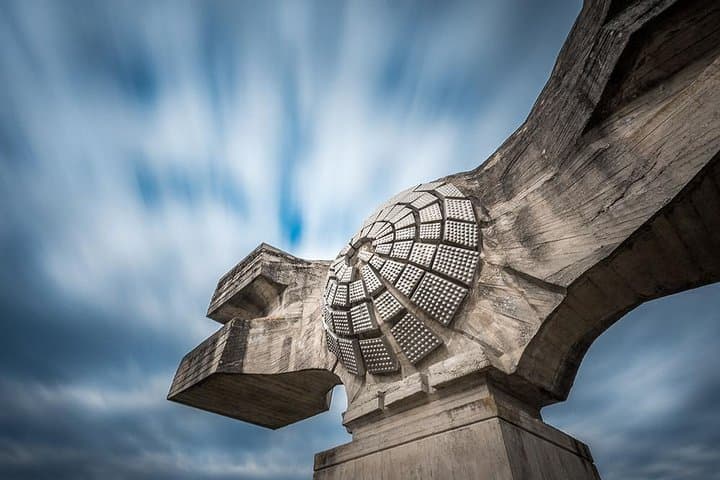
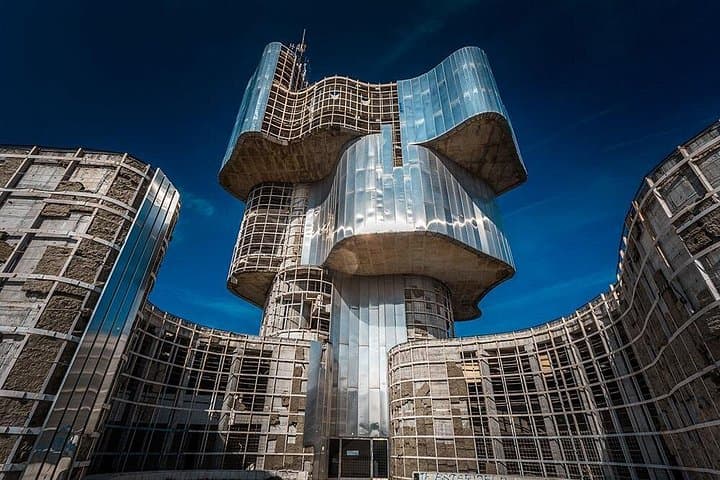
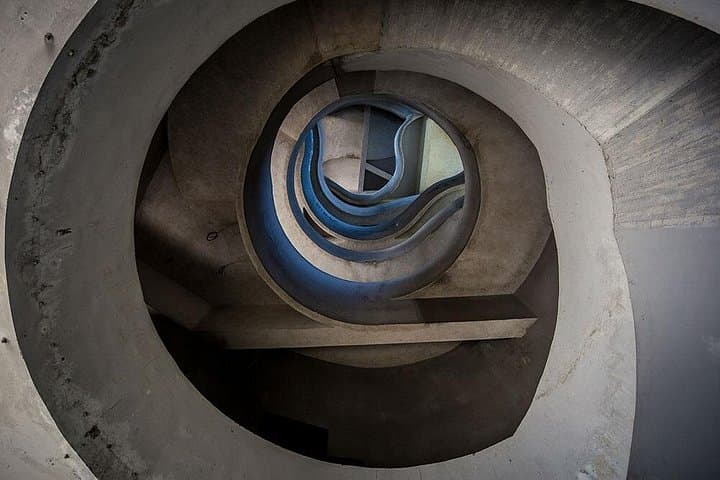
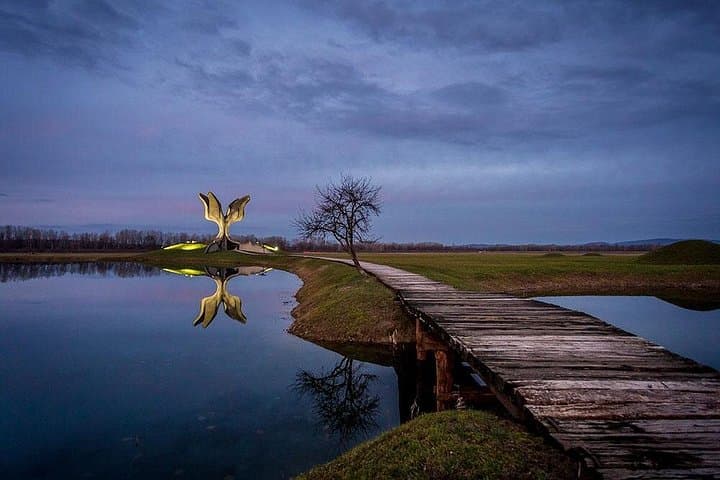
You step out of the private van onto a windswept ridge and a hulking concrete form looms against a wide sky — geometry and decay framed by scrub and pine. On a full-day photo tour from Zagreb, these remote spomeniks (Yugoslav-era monuments) dominate hilltops, offering sharp contrasts for photographers: brutalist silhouettes, flaking paint, and nature pressing at the seams.
You step out of the private van onto a windswept ridge and a hulking concrete form looms against a wide sky — geometry and decay framed by scrub and pine. On a full-day photo tour from Zagreb, these remote spomeniks (Yugoslav-era monuments) dominate hilltops, offering sharp contrasts for photographers: brutalist silhouettes, flaking paint, and nature pressing at the seams.
The monuments were commissioned after World War II across the former Yugoslavia as public memorials and symbols of collective resistance; many were built from the 1950s through the 1980s by avant-garde sculptors. Geologically, the sites sit on low karst ridges and rolling Pannonian foothills where limestone outcrops and patchy forest create dramatic light and easy vantage points. Culturally, the spomeniks are an uneasy relic — locally significant, internationally intriguing — and visits often include conversations about memory, heritage, and the region’s complex 20th-century history.
Practically, expect a long day (10–12 hours) with door-to-door private transfer from Zagreb, guided by a professional photographer who times stops for optimal light. Trails to viewpoints are short but uneven; bring sturdy shoes. A tripod and wide-to-telephoto lens cover compositions from sweeping panoramas to abstract detail. Respect memorial sites and local communities: some locations have limited access or sensitive memorial areas.
For photographers the reward is unusual subject matter in changing light, plus the freedom to explore remote roads and village stops between monuments. Plan for variable weather, limited on-site facilities, and an immersive, contemplative day of shooting that pairs history with stark, cinematic landscapes.