THE ADVENTURE COLLECTIVE® · Independent discovery and booking for outdoor travel

Walk Yufuin’s back roads with a private guide to Kinrin Lake, Bussanji Temple and the town’s hot-spring waterways. This three-hour tour pairs cultural history with accessible riverside scenery and ends with tea or lunch at a local ryokan.
Walk Yufuin’s back roads with a private guide to Kinrin Lake, Bussanji Temple and the town’s hot-spring waterways. This three-hour tour pairs cultural history with accessible riverside scenery and ends with tea or lunch at a local ryokan.
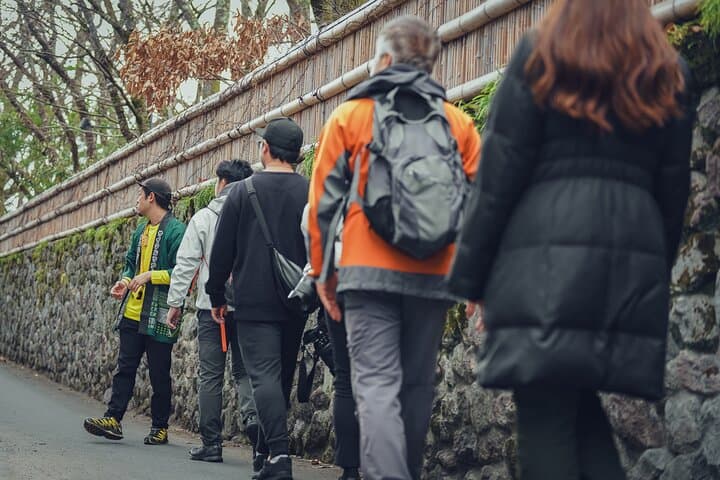
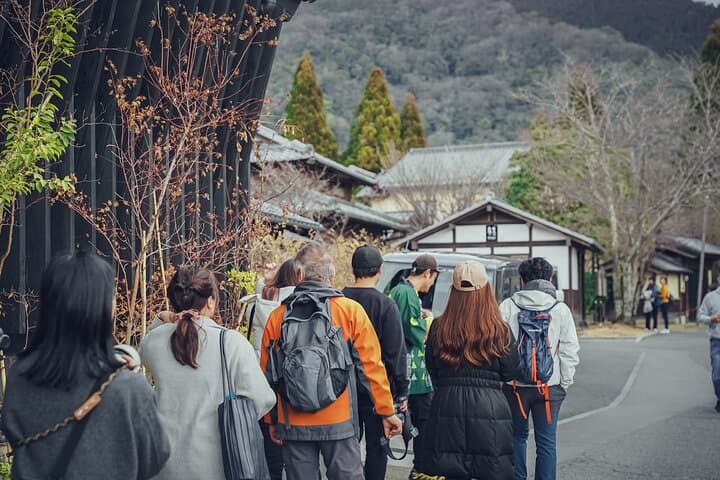
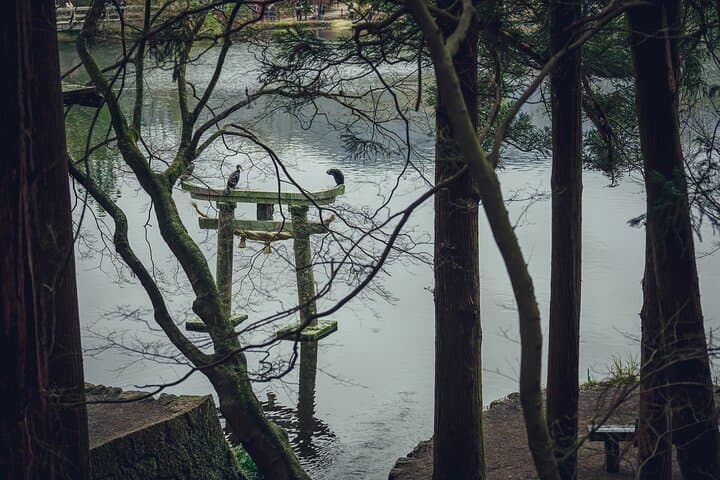
Mist lifts off the Oita River as the group steps away from the busy station and into Yufuin’s quieter alleys. Steam from hidden drains whispers under stone bridges, and the scent of hot springs threads the air. A local guide leads down narrow lanes past simple ryokan façades toward Kinrin Lake, where early light shivers on the surface and a torii gate stands like a pause between town and water.
Verified experiences and guided adventures in the surrounding area.
Operated by 株式会社VISIT九州 · Yufu, Oita Prefecture
Mist lifts off the Oita River as the group steps away from the busy station and into Yufuin’s quieter alleys. Steam from hidden drains whispers under stone bridges, and the scent of hot springs threads the air. A local guide leads down narrow lanes past simple ryokan façades toward Kinrin Lake, where early light shivers on the surface and a torii gate stands like a pause between town and water.
Yufuin grew as a rural spa village fed by volcanic groundwater from nearby Mount Yufu; Bussanji Temple and the cedar grove reflect centuries of local devotion and forestry. The town’s stone walls and channels were engineered to channel hot spring outflow for daily life—practical systems that now shape the town’s charm. Expect a mixture of paved streets, compact back roads, short stair sections and riverside paths.
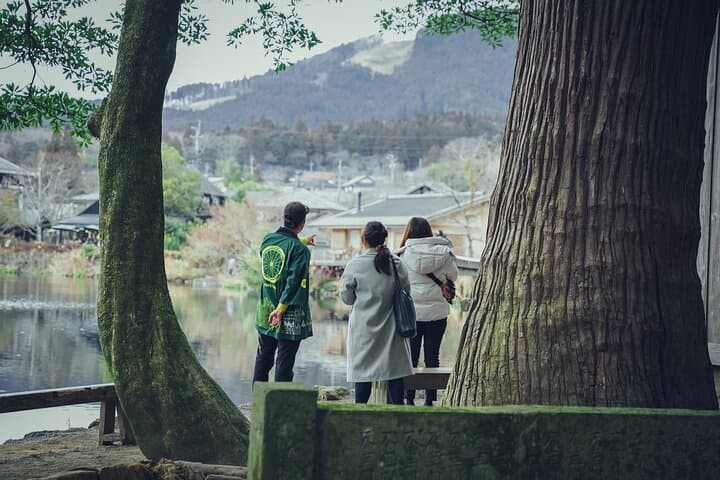
Practically, the three-hour private walk balances interpretation and pace: the guide will explain cultural context, point out a large cedar designated as a natural monument, and end at a ryokan for lunch or tea. Walkers should plan for modest distances (three to five kilometers total), light elevation change when approaching viewpoints, and frequent photo stops. Hydrate, wear grippy footwear for wet stones, and carry cash for small purchases at family shops.
This tour fits travelers who want close-up cultural immersion rather than a strenuous hike—an accessible way to read Yufuin’s landscape, listen to its waters, and learn why its springs have shaped local life.
easy.
3 hours.
Suitable for most fitness levels; minimal elevation and short walking distances over paved and compacted surfaces.
The tour lasts about three hours total, with roughly 3–5 km of walking at a relaxed pace including stops.
Yes—the route is low-impact and appropriate for most ages, though those with serious mobility issues should notify the operator in advance.
This tour focuses on exterior visits and interpretation; specific admission fees, if any, are noted by the operator in advance.
Yes—inform the operator during booking about allergies or dietary needs so they can coordinate with the ryokan.
Yufuin developed as a rural onsen town fed by volcanic springs from Mount Yufu; temples and ryokan grew around those waters over the Edo and Meiji periods.
Visitors should avoid contaminating hot-spring channels and respect ryokan wastewater systems; local guides emphasize leaving no trace and supporting small businesses.
株式会社VISIT九州 operates guided outdoor trips and adventures with an emphasis on safety, stewardship, and memorable experiences.
Mist lifts off the Oita River as the group steps away from the busy station and into Yufuin’s quieter alleys. Steam from hidden drains whispers under stone bridges, and the scent of hot springs threads the air. A local guide leads down narrow lanes past simple ryokan façades toward Kinrin Lake, where early light shivers on the surface and a torii gate stands like a pause between town and water.
Mist lifts off the Oita River as the group steps away from the busy station and into Yufuin’s quieter alleys. Steam from hidden drains whispers under stone bridges, and the scent of hot springs threads the air. A local guide leads down narrow lanes past simple ryokan façades toward Kinrin Lake, where early light shivers on the surface and a torii gate stands like a pause between town and water.
Yufuin grew as a rural spa village fed by volcanic groundwater from nearby Mount Yufu; Bussanji Temple and the cedar grove reflect centuries of local devotion and forestry. The town’s stone walls and channels were engineered to channel hot spring outflow for daily life—practical systems that now shape the town’s charm. Expect a mixture of paved streets, compact back roads, short stair sections and riverside paths.
Practically, the three-hour private walk balances interpretation and pace: the guide will explain cultural context, point out a large cedar designated as a natural monument, and end at a ryokan for lunch or tea. Walkers should plan for modest distances (three to five kilometers total), light elevation change when approaching viewpoints, and frequent photo stops. Hydrate, wear grippy footwear for wet stones, and carry cash for small purchases at family shops.
This tour fits travelers who want close-up cultural immersion rather than a strenuous hike—an accessible way to read Yufuin’s landscape, listen to its waters, and learn why its springs have shaped local life.