THE ADVENTURE COLLECTIVE® · Independent discovery and booking for outdoor travel

Spend a long day from Fukuoka exploring Yufuin’s quaint streets, a safari-style wildlife park, and Beppu’s volcanic “hells.” This structured tour pairs geology and culture with practical, time-efficient sightseeing.
Spend a long day from Fukuoka exploring Yufuin’s quaint streets, a safari-style wildlife park, and Beppu’s volcanic “hells.” This structured tour pairs geology and culture with practical, time-efficient sightseeing.
You step onto the coach in Fukuoka as the city slips behind you and the Kyushu foothills rise into green ridgelines.
Verified experiences and guided adventures in the surrounding area.
Operated by Scenic Bend · Fukuoka, Fukuoka Prefecture
You step onto the coach in Fukuoka as the city slips behind you and the Kyushu foothills rise into green ridgelines.
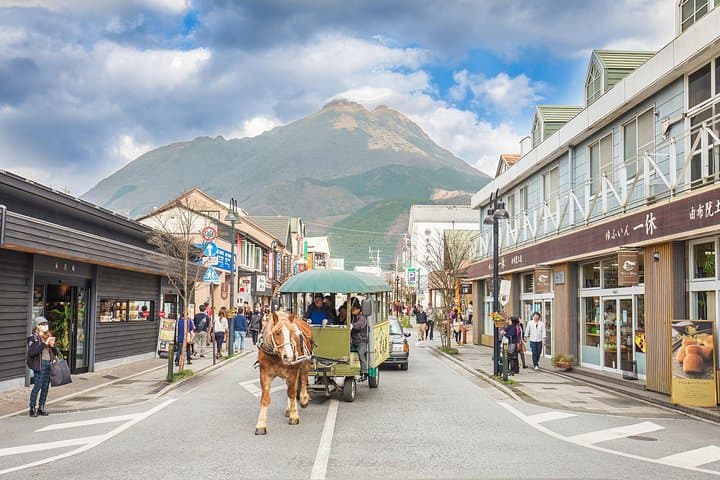
By midmorning the lane-lined streets of Yufuin open—artisanal cafés, Yunotsubo Street’s low storefronts, and Lake Kinrin’s steamy mirror drawing you toward thermal steam and quiet walks beside the Oita River.
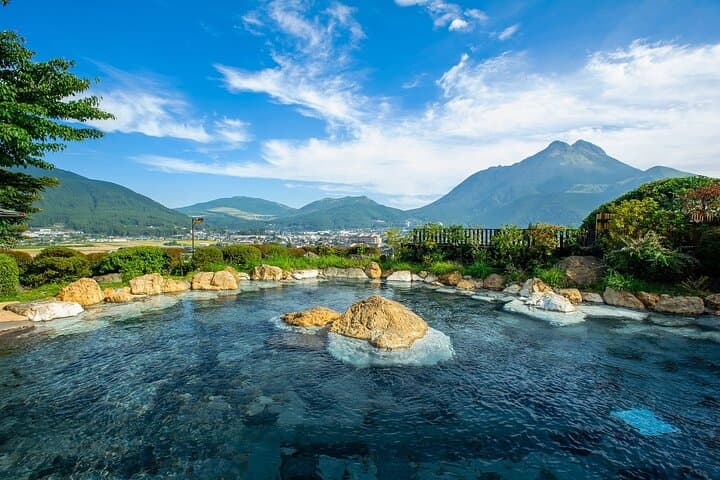
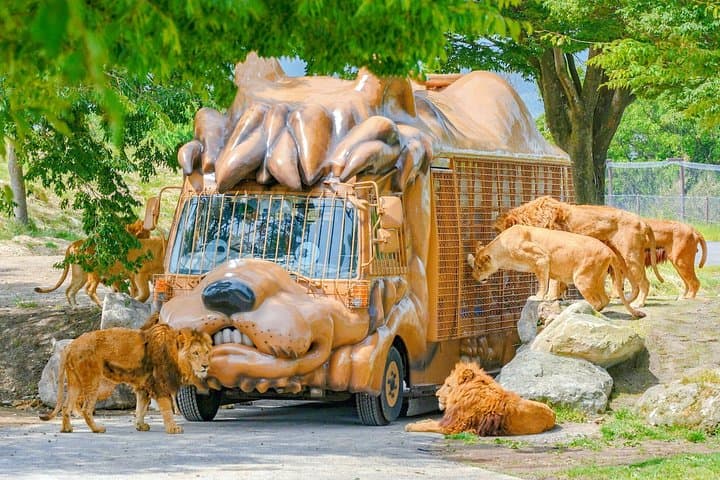
The route threads history and geology: Mt. Tsurumi’s eruptions shaped the Beppu basin, forcing groundwater to surface as the famous "hells"—vivid, boiling pools and geyser vents that have fed local onsen culture for centuries. The Kyushu Wildlife Park—Japan’s largest wild zoo—adds a different rhythm: safari-style viewing, close encounters at the small-animal area, and grassland species that feel more African than Japanese.
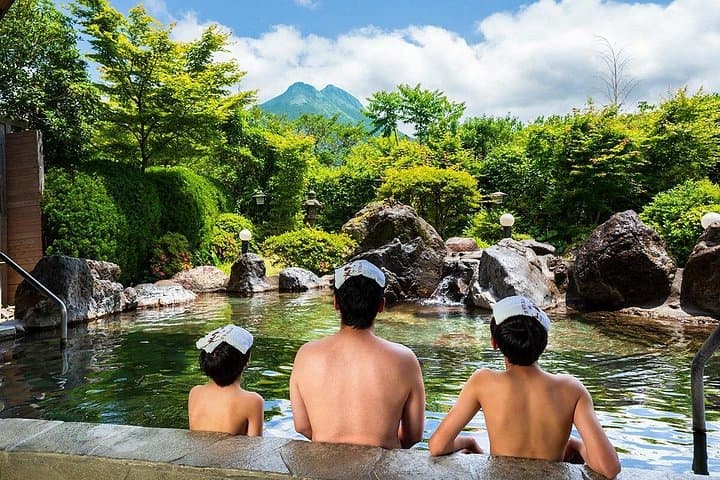
Culturally, the day balances slow onsen neighborhoods and hands-on wildlife moments; guides help translate etiquette around hot springs and feeding windows at the park. Expect several short walks (paved and gravel), time-limited stops, and a full-day schedule—this is a structured, shared tour rather than a loose exploration.
Practical guidance: carry cash for optional zoo fees and the jungle-bus, wear sturdy walking shoes and layered clothing for coastal winds, and plan for a 10–11 hour day with limited flexibility. If you have cardiovascular or pregnancy concerns, choose a different activity—the hot springs and crowded stops can be physically demanding. Bring a compact umbrella or light rain jacket in spring and summer, and keep your passport and valuables close when off the bus.
This itinerary is ideal for travelers who want a concentrated taste of Kyushu’s thermal geology, traditional onsen towns, and an accessible safari experience in a single day.
easy.
10–11 hours.
Suitable for most travelers with light walking ability; must handle several hours on your feet and short stairs.
Bilingual guide, vehicle service, and specified Beppu hell tickets (check booking details); zoo entrance and some park activities like the jungle bus are typically extra.
This is a day tour departing from a pickup point in Fukuoka with return to the same general area—your confirmation email lists exact pickup time and location.
Yes—physically it’s easy with short walks, but infants may need to sit on laps and elderly or those with heart conditions should take precautions around hot springs and long travel days.
Yes—there is time for lunch at Yufuin or near the safari park, but meals are at your own expense and schedules are time-limited.
Mt. Tsurumi’s eruptions shaped the Beppu basin over centuries; the region’s geothermal activity has long supported onsen culture and communal steam-cooking traditions.
Stick to designated walkways and don’t feed animals outside supervised areas; support park rules that separate visitors and animals to reduce stress and ecological impact.
Scenic Bend operates guided outdoor trips and adventures with an emphasis on safety, stewardship, and memorable experiences.
You step onto the coach in Fukuoka as the city slips behind you and the Kyushu foothills rise into green ridgelines.
You step onto the coach in Fukuoka as the city slips behind you and the Kyushu foothills rise into green ridgelines.
By midmorning the lane-lined streets of Yufuin open—artisanal cafés, Yunotsubo Street’s low storefronts, and Lake Kinrin’s steamy mirror drawing you toward thermal steam and quiet walks beside the Oita River.
The route threads history and geology: Mt. Tsurumi’s eruptions shaped the Beppu basin, forcing groundwater to surface as the famous "hells"—vivid, boiling pools and geyser vents that have fed local onsen culture for centuries. The Kyushu Wildlife Park—Japan’s largest wild zoo—adds a different rhythm: safari-style viewing, close encounters at the small-animal area, and grassland species that feel more African than Japanese.
Culturally, the day balances slow onsen neighborhoods and hands-on wildlife moments; guides help translate etiquette around hot springs and feeding windows at the park. Expect several short walks (paved and gravel), time-limited stops, and a full-day schedule—this is a structured, shared tour rather than a loose exploration.
Practical guidance: carry cash for optional zoo fees and the jungle-bus, wear sturdy walking shoes and layered clothing for coastal winds, and plan for a 10–11 hour day with limited flexibility. If you have cardiovascular or pregnancy concerns, choose a different activity—the hot springs and crowded stops can be physically demanding. Bring a compact umbrella or light rain jacket in spring and summer, and keep your passport and valuables close when off the bus.
This itinerary is ideal for travelers who want a concentrated taste of Kyushu’s thermal geology, traditional onsen towns, and an accessible safari experience in a single day.