THE ADVENTURE COLLECTIVE® · Independent discovery and booking for outdoor travel

Spend a day weaving Motul’s breakfast stalls, a historic henequén hacienda, the mangrove-ringed Xcambó ruins, the striking pink Laguna Rosada and the lively Malecón in Progreso. This curated loop pairs easy walks with coastal panoramas and cultural insights.
Spend a day weaving Motul’s breakfast stalls, a historic henequén hacienda, the mangrove-ringed Xcambó ruins, the striking pink Laguna Rosada and the lively Malecón in Progreso. This curated loop pairs easy walks with coastal panoramas and cultural insights.
Morning light hits Mérida’s colonial streets as the van pulls away, and within an hour the air shifts—drier, dusted with sea salt and the faint resin scent of henequén fields. The day unfolds like a map: Motul’s breakfast stands and narrow plazas, the shaded stone corridors of Hacienda San Eduardo, low-lying Mayan ruins at Xcambó framed by mangroves, the unnatural pink of Laguna Rosada, and finally the clap of Gulf waves at Progreso’s Malecón.
Verified experiences and guided adventures in the surrounding area.
Operated by Ekinox Tours · Mérida, Yucatán
Morning light hits Mérida’s colonial streets as the van pulls away, and within an hour the air shifts—drier, dusted with sea salt and the faint resin scent of henequén fields. The day unfolds like a map: Motul’s breakfast stands and narrow plazas, the shaded stone corridors of Hacienda San Eduardo, low-lying Mayan ruins at Xcambó framed by mangroves, the unnatural pink of Laguna Rosada, and finally the clap of Gulf waves at Progreso’s Malecón.
This loop threads together Yucatán’s layered past: henequén haciendas that powered the region’s 19th-century boom, pre-Columbian coastal trade routes, and centuries of salt harvest that still shape local livelihoods. Geologically the peninsula is porous limestone—so expect flat terrain punctuated by cenotes and brackish lagoons where sunlight makes salt pans gleam. Culturally the route highlights small-town foodways (Motul’s signature egg dishes) and coastal fishing traditions in Progreso.
Practically: it’s a full 8–9 hour day with multiple short walks—paved plazas, compact archaeological mounds, and flat salt flats—so pack sun protection, hydration, and a camera with polarizer for the lake’s reflections. Timing matters: bird activity and the pink tones intensify in low light; the Malecón is livelier late afternoon. Wear comfortable closed-toe shoes for hacienda grounds and light layers for breezy coastal evenings. Expect bilingual guidance, bottled water, and air-conditioned transport between stops. The pace is curated—history, landscape, and shoreline in a single, accessible day that leaves room for both photos and a cold drink on the pier.
easy.
8–9 hours.
Suitable for people with light fitness: able to stand and walk short distances (5–30 minutes) on flat or uneven ground.
The tour runs about 8–9 hours with several short walks at each stop (typically 10–30 minutes); most paths are flat but can be uneven.
Yes—it's rated easy and suitable for most ages, though those with mobility limits should note there are several short walks and steps at hacienda buildings.
Flamingos and other wading birds are frequently seen in the salt flats and pink lagoons, especially during cooler morning or late afternoon hours, but sightings are seasonal and not guaranteed.
Typical inclusions are bilingual guide, bottled water and air-conditioned transport; meals and some admissions may not be included—check booking details.
The Yucatán’s 19th-century henequén industry centered around haciendas like San Eduardo and reshaped local economy and architecture; Xcambó sits on a former coastal trading route used by the Maya.
Salt flats and mangroves are sensitive habitats—stick to paths, avoid disturbing birds, and use reef-safe sunscreen to reduce local impact.
Ekinox Tours operates guided outdoor trips and adventures with an emphasis on safety, stewardship, and memorable experiences.
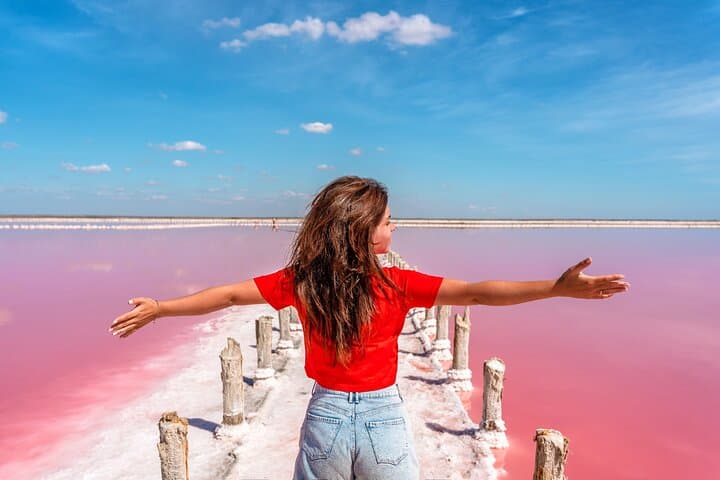

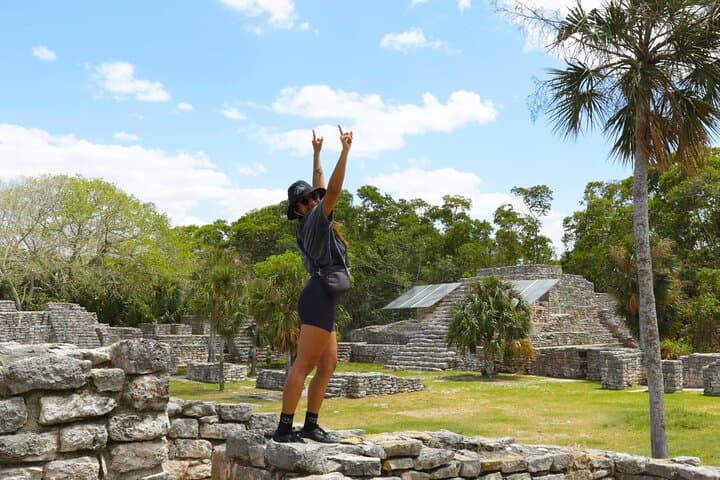
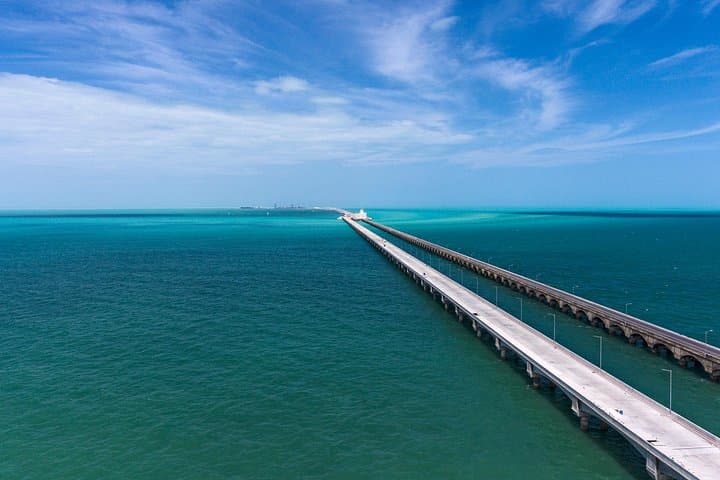
Morning light hits Mérida’s colonial streets as the van pulls away, and within an hour the air shifts—drier, dusted with sea salt and the faint resin scent of henequén fields. The day unfolds like a map: Motul’s breakfast stands and narrow plazas, the shaded stone corridors of Hacienda San Eduardo, low-lying Mayan ruins at Xcambó framed by mangroves, the unnatural pink of Laguna Rosada, and finally the clap of Gulf waves at Progreso’s Malecón.
Morning light hits Mérida’s colonial streets as the van pulls away, and within an hour the air shifts—drier, dusted with sea salt and the faint resin scent of henequén fields. The day unfolds like a map: Motul’s breakfast stands and narrow plazas, the shaded stone corridors of Hacienda San Eduardo, low-lying Mayan ruins at Xcambó framed by mangroves, the unnatural pink of Laguna Rosada, and finally the clap of Gulf waves at Progreso’s Malecón.
This loop threads together Yucatán’s layered past: henequén haciendas that powered the region’s 19th-century boom, pre-Columbian coastal trade routes, and centuries of salt harvest that still shape local livelihoods. Geologically the peninsula is porous limestone—so expect flat terrain punctuated by cenotes and brackish lagoons where sunlight makes salt pans gleam. Culturally the route highlights small-town foodways (Motul’s signature egg dishes) and coastal fishing traditions in Progreso.
Practically: it’s a full 8–9 hour day with multiple short walks—paved plazas, compact archaeological mounds, and flat salt flats—so pack sun protection, hydration, and a camera with polarizer for the lake’s reflections. Timing matters: bird activity and the pink tones intensify in low light; the Malecón is livelier late afternoon. Wear comfortable closed-toe shoes for hacienda grounds and light layers for breezy coastal evenings. Expect bilingual guidance, bottled water, and air-conditioned transport between stops. The pace is curated—history, landscape, and shoreline in a single, accessible day that leaves room for both photos and a cold drink on the pier.