THE ADVENTURE COLLECTIVE® · Independent discovery and booking for outdoor travel

Walk a historic mountain ridge above Yoshino where temple gates, a massive wooden hall, and seasonal displays of blue guardian statues meet regional sweets makers. This six-hour tour mixes steep stair climbs, shrine rituals, and local flavors.
Walk a historic mountain ridge above Yoshino where temple gates, a massive wooden hall, and seasonal displays of blue guardian statues meet regional sweets makers. This six-hour tour mixes steep stair climbs, shrine rituals, and local flavors.
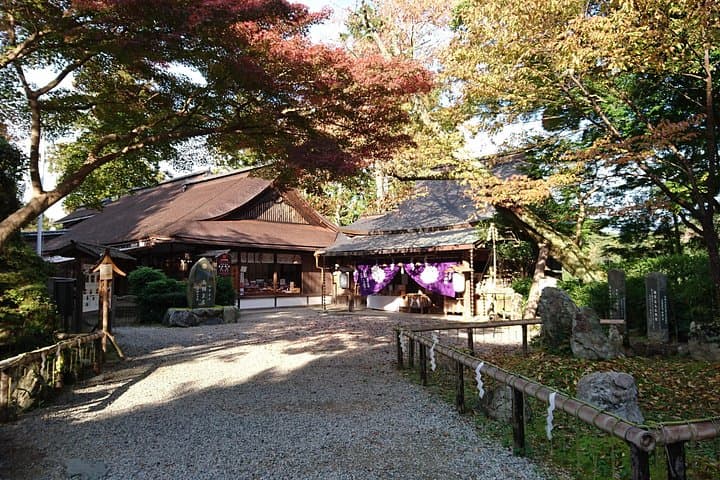
A low bus climb through mist and cedar brings you up to a ridge roughly 300 meters above sea level; the air smells faintly of wood smoke and persimmon leaves. Shops line a single main street, priests in worn robes move with deliberate steps, and the imposing Nio gate marks the threshold into Kinpusen-ji’s precincts.
Verified experiences and guided adventures in the surrounding area.
Operated by KAMNAVI Tours · Yoshino, Nara Prefecture
A low bus climb through mist and cedar brings you up to a ridge roughly 300 meters above sea level; the air smells faintly of wood smoke and persimmon leaves. Shops line a single main street, priests in worn robes move with deliberate steps, and the imposing Nio gate marks the threshold into Kinpusen-ji’s precincts.
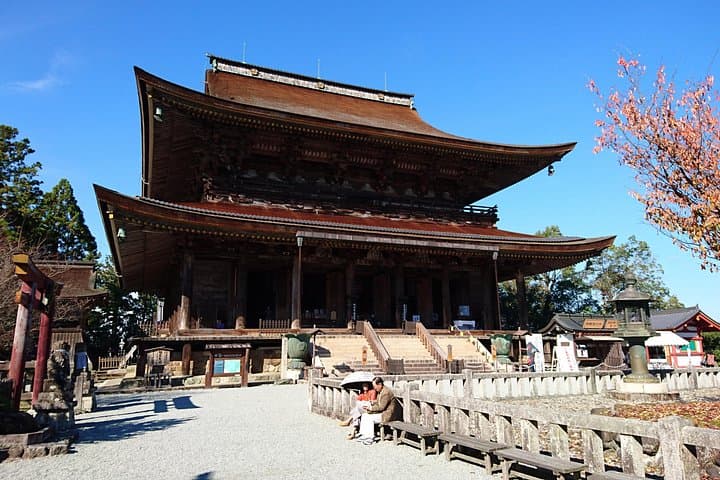
Kinpusen-ji’s Zao-do Hall—one of Japan’s largest wooden buildings—speaks to 9th-century mountain-building skills and Shugendō practice, a syncretic tradition mixing Buddhism, Shinto, and mountain asceticism. Each morning the monks perform Goma fire offerings (the tour often times this around 11:00), and in spring and fall the seven-meter blue Yao Gongen statues are shown to the public, a rare chance to study their paint and form up close.
Geology is simple but visible: steep volcanic ridges and terraced slopes that favor cherry groves; seasonal color—pink blossoms and autumn maples—frames narrow streets and temple stairs. Cultural touchpoints arrive as taste as well as sight: kakinoha-zushi (sushi wrapped in persimmon leaves) and arrowroot sweets made at Nakai Shunpudo are regional staples.
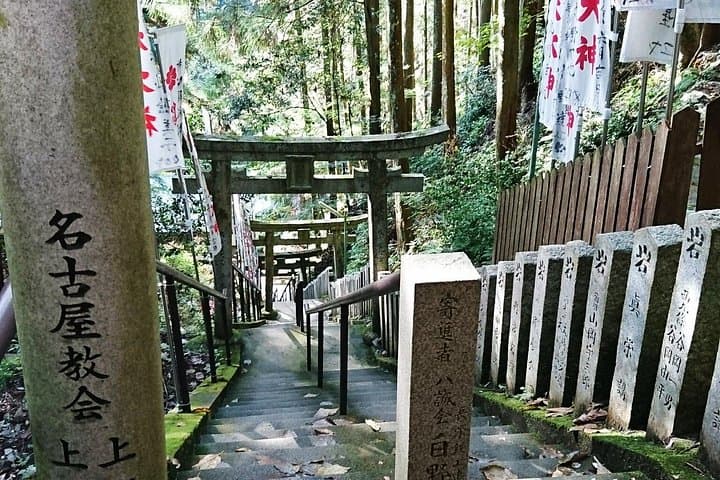
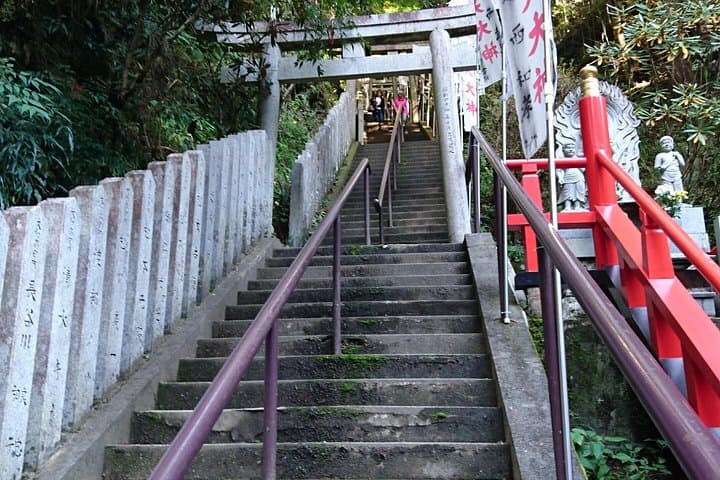
Practical side: expect roughly six hours of mixed walking and standing, with steep stair sections (about 460 steps on the Noten Okami descent). Wear sturdy shoes, bring water and cash for small shops and donations, and plan for public-transport returns to Nara, Osaka, or Kyoto in the late afternoon. The route blends easy urban walking with concentrated uphill effort—respect temple etiquette, keep noise low during rituals, and give extra time on busy cherry-peak days.
moderate.
6 hours.
Moderate fitness: able to manage multiple stair sections and sustained walking over uneven ground
Take a train to Yoshino Station (via Kintetsu lines from Osaka or Nara), then a short bus or cable-bus climb and a final short walk to the village ridge.
No—these seven-meter blue statues are exhibited to the public only in spring and fall; otherwise you can still view the Zao-do Hall and other temple features.
This itinerary involves steep slopes and many steps and is not recommended for those with significant mobility limitations; infants may ride in strollers on flatter sections but expect lifts or carrying on stairs.
Yes—kakinoha-zushi (persimmon-leaf sushi) and arrowroot sweets are local specialties often included as stops or available at small shops along the route.
Yoshino has been a Shugendō center for over a millennium; Kinpusen-ji’s Zao-do Hall dates back to early mountain-priest traditions and the southern court used imperial rooms here in the 14th century.
Cherry seasons draw heavy foot traffic—stick to designated paths, avoid picking blossoms, carry out trash, and respect temple grounds to minimize impact.
KAMNAVI Tours operates guided outdoor trips and adventures with an emphasis on safety, stewardship, and memorable experiences.
A low bus climb through mist and cedar brings you up to a ridge roughly 300 meters above sea level; the air smells faintly of wood smoke and persimmon leaves. Shops line a single main street, priests in worn robes move with deliberate steps, and the imposing Nio gate marks the threshold into Kinpusen-ji’s precincts.
A low bus climb through mist and cedar brings you up to a ridge roughly 300 meters above sea level; the air smells faintly of wood smoke and persimmon leaves. Shops line a single main street, priests in worn robes move with deliberate steps, and the imposing Nio gate marks the threshold into Kinpusen-ji’s precincts.
Kinpusen-ji’s Zao-do Hall—one of Japan’s largest wooden buildings—speaks to 9th-century mountain-building skills and Shugendō practice, a syncretic tradition mixing Buddhism, Shinto, and mountain asceticism. Each morning the monks perform Goma fire offerings (the tour often times this around 11:00), and in spring and fall the seven-meter blue Yao Gongen statues are shown to the public, a rare chance to study their paint and form up close.
Geology is simple but visible: steep volcanic ridges and terraced slopes that favor cherry groves; seasonal color—pink blossoms and autumn maples—frames narrow streets and temple stairs. Cultural touchpoints arrive as taste as well as sight: kakinoha-zushi (sushi wrapped in persimmon leaves) and arrowroot sweets made at Nakai Shunpudo are regional staples.
Practical side: expect roughly six hours of mixed walking and standing, with steep stair sections (about 460 steps on the Noten Okami descent). Wear sturdy shoes, bring water and cash for small shops and donations, and plan for public-transport returns to Nara, Osaka, or Kyoto in the late afternoon. The route blends easy urban walking with concentrated uphill effort—respect temple etiquette, keep noise low during rituals, and give extra time on busy cherry-peak days.