THE ADVENTURE COLLECTIVE® · Independent discovery and booking for outdoor travel

Explore Yosemite’s winter landscape on a private guided hike or snowshoe trip tailored to your group. Enjoy compacted valley trails, frozen waterfalls, and panoramic granite views with snowshoes and poles provided.
Explore Yosemite’s winter landscape on a private guided hike or snowshoe trip tailored to your group. Enjoy compacted valley trails, frozen waterfalls, and panoramic granite views with snowshoes and poles provided.
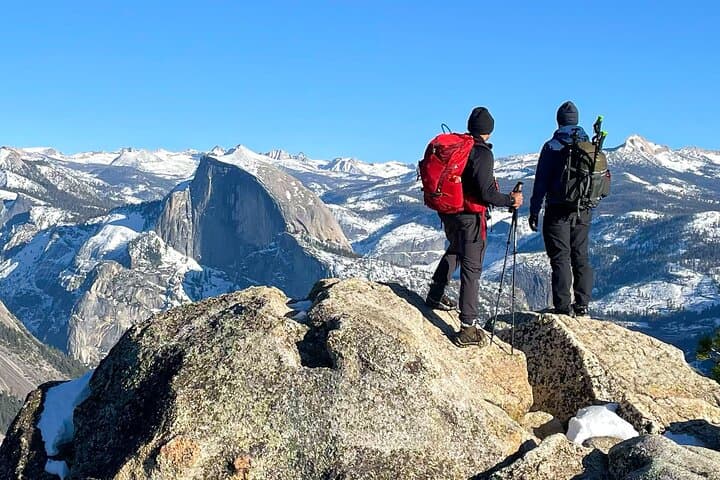
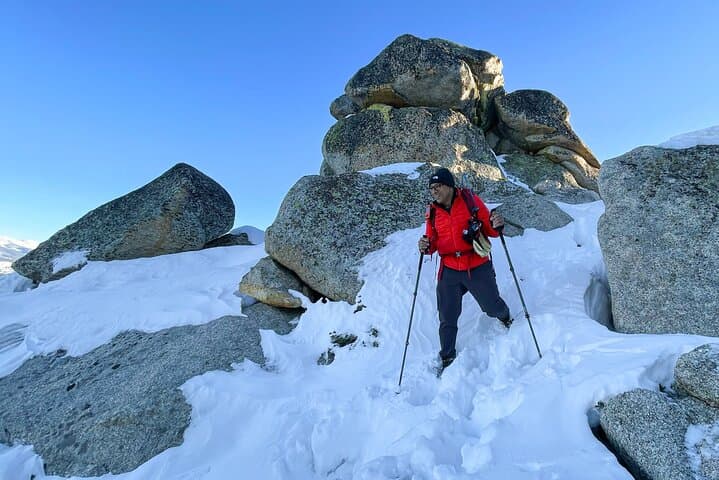
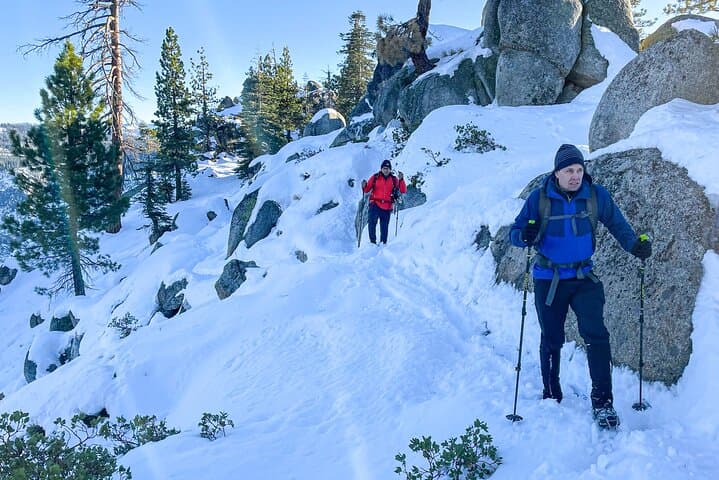
The air snaps cold and clean as you step onto a snow-dusted trail, granite cliffs rising like slow-moving tides above a hush of pines. Your guide tests the wind, points to a frozen ribbon of waterfall, and the group adjusts gaiters and poles—this is Yosemite in its quietest season, where trails narrow under fresh snow and the valley’s usual roar becomes a measured murmur.
Verified experiences and guided adventures in the surrounding area.
Operated by Wild Yosemite · Yosemite Valley, California
The air snaps cold and clean as you step onto a snow-dusted trail, granite cliffs rising like slow-moving tides above a hush of pines. Your guide tests the wind, points to a frozen ribbon of waterfall, and the group adjusts gaiters and poles—this is Yosemite in its quietest season, where trails narrow under fresh snow and the valley’s usual roar becomes a measured murmur.
Geology here reads like a slow, monumental story: glacial-carved domes, vertical granite faces, and broad valley floors carved over millennia. Winter exposes a different chapter—frozen falls, compacted river ice, and talus slopes dusted in white. The park’s cultural history—Ahwahneechee stewardship, early preservation debates, and the rise of mountaineering—threads the landscape; guides often share anecdotes that connect place names to people and seasons.
Expect variable terrain: packed valley walks, meadow traverses, and steeper granite approaches if conditions allow. Typical outings span 3–8 miles with 200–1,000 ft of elevation gain depending on route and group pace. Snowshoes and poles are provided; the guide adapts pace, route, and objectives to your fitness and interests.
Practical notes: dress in breathable, insulating layers; bring 1.5–2 liters of water and high-energy snacks; allow extra time for route-finding in deep snow. Morning light is crisp and steadier for travel; afternoons can bring wind or flat light. With preparation, a winter day here feels intimate and elemental—rivers dare you to listen, cliffs hold their quiet, and every step leaves a clear story in the snow.
moderate.
4–8 hours.
Should be comfortable hiking 3–8 miles with intermittent elevation gain in cold, snowy conditions; a moderate aerobic base and steady balance help.
Yes—snowshoes and poles are provided when conditions require them; bring suitable boots to pair with rental snowshoes.
The booking includes a reservation for Yosemite on the day of the activity, but you should carry your booking confirmation to present at the park entrance.
Guides provide basic instruction on snowshoe technique and will select routes appropriate to your comfort level, so prior experience is not required.
Trips are tailored to fitness and interests; typical outings are moderate in effort but can be shortened or lengthened by the guide based on conditions and group ability.
Yosemite’s valley and high country have been shaped by glaciation and human stewardship for millennia; the Ahwahneechee people and early conservationists both left strong marks on park policy and place names.
Winter visits concentrate use on durable routes; stick to compacted trails to protect dormant vegetation and minimize disturbance to wildlife during a resource-stressed season.
Wild Yosemite operates guided outdoor trips and adventures with an emphasis on safety, stewardship, and memorable experiences.

The air snaps cold and clean as you step onto a snow-dusted trail, granite cliffs rising like slow-moving tides above a hush of pines. Your guide tests the wind, points to a frozen ribbon of waterfall, and the group adjusts gaiters and poles—this is Yosemite in its quietest season, where trails narrow under fresh snow and the valley’s usual roar becomes a measured murmur.
The air snaps cold and clean as you step onto a snow-dusted trail, granite cliffs rising like slow-moving tides above a hush of pines. Your guide tests the wind, points to a frozen ribbon of waterfall, and the group adjusts gaiters and poles—this is Yosemite in its quietest season, where trails narrow under fresh snow and the valley’s usual roar becomes a measured murmur.
Geology here reads like a slow, monumental story: glacial-carved domes, vertical granite faces, and broad valley floors carved over millennia. Winter exposes a different chapter—frozen falls, compacted river ice, and talus slopes dusted in white. The park’s cultural history—Ahwahneechee stewardship, early preservation debates, and the rise of mountaineering—threads the landscape; guides often share anecdotes that connect place names to people and seasons.
Expect variable terrain: packed valley walks, meadow traverses, and steeper granite approaches if conditions allow. Typical outings span 3–8 miles with 200–1,000 ft of elevation gain depending on route and group pace. Snowshoes and poles are provided; the guide adapts pace, route, and objectives to your fitness and interests.
Practical notes: dress in breathable, insulating layers; bring 1.5–2 liters of water and high-energy snacks; allow extra time for route-finding in deep snow. Morning light is crisp and steadier for travel; afternoons can bring wind or flat light. With preparation, a winter day here feels intimate and elemental—rivers dare you to listen, cliffs hold their quiet, and every step leaves a clear story in the snow.