THE ADVENTURE COLLECTIVE® · Independent discovery and booking for outdoor travel

Explore York beyond the postcard: an interpretive 75-minute walking tour that reveals concealed courtyards, untold stories of Guy Fawkes and local outlaws, and finishes with a chocolate taster that nods to the city’s confectionery past.
Explore York beyond the postcard: an interpretive 75-minute walking tour that reveals concealed courtyards, untold stories of Guy Fawkes and local outlaws, and finishes with a chocolate taster that nods to the city’s confectionery past.
A light rain hushes the flagstones as the group gathers beneath the looming face of York Minster; the guide’s voice threads through the alleys and narrow snickelways, coaxing stories out of stone and sign. The city smells faintly of baking and cocoa as you step off main streets into tucked-away courtyards where plaques and quirky statues keep their own counsel.
Verified experiences and guided adventures in the surrounding area.
Operated by Enthral Experiences · York, North Yorkshire
A light rain hushes the flagstones as the group gathers beneath the looming face of York Minster; the guide’s voice threads through the alleys and narrow snickelways, coaxing stories out of stone and sign. The city smells faintly of baking and cocoa as you step off main streets into tucked-away courtyards where plaques and quirky statues keep their own counsel.
York began as Roman Eboracum, later a medieval powerhouse in wool and trade, and the layer-cake of history is visible in its street plan, timber-framed buildings and the defensive city walls. Geologically, York sits on Permian and Carboniferous sandstones and clays that gave rise to the soft cobbles and river terraces beside the Ouse; these materials shaped roads, drainage and the awkward pitches of some alleys.
Culturally the city carries its contradictions: grand Minster architecture beside rowdy market lanes, and a surprisingly deep chocolate heritage—Rowntree and Terry’s factories put York on the confectionery map, and that history is the savoury endnote of the walk.
Practical guidance: expect 70–75 minutes of moderate walking over roughly 1.5–2.5 km on uneven cobbles and short steps. Wear grippy shoes, bring a light layer and a small water bottle, and allow time for photos at the Shambles, Stonegate and Museum Gardens. The tour moves at an interpretive pace—stops for stories and a single chocolate taster are included—so it’s ideal for visitors who can manage repeated brief standing periods and short stairs.
Arrive 10 minutes early; public transport and central parking make the city centre easy to reach, but cobbles and narrow lanes limit stroller and wheelchair access in parts of the route.
moderate.
1–1.5 hours.
Able to walk 1.5–2.5 km on uneven cobbles and stand for short interpretive stops; moderate cardiovascular fitness recommended
The guided walk lasts about 70–75 minutes and covers approximately 1.5–2.5 km through city centre streets and gardens.
Yes for most children and older adults who can manage short periods of standing and walking on uneven surfaces; parts of the route include steps and narrow lanes.
Full refunds are available if you cancel at least 24 hours before the scheduled start; bookings made within 24 hours are non-refundable per the operator policy.
The operator can usually accommodate common dietary requests—notify them at booking so alternatives or ingredient details can be provided.
York was founded as the Roman city Eboracum and evolved into a medieval commercial hub; the city later became central to Britain’s chocolate industry through companies like Rowntree and Terry.
High footfall on historic streets stresses timber frames and stonework—stay on paved paths, avoid climbing walls, and support local businesses to help maintain the urban heritage.
Enthral Experiences operates guided outdoor trips and adventures with an emphasis on safety, stewardship, and memorable experiences.

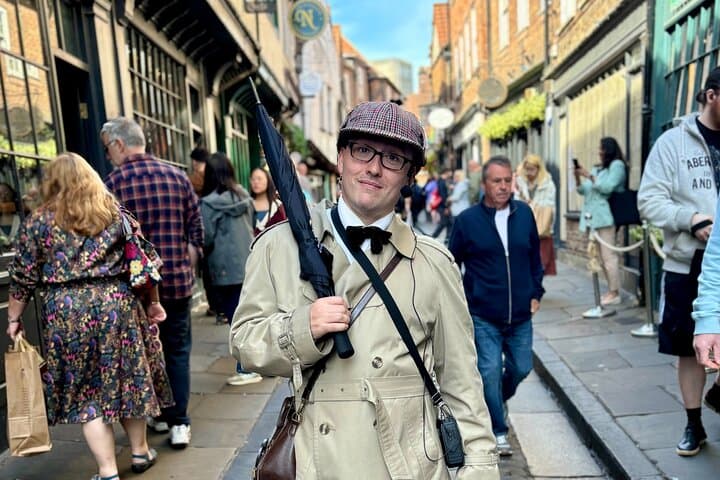
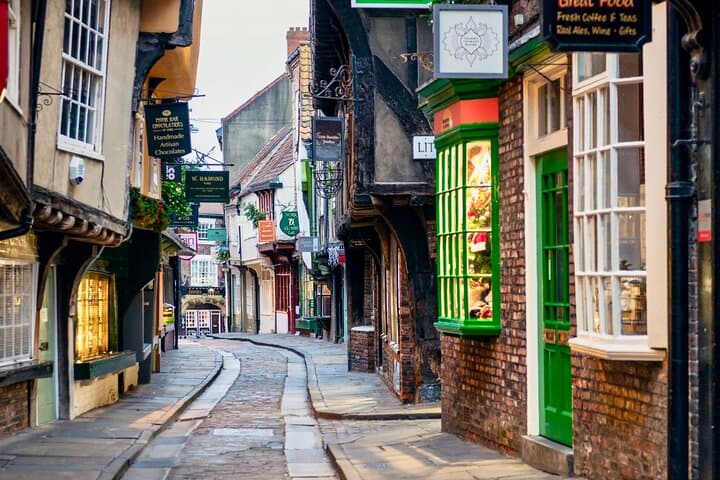
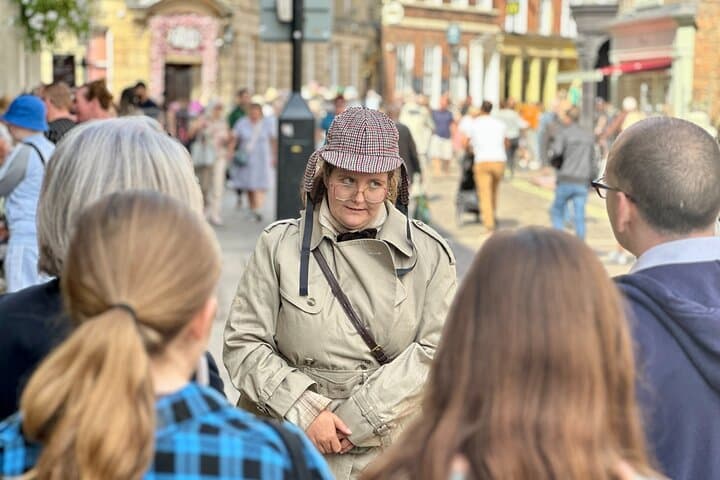
A light rain hushes the flagstones as the group gathers beneath the looming face of York Minster; the guide’s voice threads through the alleys and narrow snickelways, coaxing stories out of stone and sign. The city smells faintly of baking and cocoa as you step off main streets into tucked-away courtyards where plaques and quirky statues keep their own counsel.
A light rain hushes the flagstones as the group gathers beneath the looming face of York Minster; the guide’s voice threads through the alleys and narrow snickelways, coaxing stories out of stone and sign. The city smells faintly of baking and cocoa as you step off main streets into tucked-away courtyards where plaques and quirky statues keep their own counsel.
York began as Roman Eboracum, later a medieval powerhouse in wool and trade, and the layer-cake of history is visible in its street plan, timber-framed buildings and the defensive city walls. Geologically, York sits on Permian and Carboniferous sandstones and clays that gave rise to the soft cobbles and river terraces beside the Ouse; these materials shaped roads, drainage and the awkward pitches of some alleys.
Culturally the city carries its contradictions: grand Minster architecture beside rowdy market lanes, and a surprisingly deep chocolate heritage—Rowntree and Terry’s factories put York on the confectionery map, and that history is the savoury endnote of the walk.
Practical guidance: expect 70–75 minutes of moderate walking over roughly 1.5–2.5 km on uneven cobbles and short steps. Wear grippy shoes, bring a light layer and a small water bottle, and allow time for photos at the Shambles, Stonegate and Museum Gardens. The tour moves at an interpretive pace—stops for stories and a single chocolate taster are included—so it’s ideal for visitors who can manage repeated brief standing periods and short stairs.
Arrive 10 minutes early; public transport and central parking make the city centre easy to reach, but cobbles and narrow lanes limit stroller and wheelchair access in parts of the route.