THE ADVENTURE COLLECTIVE® · Independent discovery and booking for outdoor travel

Combine a hands-on sushi workshop with a visit to Munakata Taisha and a dramatic night cruise of Kitakyushu’s industrial waterfront. This full-day YokaBus tour links culinary technique, centuries-old ritual, and luminous harbor views.
Combine a hands-on sushi workshop with a visit to Munakata Taisha and a dramatic night cruise of Kitakyushu’s industrial waterfront. This full-day YokaBus tour links culinary technique, centuries-old ritual, and luminous harbor views.
Step off the platform at Hakata Station and the day opens like a map of northern Kyushu — salt on the air, diesel hum from the bus, and the promise of hands-on sushi craft before sunset sets the industrial waterfront alight.
Verified experiences and guided adventures in the surrounding area.
Operated by H.I.S.Co., Ltd. · Fukuoka, Fukuoka Prefecture
Step off the platform at Hakata Station and the day opens like a map of northern Kyushu — salt on the air, diesel hum from the bus, and the promise of hands-on sushi craft before sunset sets the industrial waterfront alight.
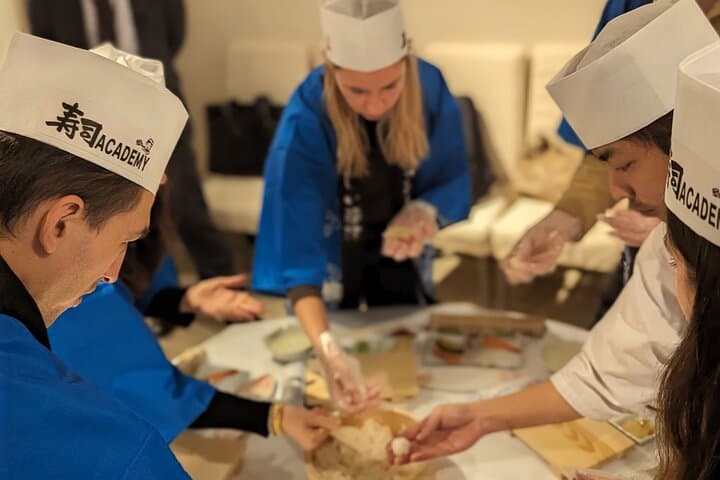
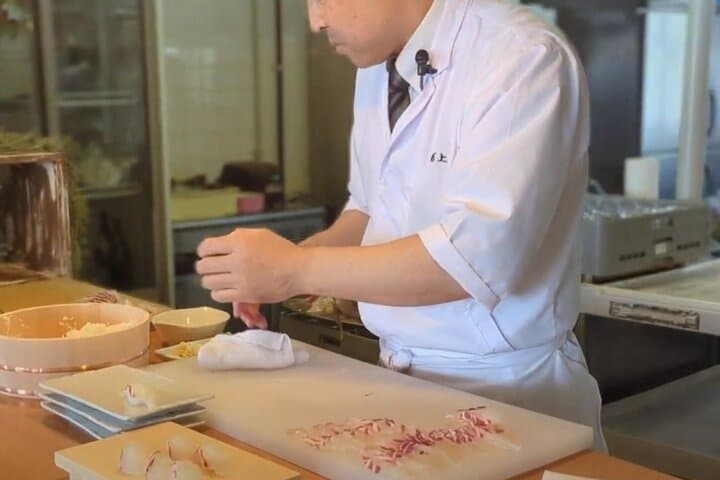
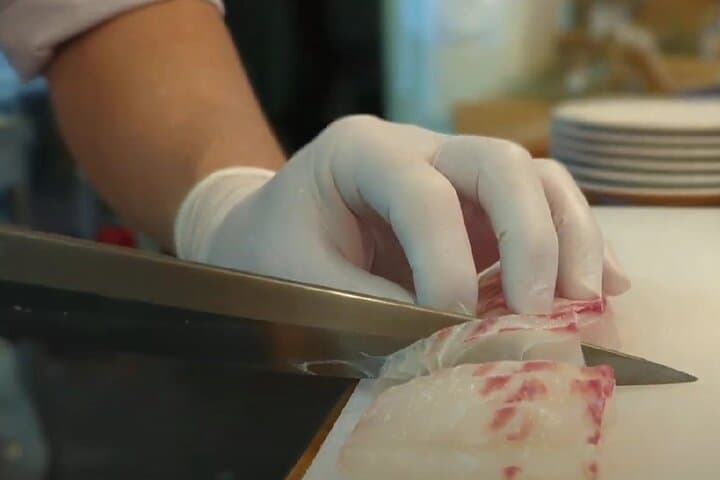
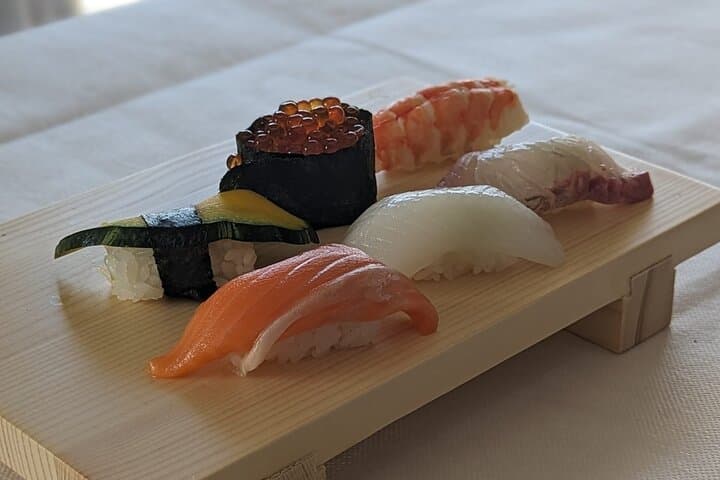
The morning centers on technique: a professional Sushi Academy in Fukutsu teaches rice seasoning, knife work, and nigiri shaping. You’ll eat what you make, feeling the clean geometry of fish and vinegared rice on your palate.
Afternoon brings a quieter pace at Munakata Taisha, a UNESCO-recognized Shinto complex with roots stretching back over a millennium. The shrine’s cedar groves and shrine architecture reflect the region’s maritime history — these guardian goddesses were worshipped by sailors who crossed the Genkai Sea. Nearby Michi-no-Eki Munakata highlights contemporary local life: markets, fresh seafood, and snacks that point to Fukuoka’s coastal cuisine.
As evening falls, a Kokura/Mojiko port cruise rewrites the skyline: factories and cranes illuminated like working constellations, their reflections cutting across the water. The contrast between sacred shrine quiet and industrial nightlight is Kitakyushu’s unusual appeal.
Practical guidance: this is a long day (roughly 10–11 hours) with short walking segments and one seated cruise. Bring a light jacket — wind off the sea sharpens after dark — and notify the operator in advance of any food allergies. Comfortable shoes and a portable charger keep you mobile and connected. Timings may shift with traffic; plan for flexible pickup and an evening return to Hakata. With a mix of hands-on food culture, spiritual history, and urban seascape, the tour delivers a rounded snapshot of northern Kyushu.
easy.
10–11 hours.
Minimal fitness required — mostly short, easy walks and seated transfers; suitable for most travelers
Pick-up and drop-off are arranged at Hakata Station in Fukuoka; exact meeting point will be provided on your voucher.
Yes, but you must notify the operator in advance so instructors can adjust the sushi workshop and lunch where possible.
The cruise is along calm harbor waters but can involve gentle motion; bring motion-sickness medication if you are sensitive.
An English-speaking guide is included, but regional staff at local stops may have limited English; translation apps are helpful.
Munakata Taisha has been a maritime pilgrimage center for over 1,500 years; Kitakyushu’s portscape grew rapidly during Japan’s industrialization in the 20th century.
Okinoshima is strictly protected; visitors are asked to respect restricted areas and local customs, while port authorities run initiatives to reduce light and water pollution during marine operations.
H.I.S.Co., Ltd. operates guided outdoor trips and adventures with an emphasis on safety, stewardship, and memorable experiences.
Step off the platform at Hakata Station and the day opens like a map of northern Kyushu — salt on the air, diesel hum from the bus, and the promise of hands-on sushi craft before sunset sets the industrial waterfront alight.
Step off the platform at Hakata Station and the day opens like a map of northern Kyushu — salt on the air, diesel hum from the bus, and the promise of hands-on sushi craft before sunset sets the industrial waterfront alight.
The morning centers on technique: a professional Sushi Academy in Fukutsu teaches rice seasoning, knife work, and nigiri shaping. You’ll eat what you make, feeling the clean geometry of fish and vinegared rice on your palate.
Afternoon brings a quieter pace at Munakata Taisha, a UNESCO-recognized Shinto complex with roots stretching back over a millennium. The shrine’s cedar groves and shrine architecture reflect the region’s maritime history — these guardian goddesses were worshipped by sailors who crossed the Genkai Sea. Nearby Michi-no-Eki Munakata highlights contemporary local life: markets, fresh seafood, and snacks that point to Fukuoka’s coastal cuisine.
As evening falls, a Kokura/Mojiko port cruise rewrites the skyline: factories and cranes illuminated like working constellations, their reflections cutting across the water. The contrast between sacred shrine quiet and industrial nightlight is Kitakyushu’s unusual appeal.
Practical guidance: this is a long day (roughly 10–11 hours) with short walking segments and one seated cruise. Bring a light jacket — wind off the sea sharpens after dark — and notify the operator in advance of any food allergies. Comfortable shoes and a portable charger keep you mobile and connected. Timings may shift with traffic; plan for flexible pickup and an evening return to Hakata. With a mix of hands-on food culture, spiritual history, and urban seascape, the tour delivers a rounded snapshot of northern Kyushu.