THE ADVENTURE COLLECTIVE® · Independent discovery and booking for outdoor travel

Spend a full day outside Fukuoka sampling peonies, shrines, matcha-making and local wines on this guided shared bus tour. It blends short walks with curated tastings and cultural stops—ideal for travelers who want hands-on experiences without the logistics.
Spend a full day outside Fukuoka sampling peonies, shrines, matcha-making and local wines on this guided shared bus tour. It blends short walks with curated tastings and cultural stops—ideal for travelers who want hands-on experiences without the logistics.
On an early morning departure from Fukuoka, the bus eases onto country roads and the air shifts: rice fields and low hills take over the skyline, and roadside stalls begin to chatter with activity. The first stop, Shimizu-dera Honbo Garden, confronts visitors with a full bloom of peonies that push color into the landscape like a bold promise.
Verified experiences and guided adventures in the surrounding area.
On an early morning departure from Fukuoka, the bus eases onto country roads and the air shifts: rice fields and low hills take over the skyline, and roadside stalls begin to chatter with activity. The first stop, Shimizu-dera Honbo Garden, confronts visitors with a full bloom of peonies that push color into the landscape like a bold promise.
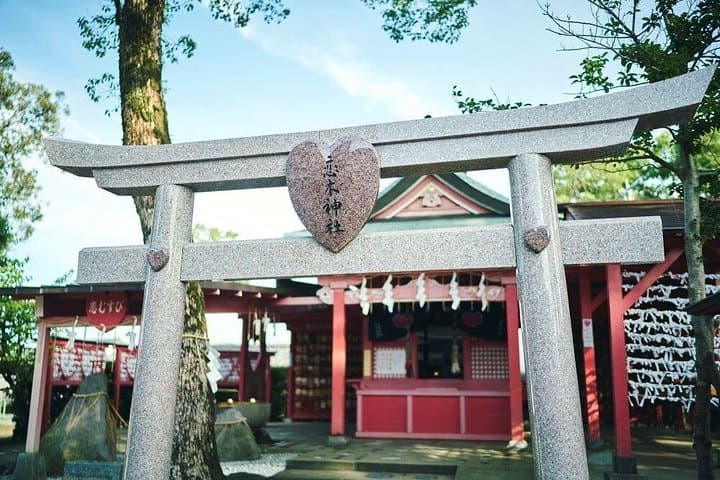
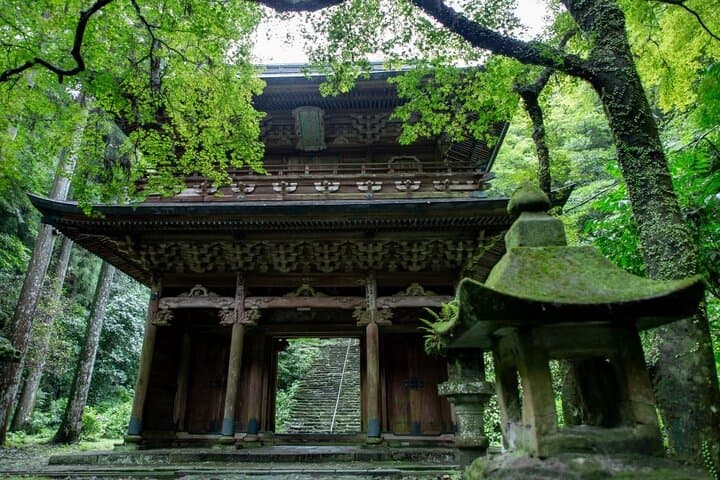
The route threads through local culture rather than skimming tourist highlights. Travelers pass markets at Kawa no Eki Funagoya where regional producers sell pickles, crafts and the season’s fruit; they pause at Mizuta Tenmangu, a Tenjin shrine that links the area to the Heian-era scholar Sugawara no Michizane and a long tradition of reverence for learning. Geology here is gentle—low rolling hills carved by small rivers—so the journey feels pastoral rather than alpine.
Practicality guides the day: a sit-down lunch in Hirakawa showcases local ingredients, Tachibana Wine offers a concise tasting alongside a playful Amaou jelly stuffing station, and Oku Yame Cha no Hado provides a hands-on matcha preparation lesson that connects technique with terroir. Expect short walks, shrine steps and indoor tasting rooms—nothing technical, but bring sensible shoes and a small daypack.
Timing matters: the tour runs about 8–9 hours with multiple short stops; champagne-speed travelers will feel rushed at tastings and tea workshops. Hydration, yen in small bills for souvenirs, and a light rain layer will keep the day smooth. The guide’s local knowledge turns each stop from a photo op into an entry point for tasting, history and craft.
easy.
8–9 hours.
Suitable for most fitness levels; requires walking short distances and climbing modest shrine steps.
Most shared departures originate in central Fukuoka; your confirmation will list the exact meeting point and return time.
Yes—lunch, garden admission and the listed tastings (wine and Amaou jelly activity) plus the matcha experience are included in the tour price.
The tour notes wheelchair and stroller accessibility, but individual sites may have steps—contact the operator ahead if you require full barrier-free access.
An in-person English-speaking guide is included; check at booking for additional language support.
Mizuta Tenmangu is part of the network of Tenjin shrines honoring Sugawara no Michizane, reflecting centuries of local devotion to scholarship and seasonal festivals.
Support local producers by buying directly at markets, pack out any waste, and stick to paths in gardens to protect cultivated beds and nearby riparian zones.
NISHITETSU TRAVEL operates guided outdoor trips and adventures with an emphasis on safety, stewardship, and memorable experiences.
On an early morning departure from Fukuoka, the bus eases onto country roads and the air shifts: rice fields and low hills take over the skyline, and roadside stalls begin to chatter with activity. The first stop, Shimizu-dera Honbo Garden, confronts visitors with a full bloom of peonies that push color into the landscape like a bold promise.
On an early morning departure from Fukuoka, the bus eases onto country roads and the air shifts: rice fields and low hills take over the skyline, and roadside stalls begin to chatter with activity. The first stop, Shimizu-dera Honbo Garden, confronts visitors with a full bloom of peonies that push color into the landscape like a bold promise.
The route threads through local culture rather than skimming tourist highlights. Travelers pass markets at Kawa no Eki Funagoya where regional producers sell pickles, crafts and the season’s fruit; they pause at Mizuta Tenmangu, a Tenjin shrine that links the area to the Heian-era scholar Sugawara no Michizane and a long tradition of reverence for learning. Geology here is gentle—low rolling hills carved by small rivers—so the journey feels pastoral rather than alpine.
Practicality guides the day: a sit-down lunch in Hirakawa showcases local ingredients, Tachibana Wine offers a concise tasting alongside a playful Amaou jelly stuffing station, and Oku Yame Cha no Hado provides a hands-on matcha preparation lesson that connects technique with terroir. Expect short walks, shrine steps and indoor tasting rooms—nothing technical, but bring sensible shoes and a small daypack.
Timing matters: the tour runs about 8–9 hours with multiple short stops; champagne-speed travelers will feel rushed at tastings and tea workshops. Hydration, yen in small bills for souvenirs, and a light rain layer will keep the day smooth. The guide’s local knowledge turns each stop from a photo op into an entry point for tasting, history and craft.