
Yogyakarta to Bromo and Ijen: Borobudur Sunrise, Bromo Viewpoints & Ijen Blue Fire Trek
A compact, multi-day route that pairs rice-field temples and gamelan with raw volcanic landscapes—watch Borobudur at sunrise, stand above Bromo’s crater, and hike Ijen for the rare blue fire. Expect early mornings, rough trails, and quick cultural depth.
An Adventure In Yogyakarta.
A compact, multi-day route that pairs rice-field temples and gamelan with raw volcanic landscapes—watch Borobudur at sunrise, stand above Bromo’s crater, and hike Ijen for the rare blue fire. Expect early mornings, rough trails, and quick cultural depth.
Read the full experience
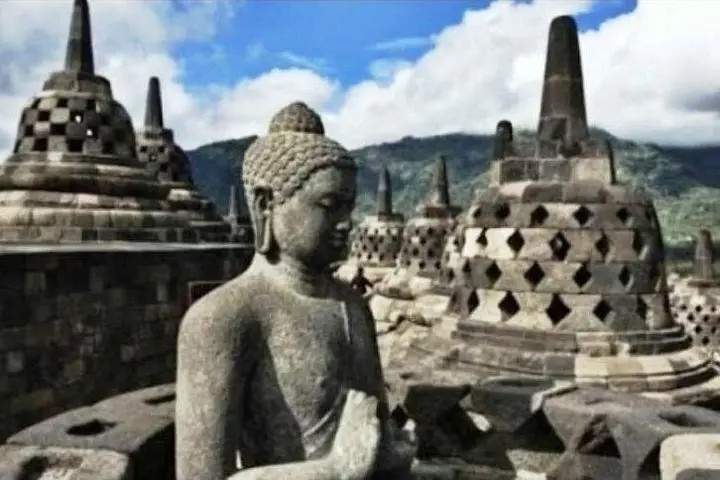
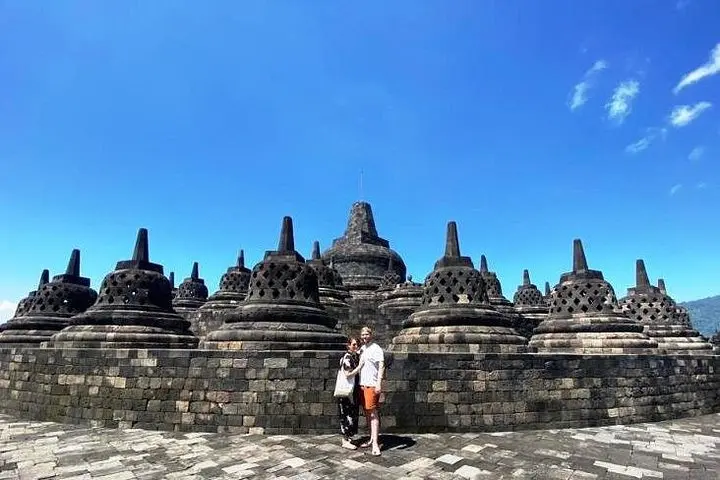
You step out before dawn, cool Javan night pressing against the van’s windows as the driver threads through sugarcane fields toward Puthuk Setumbu. The first light spills across Borobudur’s stone terraces; stupas silhouette like watchful cups against a pale sky. Later, volcanic wind and a scatter of sand greet you on the Bromo rim, and at Ijen the crater’s sulfur flames can briefly turn the night electric blue.
You step out before dawn, cool Javan night pressing against the van’s windows as the driver threads through sugarcane fields toward Puthuk Setumbu. The first light spills across Borobudur’s stone terraces; stupas silhouette like watchful cups against a pale sky. Later, volcanic wind and a scatter of sand greet you on the Bromo rim, and at Ijen the crater’s sulfur flames can briefly turn the night electric blue.
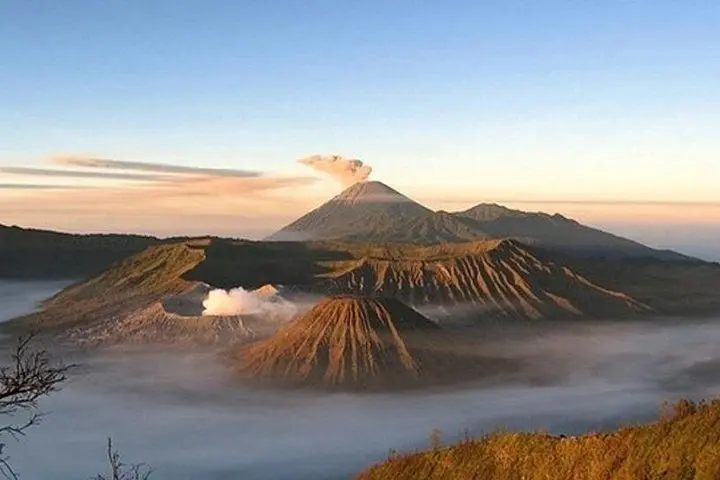
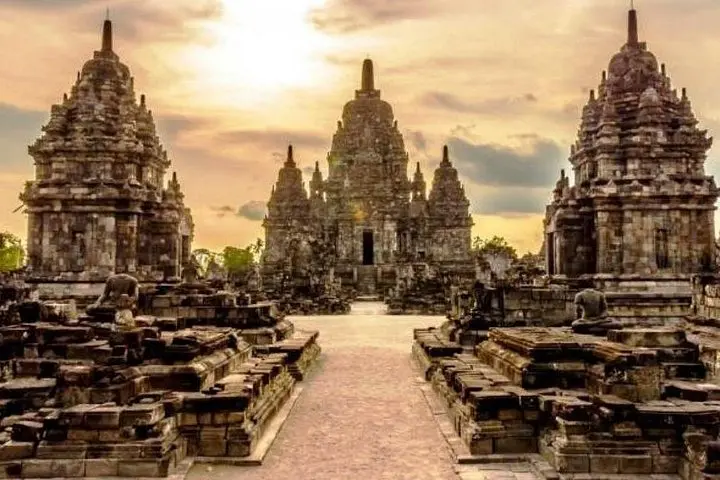
This multi-day route links Central Java’s cultural heart—Yogyakarta and its Sultan’s Palace, Borobudur and Prambanan—with East Java’s raw volcanic landscapes: Bromo’s caldera, Tengger savannahs, and Ijen’s acid crater and famed blue fire (visible only when gas levels permit). Geologically, you cross the island’s volcanic spine: old and weathered ridges near Yogyakarta give way to younger, steam-active cones in Bromo and sulfur-rich fumaroles at Ijen. Culturally, you’ll encounter Javanese temple ritual, the Tenggerese highland community, and miners who still carry sulfur from the Ijen rim.
Practical edge: plan early mornings and fragmented sleep—sunrise visits mean 3:00–4:00 a.m. starts. Expect uneven paths: stone steps at Borobudur, sand and loose gravel around Bromo, steep rocky trails and stairs at Ijen. Ijen’s blue fire viewing is occasionally closed for safety; guides monitor gas and wind. Bring a good headlamp, a fitted respirator for sulfur fumes, layered warm clothing, sturdy boots, and patience for tight hotel availability in Bromo. With basic fitness and sensible gear, this itinerary delivers culture, wide volcanic views, and one of Indonesia’s most unusual nocturnal phenomena.
Frequently asked questions
No; blue fire is visible only under specific conditions and when sulfur gas levels are safe—guides monitor conditions and may switch to a daylight crater visit if it’s unsafe.
Moderate: expect short steep climbs (45–60 minutes) and uneven terrain; basic cardiovascular fitness is sufficient but stair climbing ability helps.
Yes—this itinerary states that all entrances and permits for Borobudur, Prambanan, Bromo and Ijen are included.
Guides can often accommodate dietary requests with advance notice; the itinerary includes uneven terrain and some steps, so mobility-limited travelers should discuss specifics before booking.
About This Experience
Java Tour For School operates guided outdoor trips and adventures with an emphasis on safety, stewardship, and memorable experiences.
Adventure tips
Recommended gear
- Sturdy hiking boots: Support and grip for loose sand, gravel and wet stone steps.
- Headlamp with fresh batteries: Hands-free light for pre-dawn walks and crater approaches.
- N95 or P100 respirator: Protects against sulfur fumes at Ijen when gas levels rise.
- Insulating layer and wind shell: Warmth for cold pre-dawn hours on Bromo and Ijen rims.
Photos of the experience
Related adventures & guides
Read the full experience
You step out before dawn, cool Javan night pressing against the van’s windows as the driver threads through sugarcane fields toward Puthuk Setumbu. The first light spills across Borobudur’s stone terraces; stupas silhouette like watchful cups against a pale sky. Later, volcanic wind and a scatter of sand greet you on the Bromo rim, and at Ijen the crater’s sulfur flames can briefly turn the night electric blue.
You step out before dawn, cool Javan night pressing against the van’s windows as the driver threads through sugarcane fields toward Puthuk Setumbu. The first light spills across Borobudur’s stone terraces; stupas silhouette like watchful cups against a pale sky. Later, volcanic wind and a scatter of sand greet you on the Bromo rim, and at Ijen the crater’s sulfur flames can briefly turn the night electric blue.
This multi-day route links Central Java’s cultural heart—Yogyakarta and its Sultan’s Palace, Borobudur and Prambanan—with East Java’s raw volcanic landscapes: Bromo’s caldera, Tengger savannahs, and Ijen’s acid crater and famed blue fire (visible only when gas levels permit). Geologically, you cross the island’s volcanic spine: old and weathered ridges near Yogyakarta give way to younger, steam-active cones in Bromo and sulfur-rich fumaroles at Ijen. Culturally, you’ll encounter Javanese temple ritual, the Tenggerese highland community, and miners who still carry sulfur from the Ijen rim.
Practical edge: plan early mornings and fragmented sleep—sunrise visits mean 3:00–4:00 a.m. starts. Expect uneven paths: stone steps at Borobudur, sand and loose gravel around Bromo, steep rocky trails and stairs at Ijen. Ijen’s blue fire viewing is occasionally closed for safety; guides monitor gas and wind. Bring a good headlamp, a fitted respirator for sulfur fumes, layered warm clothing, sturdy boots, and patience for tight hotel availability in Bromo. With basic fitness and sensible gear, this itinerary delivers culture, wide volcanic views, and one of Indonesia’s most unusual nocturnal phenomena.
Make a day of it nearby.
Verified experiences and guided adventures in the surrounding area.