THE ADVENTURE COLLECTIVE® · Independent discovery and booking for outdoor travel

Rise early and watch Prambanan’s towering shrines catch the light, then move through a volcanic cliff and a hilltop temple for sweeping views of Merapi. This private day tour combines UNESCO‑listed architecture, volcanic geology, and compact cultural history with hotel pickup and a local lunch.
Rise early and watch Prambanan’s towering shrines catch the light, then move through a volcanic cliff and a hilltop temple for sweeping views of Merapi. This private day tour combines UNESCO‑listed architecture, volcanic geology, and compact cultural history with hotel pickup and a local lunch.
Morning drives out of Yogyakarta thin the light and the rice fields slide by like pages. By 08:00 the towers of Prambanan rise out of the haze—slender stone spires that demand closer inspection—and the day becomes an axis of carved reliefs, incense, and voices of a licensed English guide explaining the myths that shaped them.
Verified experiences and guided adventures in the surrounding area.
Operated by CHACHA TOURS TRAVEL · Yogyakarta, Special Region of Yogyakarta
Morning drives out of Yogyakarta thin the light and the rice fields slide by like pages. By 08:00 the towers of Prambanan rise out of the haze—slender stone spires that demand closer inspection—and the day becomes an axis of carved reliefs, incense, and voices of a licensed English guide explaining the myths that shaped them.
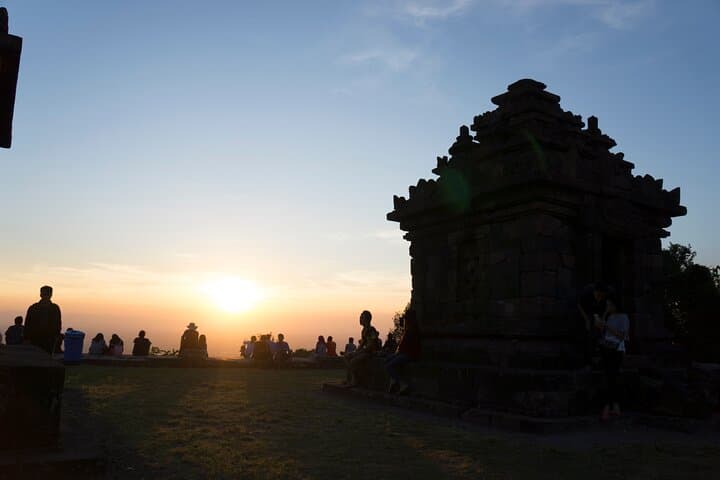
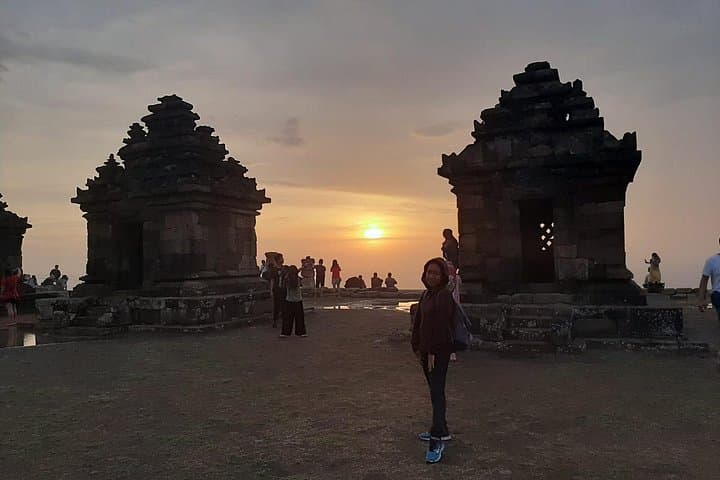
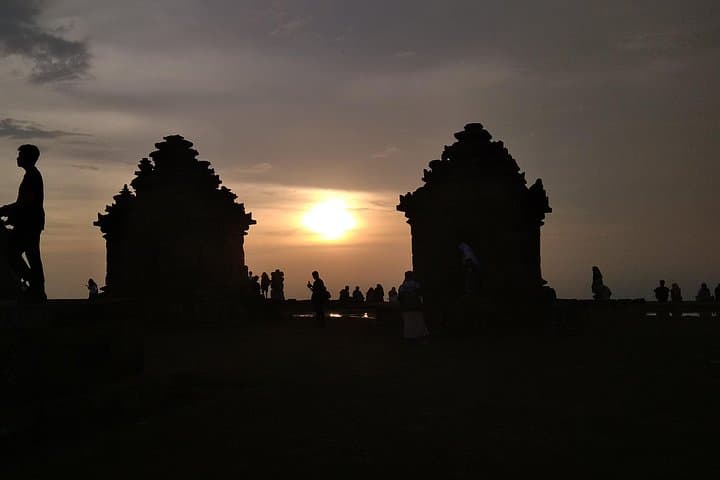
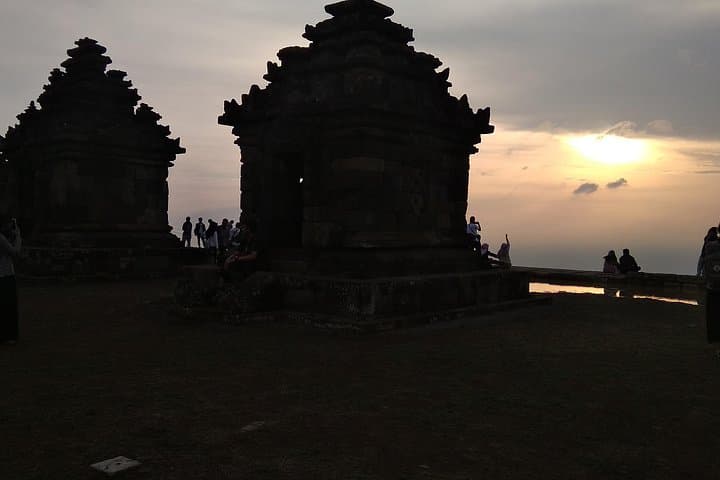
Prambanan is a 9th‑century Hindu compound dedicated to the Trimūrti; its central shrine reaches roughly 47 metres, and the complex is a UNESCO World Heritage Site. A short drive east brings you to Breksi, a former tuff quarry where volcanic ash from ancient, explosive eruptions was cut and sculpted into an amphitheater-like cliff. The ash fragments are brittle and light in appearance but tell a long geological story. The final stop, Candi Ijo, sits higher on a hill and dates from the 10th–11th century Mataram Kingdom—its terraces and perwara temples offer wide views toward the Merapi massif.
Practicalities are simple: hotel pickup and drop‑off in Yogyakarta city are included, entrance fees and lunch at a local restaurant are provided, and the full tour runs about nine hours. Wear modest clothing for temple visits, bring closed‑toe shoes for uneven ground at Breksi, and pack water and sun protection—the sites are exposed and the sun can be strong. Expect short walks between monuments, plenty of steps, and cultural context from your guide. If you aim for dramatic light, early morning or late afternoon visits sharpen relief and thin the crowds. Respect posted signs and archeological boundaries—the stones are old and steady hands on them accelerate decay.
easy.
9 hours.
Suitable for most fitness levels; involves walking on uneven surfaces and some stairs.
Yes—entrance fees to the listed sites and one local lunch are included in the tour price.
Pickup and drop‑off within Jogjakarta city area are included; confirm your hotel pickup point when booking.
Yes—additional info notes it is suitable for all fitness levels, but children must be accompanied by an adult and there is walking and stairs required.
Drone use is typically restricted at UNESCO and protected temple sites—check local regulations and obtain permits before attempting to fly.
Prambanan and Ijo date to the classical Mataram Kingdom era (9th–11th centuries) and reflect Hindu architectural principles; Breksi records local volcanic activity preserved as tuff deposits.
These sites are archaeologically sensitive—stay on marked paths, avoid touching reliefs, and follow guide instructions to minimize erosion and cultural wear.
CHACHA TOURS TRAVEL operates guided outdoor trips and adventures with an emphasis on safety, stewardship, and memorable experiences.
Morning drives out of Yogyakarta thin the light and the rice fields slide by like pages. By 08:00 the towers of Prambanan rise out of the haze—slender stone spires that demand closer inspection—and the day becomes an axis of carved reliefs, incense, and voices of a licensed English guide explaining the myths that shaped them.
Morning drives out of Yogyakarta thin the light and the rice fields slide by like pages. By 08:00 the towers of Prambanan rise out of the haze—slender stone spires that demand closer inspection—and the day becomes an axis of carved reliefs, incense, and voices of a licensed English guide explaining the myths that shaped them.
Prambanan is a 9th‑century Hindu compound dedicated to the Trimūrti; its central shrine reaches roughly 47 metres, and the complex is a UNESCO World Heritage Site. A short drive east brings you to Breksi, a former tuff quarry where volcanic ash from ancient, explosive eruptions was cut and sculpted into an amphitheater-like cliff. The ash fragments are brittle and light in appearance but tell a long geological story. The final stop, Candi Ijo, sits higher on a hill and dates from the 10th–11th century Mataram Kingdom—its terraces and perwara temples offer wide views toward the Merapi massif.
Practicalities are simple: hotel pickup and drop‑off in Yogyakarta city are included, entrance fees and lunch at a local restaurant are provided, and the full tour runs about nine hours. Wear modest clothing for temple visits, bring closed‑toe shoes for uneven ground at Breksi, and pack water and sun protection—the sites are exposed and the sun can be strong. Expect short walks between monuments, plenty of steps, and cultural context from your guide. If you aim for dramatic light, early morning or late afternoon visits sharpen relief and thin the crowds. Respect posted signs and archeological boundaries—the stones are old and steady hands on them accelerate decay.