THE ADVENTURE COLLECTIVE® · Independent discovery and booking for outdoor travel

See Borobudur at sunrise, ride a jeep across Merapi’s lava fields, and explore Prambanan’s soaring Hindu spires—all in a single full‑day circuit from Yogyakarta. This practical guide covers what to expect, how to prepare, and local tips to make the most of the day.
See Borobudur at sunrise, ride a jeep across Merapi’s lava fields, and explore Prambanan’s soaring Hindu spires—all in a single full‑day circuit from Yogyakarta. This practical guide covers what to expect, how to prepare, and local tips to make the most of the day.
You step out of an air‑conditioned minivan as morning light sketches shadow across low volcanic ridges; cool volcanic breeze hints at Merapi’s recent fury while temple bells echo from stone terraces.
Verified experiences and guided adventures in the surrounding area.
Operated by Javanese Vacation · Yogyakarta, Special Region of Yogyakarta
You step out of an air‑conditioned minivan as morning light sketches shadow across low volcanic ridges; cool volcanic breeze hints at Merapi’s recent fury while temple bells echo from stone terraces.
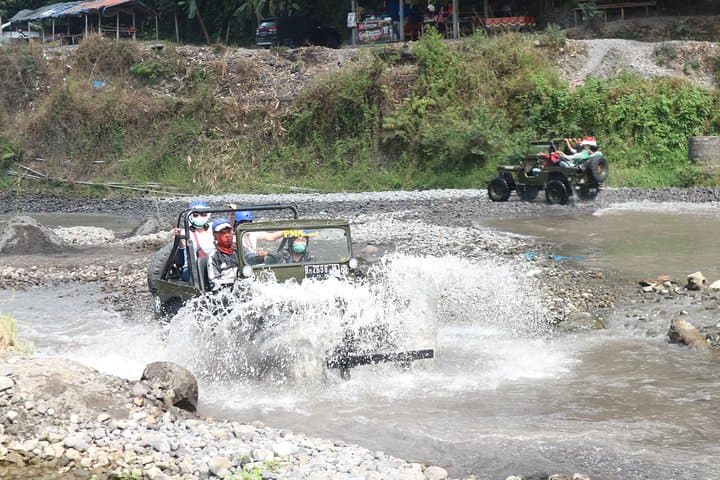
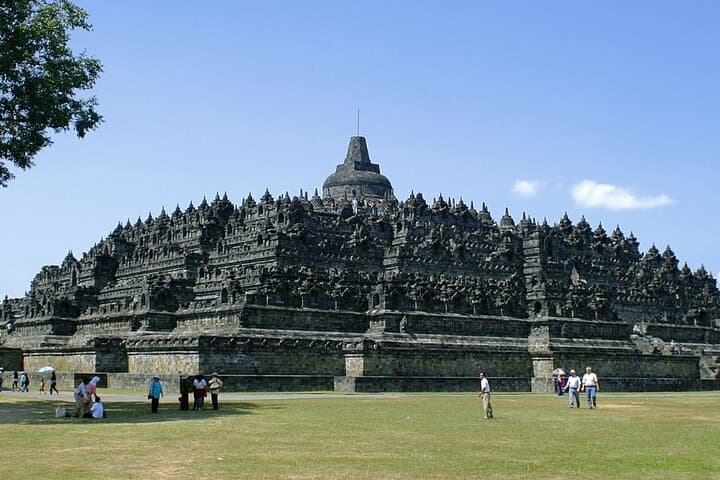
Start at Borobudur, the vast 9th‑century Buddhist monument where stone platforms rise like a folded map—walk the upper walkways to scan rice paddies and distant hills framed by tropical air. Geology here is immediate: Mount Merapi, an active stratovolcano to the north, has shaped local soils and settlement patterns through repeated eruptions; the Merapi Lava Tour takes you onto jeeps that clamber over hardened flows and ash‑studded fields so you can see lavas, damaged villages, and the crater silhouette up close.
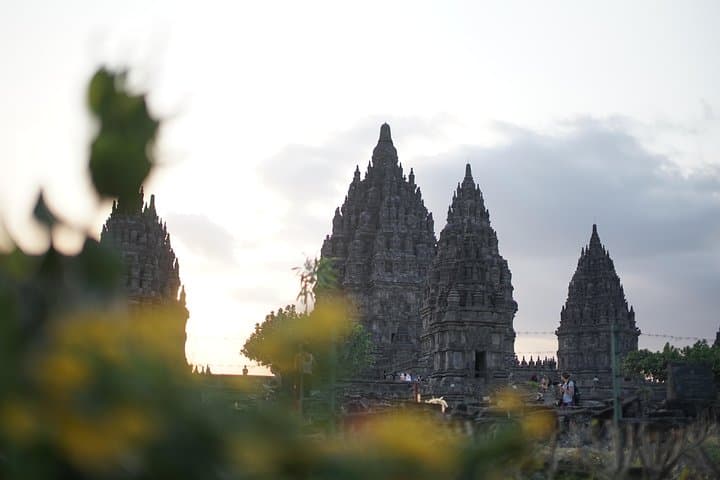
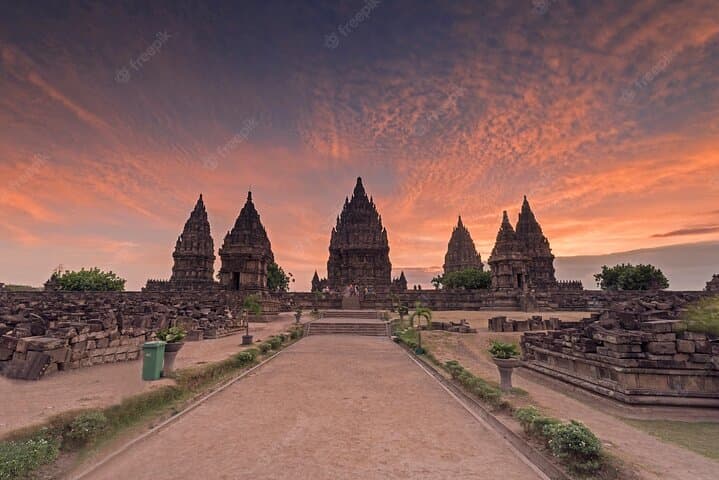
Later the site shifts to Prambanan, Southeast Asia’s largest Hindu temple complex, where tall spires of carved andesite present Ramayana reliefs and a different religious and architectural story. The day threads cultural context—Javanese court history, colonial trade routes, and resilient village life—into each stop.
Practical guidance: this is a full 8–10 hour day with several stair climbs and uneven surfaces—bring closed‑toe shoes, sun protection, and a charged phone or camera. Borobudur and Prambanan have ticketed entry (carry cash or a card) and limited shade; the Merapi jeep ride can be dusty—wear layers and a light rain jacket in the wet season. Start early to avoid crowds, hydrate frequently, and plan drop‑off points with your driver. With sensible pacing you’ll cover geology, living culture, and two of Java’s most powerful landscapes in one compact, active day.
moderate.
8–10 hours.
Light to moderate fitness; able to walk on stairs and uneven surfaces for several short stretches across the day.
Most operator prices exclude monument entry fees—confirm with your booking and bring cash or card for Borobudur and Prambanan tickets if not included.
Jeep tours are bumpy and can be dusty; children can join but should be supervised and secured—check age limits with the operator and request appropriate seating.
Expect moderate walking and several stair sections at both temple sites; the jeep portion involves little walking but disembarking onto uneven ground.
Most tours offer city drop‑offs by request; if you need airport transfer or a drop more than ~20 km away, confirm extra charges beforehand.
Borobudur and Prambanan are 8th–10th century monuments reflecting Buddhist and Hindu kingdoms that once controlled central Java; colonial and recent volcanic events have shaped modern access and preservation efforts.
Sites face pressure from tourism and erosion; stick to marked paths, avoid feeding wildlife, and support ticketed conservation fees that fund maintenance and local communities.
Javanese Vacation operates guided outdoor trips and adventures with an emphasis on safety, stewardship, and memorable experiences.
You step out of an air‑conditioned minivan as morning light sketches shadow across low volcanic ridges; cool volcanic breeze hints at Merapi’s recent fury while temple bells echo from stone terraces.
You step out of an air‑conditioned minivan as morning light sketches shadow across low volcanic ridges; cool volcanic breeze hints at Merapi’s recent fury while temple bells echo from stone terraces.
Start at Borobudur, the vast 9th‑century Buddhist monument where stone platforms rise like a folded map—walk the upper walkways to scan rice paddies and distant hills framed by tropical air. Geology here is immediate: Mount Merapi, an active stratovolcano to the north, has shaped local soils and settlement patterns through repeated eruptions; the Merapi Lava Tour takes you onto jeeps that clamber over hardened flows and ash‑studded fields so you can see lavas, damaged villages, and the crater silhouette up close.
Later the site shifts to Prambanan, Southeast Asia’s largest Hindu temple complex, where tall spires of carved andesite present Ramayana reliefs and a different religious and architectural story. The day threads cultural context—Javanese court history, colonial trade routes, and resilient village life—into each stop.
Practical guidance: this is a full 8–10 hour day with several stair climbs and uneven surfaces—bring closed‑toe shoes, sun protection, and a charged phone or camera. Borobudur and Prambanan have ticketed entry (carry cash or a card) and limited shade; the Merapi jeep ride can be dusty—wear layers and a light rain jacket in the wet season. Start early to avoid crowds, hydrate frequently, and plan drop‑off points with your driver. With sensible pacing you’ll cover geology, living culture, and two of Java’s most powerful landscapes in one compact, active day.