THE ADVENTURE COLLECTIVE® · Independent discovery and booking for outdoor travel

Walk 2–3 hours through agroforestry and village lanes north of Yogyakarta with views of Mount Merapi. This guided tour mixes plant-focused insight, local life, and a lunch stop before Prambanan.
Walk 2–3 hours through agroforestry and village lanes north of Yogyakarta with views of Mount Merapi. This guided tour mixes plant-focused insight, local life, and a lunch stop before Prambanan.
Late-morning light cuts through rows of clove and coffee trees as village paths unwind toward the shadow of Merapi. The walking tour drops you into small hamlets and agroforestry plots north of Yogyakarta—rice paddies giving way to mixed gardens where herbs, fruit trees and timber-safe crops grow in layered plots. The volcano, restless and raw, looms like a living landmark; when skies clear it dominates the skyline, otherwise mist and farm smoke soften its edges.
Verified experiences and guided adventures in the surrounding area.
Operated by Wahyu Travel Indonesia (Yogyakarta Borobudur Prambanan) · Yogyakarta, Yogyakarta Special Region
Late-morning light cuts through rows of clove and coffee trees as village paths unwind toward the shadow of Merapi. The walking tour drops you into small hamlets and agroforestry plots north of Yogyakarta—rice paddies giving way to mixed gardens where herbs, fruit trees and timber-safe crops grow in layered plots. The volcano, restless and raw, looms like a living landmark; when skies clear it dominates the skyline, otherwise mist and farm smoke soften its edges.
This region is shaped by volcanic geology and Javanese culture: generations have adapted cropping patterns to nutrient-rich ash and seasonal rains, and Prambanan’s 9th-century stones lie a short drive away, offering a different chapter of local history after your lunch stop. Local guides explain how agroforestry sustains households—balancing timber, food and medicinal plants—and how eruptions have periodically reshaped settlements.
Expect 2–3 hours of walking on dirt tracks and village lanes, modest elevation change, and lots of stops to inspect plants and talk with residents. The itinerary includes hotel pickup in Yogyakarta, guided countryside walk, a rest in a local house, then an hour for lunch before transfer to Prambanan.
Practical edge: wear sturdy shoes for uneven soil, bring insect repellent and sun protection, and plan the walk for a clear morning if you want the best Merapi views. Carry a small daypack, cash for village stalls, and be ready to step off the main path—locals may lead you to private gardens if you ask. Respect private plots, leave no trace, and use your guide to bridge language and cultural gaps.
easy.
5–6 hours.
Suitable for most fitness levels; participants should be comfortable walking 2–3 hours on uneven terrain with short pauses.
Yes—private pickup from Yogyakarta hotels is included; provide accurate pickup details and WhatsApp contact when booking.
Visibility depends on weather and smoke; the dry season (June–August) offers the best chance for unobstructed views.
The tour accepts children; operators note a minimum age of 3 and recommend supervision on uneven paths.
You’ll stop for a one-hour lunch at local restaurants near the route; basic restroom facilities are available at restaurants or the vehicle transfer points.
The slopes of Merapi have been farmed for generations; periodic eruptions have reshaped communities while volcanic soils have supported rich agroforestry systems. Prambanan, a nearby 9th-century Hindu complex, reflects the region's deep cultural history.
Stick to paths and avoid trampling crops; support local guides and stalls to ensure tourism benefits village economies and follow your guide’s instructions around agricultural plots.
Wahyu Travel Indonesia (Yogyakarta Borobudur Prambanan) operates guided outdoor trips and adventures with an emphasis on safety, stewardship, and memorable experiences.


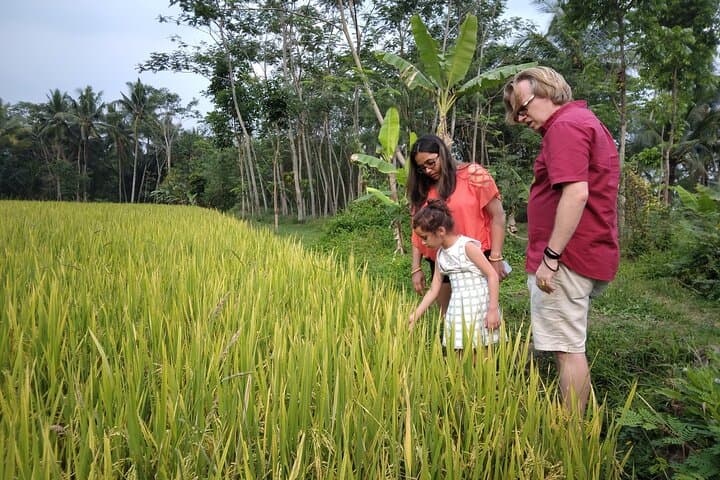

Late-morning light cuts through rows of clove and coffee trees as village paths unwind toward the shadow of Merapi. The walking tour drops you into small hamlets and agroforestry plots north of Yogyakarta—rice paddies giving way to mixed gardens where herbs, fruit trees and timber-safe crops grow in layered plots. The volcano, restless and raw, looms like a living landmark; when skies clear it dominates the skyline, otherwise mist and farm smoke soften its edges.
Late-morning light cuts through rows of clove and coffee trees as village paths unwind toward the shadow of Merapi. The walking tour drops you into small hamlets and agroforestry plots north of Yogyakarta—rice paddies giving way to mixed gardens where herbs, fruit trees and timber-safe crops grow in layered plots. The volcano, restless and raw, looms like a living landmark; when skies clear it dominates the skyline, otherwise mist and farm smoke soften its edges.
This region is shaped by volcanic geology and Javanese culture: generations have adapted cropping patterns to nutrient-rich ash and seasonal rains, and Prambanan’s 9th-century stones lie a short drive away, offering a different chapter of local history after your lunch stop. Local guides explain how agroforestry sustains households—balancing timber, food and medicinal plants—and how eruptions have periodically reshaped settlements.
Expect 2–3 hours of walking on dirt tracks and village lanes, modest elevation change, and lots of stops to inspect plants and talk with residents. The itinerary includes hotel pickup in Yogyakarta, guided countryside walk, a rest in a local house, then an hour for lunch before transfer to Prambanan.
Practical edge: wear sturdy shoes for uneven soil, bring insect repellent and sun protection, and plan the walk for a clear morning if you want the best Merapi views. Carry a small daypack, cash for village stalls, and be ready to step off the main path—locals may lead you to private gardens if you ask. Respect private plots, leave no trace, and use your guide to bridge language and cultural gaps.