THE ADVENTURE COLLECTIVE® · Independent discovery and booking for outdoor travel

Walk 5–10 km through Yogyakarta’s kampongs along the Code River, visit the Sultan’s palace, try a hands-on batik lesson, and finish at a local green temple for sunset. Practical, cultural, and suited to easy fitness levels.
Walk 5–10 km through Yogyakarta’s kampongs along the Code River, visit the Sultan’s palace, try a hands-on batik lesson, and finish at a local green temple for sunset. Practical, cultural, and suited to easy fitness levels.
You step off the shaded street into the narrow alleys where the Code (Kali Code) threads through the city, and the air shifts from traffic hum to children's voices and the soft clack of batik presses.
Verified experiences and guided adventures in the surrounding area.
Operated by JAVA BALI TRIPS · Yogyakarta, Special Region of Yogyakarta
You step off the shaded street into the narrow alleys where the Code (Kali Code) threads through the city, and the air shifts from traffic hum to children's voices and the soft clack of batik presses.
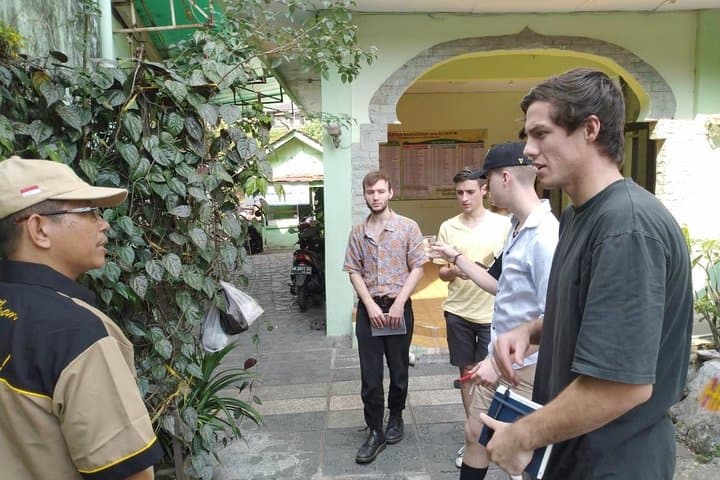
This walking tour follows 5–10 km of low, well-paved lanes through kampongs that grew alongside the river, offering an intimate view of everyday life in Yogyakarta. Ahead lies the Kraton—the Sultan’s palace—whose timber and stone buildings recall a court that shaped local politics and arts for centuries. The region sits on volcanic plains shaped by Mount Merapi’s eruptions; fertile soils and alluvial terraces allowed settlements to cluster near waterways like Code.
Culture arrives in tangible forms: the royal horse carts and family heirlooms around the palace, the slow ritual of dye and wax at a batik workshop, and the market rhythms where kopi and snacks anchor mid-morning breaks. The tour ends with a sunset visit to a nearby green-painted temple site that locals favor for evening light.
Practical guidance: wear sturdy walking shoes for uneven sidewalks, carry a refillable water bottle (organizers supply bottled water), and bring sun protection—Yogyakarta can be hot and humid. Expect a leisurely pace with frequent stops for interpretation, a hands-on batik lesson, and a sit-down lunch included. Modest dress is advised for palace visits; photography may be restricted in certain rooms. Plan to start early or late afternoon to avoid peak heat and to catch the softer light along the river and at the temple at dusk.
easy.
4–8 hours.
Suitable for most people who can walk 5–10 km on flat urban terrain; frequent stops reduce strain.
The itinerary covers roughly 5–10 km on mostly flat, paved alleys and city sidewalks; pace is relaxed with frequent stops, making it suitable for most fitness levels.
Yes—lunch and bottled water are included in the tour price; bringing a refillable bottle is still recommended to reduce waste.
The batik stop includes a basic hands-on session where you apply wax and see traditional dyeing; you usually take home a small handkerchief produced during the class.
Some rooms and family properties may restrict photography; guides will explain where photos are allowed and when to be respectful.
The Kraton (Sultan’s palace) anchors Yogyakarta’s cultural identity; the sultanate shaped local arts like batik and gamelan, while kampong communities along the Code grew as river-dependent neighborhoods.
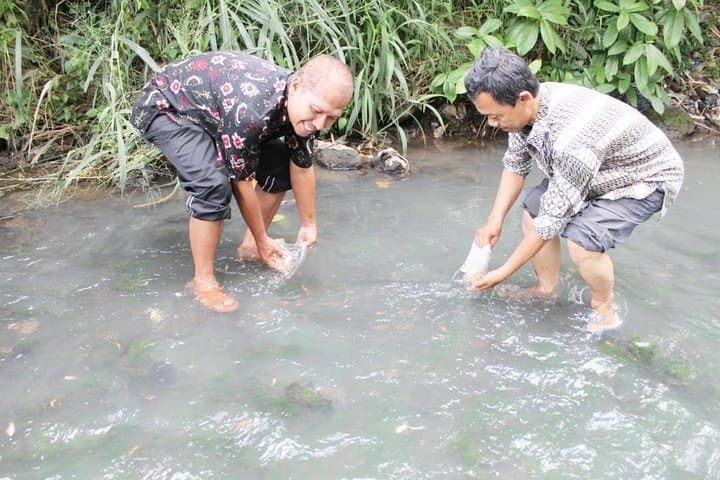
The Code River faces urban pollution pressures—choose tours that emphasize community engagement and proper waste practices to limit impact.
JAVA BALI TRIPS operates guided outdoor trips and adventures with an emphasis on safety, stewardship, and memorable experiences.
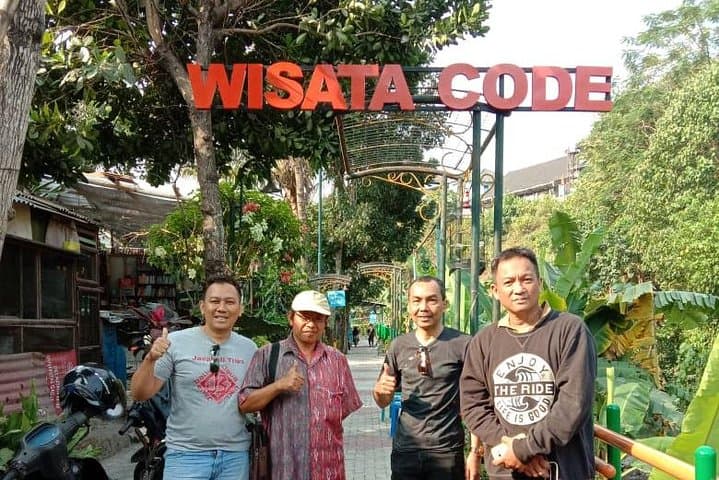
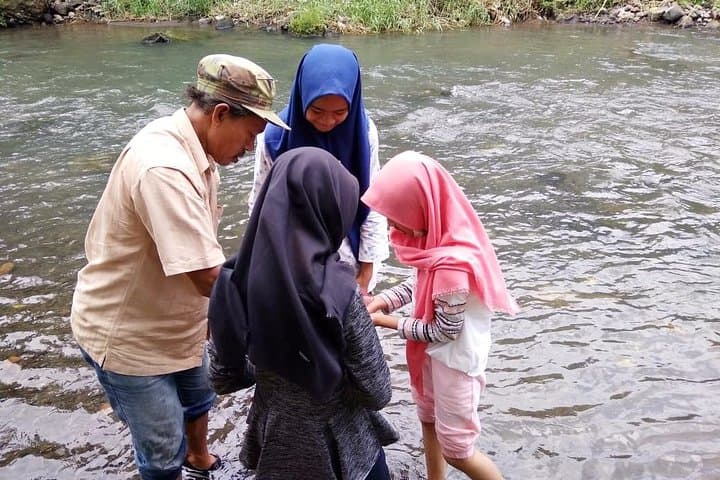
You step off the shaded street into the narrow alleys where the Code (Kali Code) threads through the city, and the air shifts from traffic hum to children's voices and the soft clack of batik presses.
You step off the shaded street into the narrow alleys where the Code (Kali Code) threads through the city, and the air shifts from traffic hum to children's voices and the soft clack of batik presses.
This walking tour follows 5–10 km of low, well-paved lanes through kampongs that grew alongside the river, offering an intimate view of everyday life in Yogyakarta. Ahead lies the Kraton—the Sultan’s palace—whose timber and stone buildings recall a court that shaped local politics and arts for centuries. The region sits on volcanic plains shaped by Mount Merapi’s eruptions; fertile soils and alluvial terraces allowed settlements to cluster near waterways like Code.
Culture arrives in tangible forms: the royal horse carts and family heirlooms around the palace, the slow ritual of dye and wax at a batik workshop, and the market rhythms where kopi and snacks anchor mid-morning breaks. The tour ends with a sunset visit to a nearby green-painted temple site that locals favor for evening light.
Practical guidance: wear sturdy walking shoes for uneven sidewalks, carry a refillable water bottle (organizers supply bottled water), and bring sun protection—Yogyakarta can be hot and humid. Expect a leisurely pace with frequent stops for interpretation, a hands-on batik lesson, and a sit-down lunch included. Modest dress is advised for palace visits; photography may be restricted in certain rooms. Plan to start early or late afternoon to avoid peak heat and to catch the softer light along the river and at the temple at dusk.