THE ADVENTURE COLLECTIVE® · Independent discovery and booking for outdoor travel

A full-day cultural loop through Yogyakarta’s palaces, museums, and rural ridges ending at Ijo Temple for sunset. Expect easy walking, rich Javanese history, and expansive evening views.
A full-day cultural loop through Yogyakarta’s palaces, museums, and rural ridges ending at Ijo Temple for sunset. Expect easy walking, rich Javanese history, and expansive evening views.
The morning starts in the compact chaos of Yogyakarta: motorbikes threading between colonial facades, vendors calling out batik bolts, and the odor of coffee drifting from alleyway stalls. The guided route moves from the ceremonial heart of the city to quieter museum rooms, then climbs through terraced farmland to Ijo Temple’s ridge where the late-afternoon light sharpens carvings and the western sky dares you to stay for sunset.
Verified experiences and guided adventures in the surrounding area.
Operated by Izzati Jogjatour · Yogyakarta, Special Region of Yogyakarta
The morning starts in the compact chaos of Yogyakarta: motorbikes threading between colonial facades, vendors calling out batik bolts, and the odor of coffee drifting from alleyway stalls. The guided route moves from the ceremonial heart of the city to quieter museum rooms, then climbs through terraced farmland to Ijo Temple’s ridge where the late-afternoon light sharpens carvings and the western sky dares you to stay for sunset.
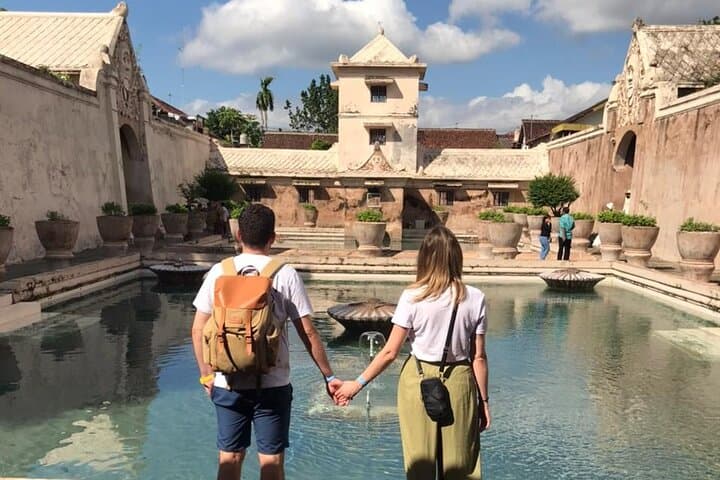
Yogyakarta is Indonesia’s cultural capital — a sultanate city whose palace (kraton) and water gardens reflect centuries of Javanese court life. The Sonobudoyo Museum preserves shadow puppets (wayang), keris, and batik samples that explain local storytelling and craft traditions. Geologically, the southern plains are built on volcanic ash and river sediments from Merapi and Merbabu, so many temple platforms sit on raised stone outcrops that catch long views.
Expect a mix of paved streets, museum galleries, and a short uphill drive/walk to the temple site; the final viewpoint sits above cultivated slopes and offers an expansive west-facing horizon for sunset photography. Guides typically cover transport, bottled water, and basic PPE.
Practical tips: wear sturdy walking shoes for uneven museum steps and the temple grounds, bring sun protection for daytime city stops and a light layer for the cool ridge after sunset. Aim to start mid-morning to avoid midday heat and reserve the last light at Ijo for clear-sky evenings. The tour is culturally rich, low-impact physically, and best for travelers who enjoy history, craft, and landscape light rather than demanding outdoor routes.
easy.
10–12 hours.
Suitable for most fitness levels; requires sustained standing and short walks on uneven steps and a gentle uphill approach at the temple.
The tour lasts about 10–12 hours; exact timing varies by season—expect to arrive at Ijo Temple roughly an hour before local sunset for good viewing and photos.
Admissions are typically not included; check with the operator and carry small cash for entry fees where required.
Yes—short city walks and museum visits are stroller-accessible, though temple grounds have uneven stone surfaces where a carrier may be easier.
This listing indicates a private tour; language availability depends on the operator—confirm when booking for English or other language support.
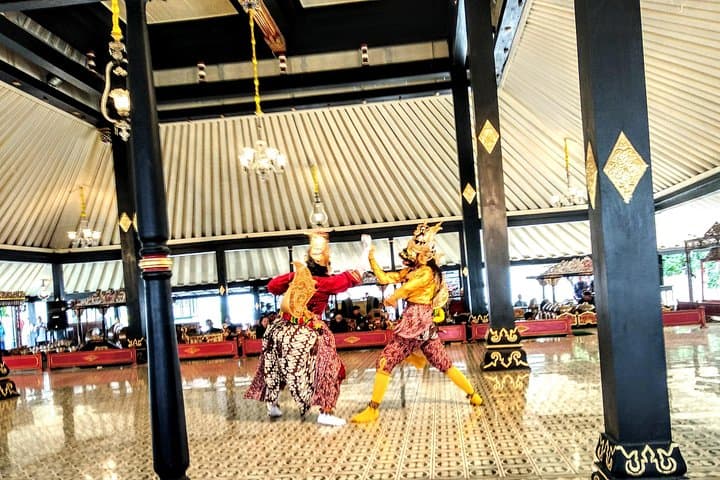
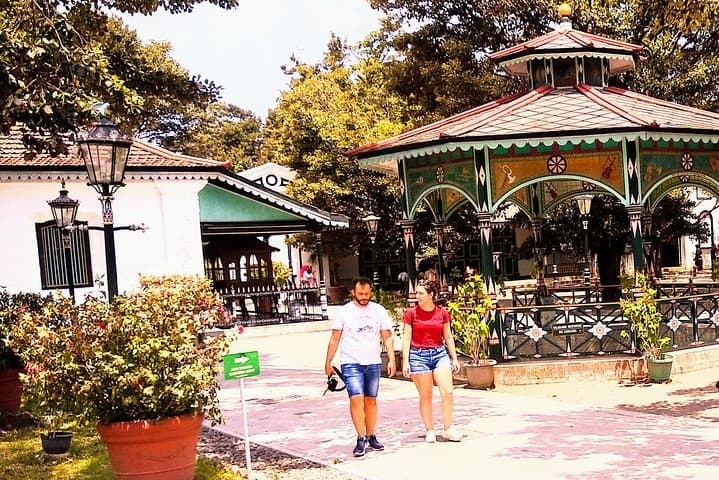
Yogyakarta’s kraton is the living palace of the Sultanate, central to Javanese court ritual and performance; Ijo Temple is a later Hindu-Buddhist hilltop complex reused across centuries.
Visit museums and temples with respect for artifacts and architecture; stick to marked paths at Ijo to avoid erosion on fragile stone and agricultural terraces.
Izzati Jogjatour operates guided outdoor trips and adventures with an emphasis on safety, stewardship, and memorable experiences.

The morning starts in the compact chaos of Yogyakarta: motorbikes threading between colonial facades, vendors calling out batik bolts, and the odor of coffee drifting from alleyway stalls. The guided route moves from the ceremonial heart of the city to quieter museum rooms, then climbs through terraced farmland to Ijo Temple’s ridge where the late-afternoon light sharpens carvings and the western sky dares you to stay for sunset.
The morning starts in the compact chaos of Yogyakarta: motorbikes threading between colonial facades, vendors calling out batik bolts, and the odor of coffee drifting from alleyway stalls. The guided route moves from the ceremonial heart of the city to quieter museum rooms, then climbs through terraced farmland to Ijo Temple’s ridge where the late-afternoon light sharpens carvings and the western sky dares you to stay for sunset.
Yogyakarta is Indonesia’s cultural capital — a sultanate city whose palace (kraton) and water gardens reflect centuries of Javanese court life. The Sonobudoyo Museum preserves shadow puppets (wayang), keris, and batik samples that explain local storytelling and craft traditions. Geologically, the southern plains are built on volcanic ash and river sediments from Merapi and Merbabu, so many temple platforms sit on raised stone outcrops that catch long views.
Expect a mix of paved streets, museum galleries, and a short uphill drive/walk to the temple site; the final viewpoint sits above cultivated slopes and offers an expansive west-facing horizon for sunset photography. Guides typically cover transport, bottled water, and basic PPE.
Practical tips: wear sturdy walking shoes for uneven museum steps and the temple grounds, bring sun protection for daytime city stops and a light layer for the cool ridge after sunset. Aim to start mid-morning to avoid midday heat and reserve the last light at Ijo for clear-sky evenings. The tour is culturally rich, low-impact physically, and best for travelers who enjoy history, craft, and landscape light rather than demanding outdoor routes.