THE ADVENTURE COLLECTIVE® · Independent discovery and booking for outdoor travel

Spend a full day exploring two contrasting Bali waterfalls — a sheltered cave fall and a powerful open cascade — on a private tour from Ubud with transfers and entrance fees included. This guide covers what to expect, local context, and practical tips for the trail.
Spend a full day exploring two contrasting Bali waterfalls — a sheltered cave fall and a powerful open cascade — on a private tour from Ubud with transfers and entrance fees included. This guide covers what to expect, local context, and practical tips for the trail.
A morning on the road from Ubud unfurls like a slow film: wet leaves tap the van roof, the driver slips into narrow village lanes, and the rainforest tightens around you. After roughly two hours of winding uphill and past rice terraces, the first cascade reveals itself in the shadow of a cave — dark and intimate, water whispering before it drops. This is the tour’s Yin: a sheltered plunge pool where light pools and the air smells of damp stone.
Verified experiences and guided adventures in the surrounding area.
Operated by Expedition Bali Tours · Ubud, Bali
A morning on the road from Ubud unfurls like a slow film: wet leaves tap the van roof, the driver slips into narrow village lanes, and the rainforest tightens around you. After roughly two hours of winding uphill and past rice terraces, the first cascade reveals itself in the shadow of a cave — dark and intimate, water whispering before it drops. This is the tour’s Yin: a sheltered plunge pool where light pools and the air smells of damp stone.
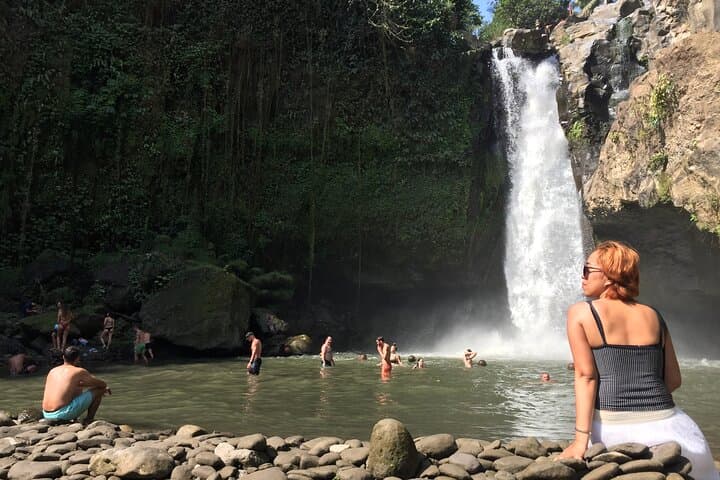
The Yang arrives later — a bright, exposed fall that thunders over basalt ledges, framed by stairs and a viewing platform. Geologically, Bali’s waterfalls cut through volcanic rock and ash deposits; caves and plunge pools form where softer layers have washed away. Culturally, Balinese communities regard freshwater sites as sacred, often paired with small shrines and offerings near access points.
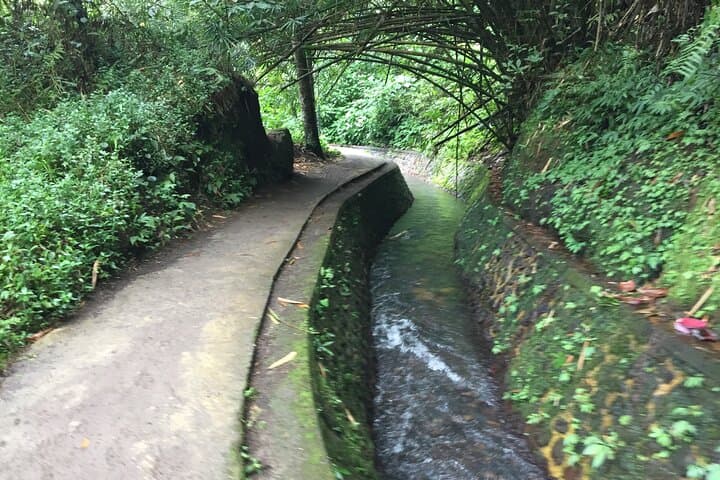
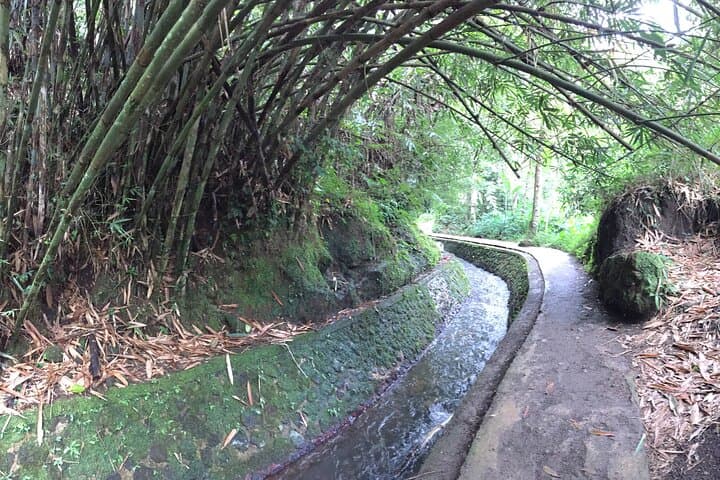
Expect forest tracks, stepped descents, and slick stone near the water; guides remind guests to respect shrine areas and local customs. The tour includes entrance fees and private transfers, with most of the day allocated to travel between stops and time at each fall.
Practical guidance: wear grippy water shoes and quick-dry layers, carry a waterproof bag for phones, and bring cash for snacks at local warungs. Wet-season visits (Nov–Mar) deliver bigger flows and heavier trails; dry-season (May–Sep) offers easier footing and clearer photo light. Moderate fitness is required — stairs and uneven paths are the norm. Follow your guide’s safety brief, avoid cliff edges, and treat pools respectfully; the reward is two contrasting waterfalls that feel like opposite sides of the same landscape — one inviting quiet, the other daring you to stand in its spray.
moderate.
8–9 hours.
Suitable for travelers with moderate fitness—able to handle several flights of uneven steps and short hikes.
Yes—this tour lists waterfall entrance fees and taxes as included in the price.
Private transfer and driver are included; confirm your pickup point when booking (pickup questions are asked at checkout).
Swimming depends on conditions and local rules—your guide will advise; always follow safety instructions and avoid strong currents.
The operator notes it’s not recommended for travelers with poor cardiovascular health; there are stairs and uneven terrain, so mobility limitations may be restrictive.
Bali’s freshwater sites have long cultural significance; springs and falls are often linked to purification rituals and small shrines maintained by local communities.
Stick to designated paths, carry out all trash, and avoid introducing soaps into pools—tourist impact and upstream runoff affect water clarity and local ecosystems.
Expedition Bali Tours operates guided outdoor trips and adventures with an emphasis on safety, stewardship, and memorable experiences.
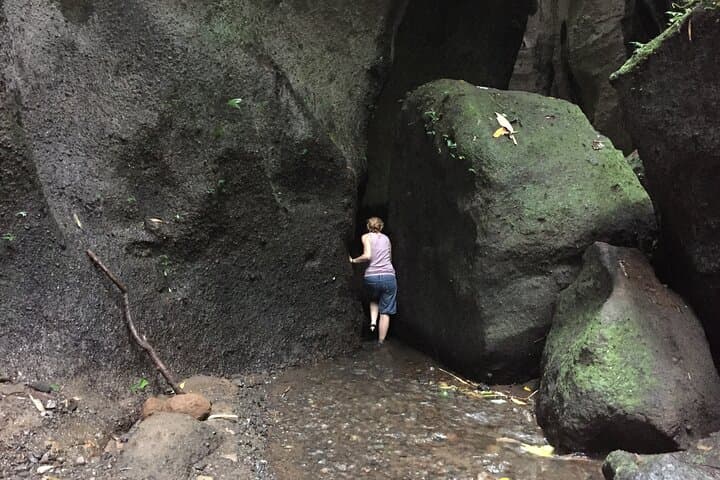
A morning on the road from Ubud unfurls like a slow film: wet leaves tap the van roof, the driver slips into narrow village lanes, and the rainforest tightens around you. After roughly two hours of winding uphill and past rice terraces, the first cascade reveals itself in the shadow of a cave — dark and intimate, water whispering before it drops. This is the tour’s Yin: a sheltered plunge pool where light pools and the air smells of damp stone.
A morning on the road from Ubud unfurls like a slow film: wet leaves tap the van roof, the driver slips into narrow village lanes, and the rainforest tightens around you. After roughly two hours of winding uphill and past rice terraces, the first cascade reveals itself in the shadow of a cave — dark and intimate, water whispering before it drops. This is the tour’s Yin: a sheltered plunge pool where light pools and the air smells of damp stone.
The Yang arrives later — a bright, exposed fall that thunders over basalt ledges, framed by stairs and a viewing platform. Geologically, Bali’s waterfalls cut through volcanic rock and ash deposits; caves and plunge pools form where softer layers have washed away. Culturally, Balinese communities regard freshwater sites as sacred, often paired with small shrines and offerings near access points.
Expect forest tracks, stepped descents, and slick stone near the water; guides remind guests to respect shrine areas and local customs. The tour includes entrance fees and private transfers, with most of the day allocated to travel between stops and time at each fall.
Practical guidance: wear grippy water shoes and quick-dry layers, carry a waterproof bag for phones, and bring cash for snacks at local warungs. Wet-season visits (Nov–Mar) deliver bigger flows and heavier trails; dry-season (May–Sep) offers easier footing and clearer photo light. Moderate fitness is required — stairs and uneven paths are the norm. Follow your guide’s safety brief, avoid cliff edges, and treat pools respectfully; the reward is two contrasting waterfalls that feel like opposite sides of the same landscape — one inviting quiet, the other daring you to stand in its spray.