THE ADVENTURE COLLECTIVE® · Independent discovery and booking for outdoor travel

Spend a day trading city streets for alpine ridgelines and the turquoise sweep of Lake Sevan. This private 6–7 hour loop from Yerevan visits Tsaghkadzor’s cable car, the Kecharis monastery complex, and Sevanavank on the peninsula—ideal for history buffs and landscape seekers.
Spend a day trading city streets for alpine ridgelines and the turquoise sweep of Lake Sevan. This private 6–7 hour loop from Yerevan visits Tsaghkadzor’s cable car, the Kecharis monastery complex, and Sevanavank on the peninsula—ideal for history buffs and landscape seekers.
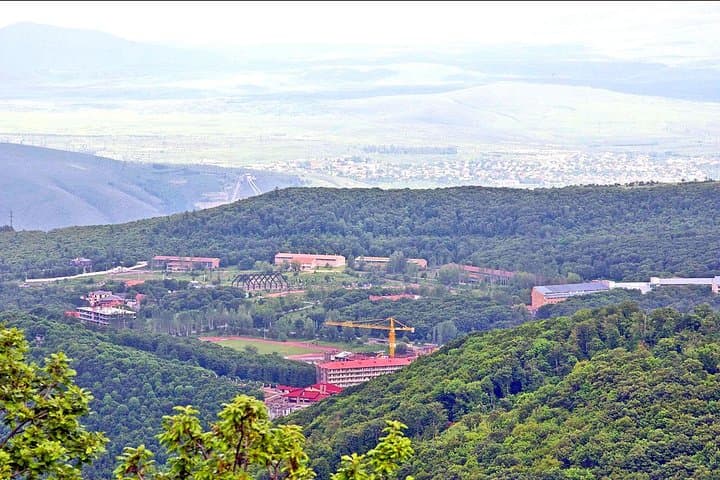
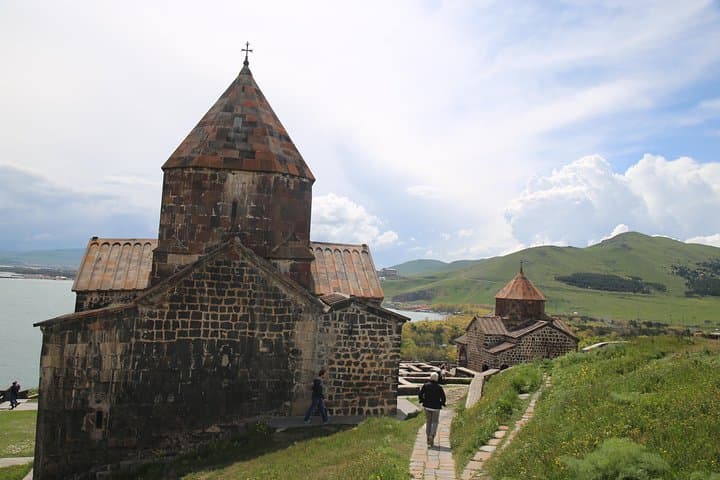
You leave Yerevan as the city’s concrete gives way to pine-scented slopes and a road that climbs toward cooler air. Within an hour the valley of Tsaghkadzor opens—alpine meadows and fir stands hemming a resort town where the cable car climbs like a metal spine to ridgeline views. Later the road unspools toward Lake Sevan, its high-altitude water flashing turquoise against a backdrop of 3,000-meter peaks; the peninsula of Sevanavank perches on exposed rock, its twin churches outlined against the sky.
Verified experiences and guided adventures in the surrounding area.
Operated by Hyur Service · Yerevan, Yerevan
You leave Yerevan as the city’s concrete gives way to pine-scented slopes and a road that climbs toward cooler air. Within an hour the valley of Tsaghkadzor opens—alpine meadows and fir stands hemming a resort town where the cable car climbs like a metal spine to ridgeline views. Later the road unspools toward Lake Sevan, its high-altitude water flashing turquoise against a backdrop of 3,000-meter peaks; the peninsula of Sevanavank perches on exposed rock, its twin churches outlined against the sky.
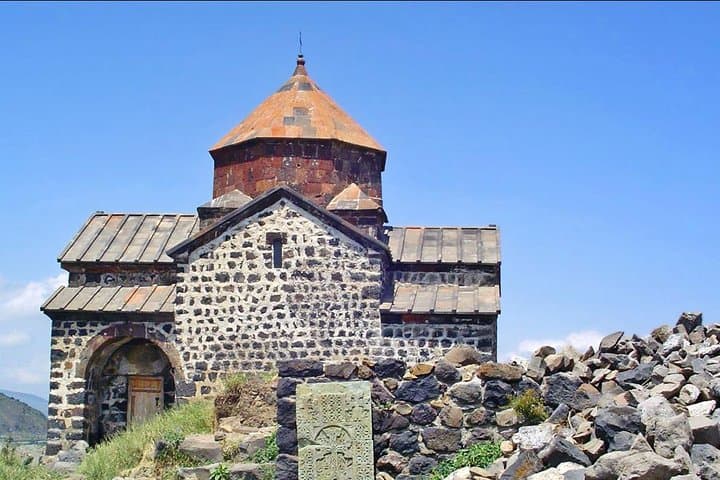
History sits plainly along this route: Kecharis monastery, built between the 11th and 13th centuries, preserves medieval Armenian stonework and khachkars; Sevanavank dates to 874 and reflects the era of Bagratid patronage. Geologically, Lake Sevan is a volcanic, highland freshwater basin at about 1,900 m elevation—winds scythe the water and sunlight polishes its surface. Culturally the corridor mixes winter-sports tourism, Orthodox pilgrimage, and local fisherman life; expect small stalls selling smoked trout and yogurt-based treats.
Practical guidance: the full loop runs 6–7 hours with vehicle transfers and multiple short walks; Sevanavank requires climbing roughly 200 steps. Wear sturdy walking shoes, bring sun protection and layers for rapid temperature shifts at altitude, and carry a refillable bottle—the tour supplies bottled water but refill points are limited. If you want the cable car in Tsaghkadzor, reserve time—it’s optional. Pickup and drop-off in Yerevan make the route convenient for a single-day itinerary; plan for photo stops and a light snack to enjoy by the lakeshore.
easy.
6–7 hours.
Suitable for most fitness levels; involves short walks and stair climbs but no sustained hiking.
The cable car ride is optional on the itinerary; confirm availability and timing with the operator when booking.
Most monastery visits do not require a paid entrance, but donations or small local fees can apply; check the tour option you book.
Yes—this private tour includes free pick-up and drop-off within Yerevan; specify your pickup point when booking.
Expect short walks around sites and about 200 steps to reach Sevanavank; the tour is rated easy and suitable for most travelers.
Sevanavank was founded in 874 and Kecharis dates to the 11th–13th centuries, reflecting regional medieval Armenian ecclesiastical architecture.
Lake Sevan has a history of fluctuating water levels and ongoing restoration efforts; stick to marked paths and avoid disturbing shoreline plants to support recovery.
Hyur Service operates guided outdoor trips and adventures with an emphasis on safety, stewardship, and memorable experiences.
You leave Yerevan as the city’s concrete gives way to pine-scented slopes and a road that climbs toward cooler air. Within an hour the valley of Tsaghkadzor opens—alpine meadows and fir stands hemming a resort town where the cable car climbs like a metal spine to ridgeline views. Later the road unspools toward Lake Sevan, its high-altitude water flashing turquoise against a backdrop of 3,000-meter peaks; the peninsula of Sevanavank perches on exposed rock, its twin churches outlined against the sky.
You leave Yerevan as the city’s concrete gives way to pine-scented slopes and a road that climbs toward cooler air. Within an hour the valley of Tsaghkadzor opens—alpine meadows and fir stands hemming a resort town where the cable car climbs like a metal spine to ridgeline views. Later the road unspools toward Lake Sevan, its high-altitude water flashing turquoise against a backdrop of 3,000-meter peaks; the peninsula of Sevanavank perches on exposed rock, its twin churches outlined against the sky.
History sits plainly along this route: Kecharis monastery, built between the 11th and 13th centuries, preserves medieval Armenian stonework and khachkars; Sevanavank dates to 874 and reflects the era of Bagratid patronage. Geologically, Lake Sevan is a volcanic, highland freshwater basin at about 1,900 m elevation—winds scythe the water and sunlight polishes its surface. Culturally the corridor mixes winter-sports tourism, Orthodox pilgrimage, and local fisherman life; expect small stalls selling smoked trout and yogurt-based treats.
Practical guidance: the full loop runs 6–7 hours with vehicle transfers and multiple short walks; Sevanavank requires climbing roughly 200 steps. Wear sturdy walking shoes, bring sun protection and layers for rapid temperature shifts at altitude, and carry a refillable bottle—the tour supplies bottled water but refill points are limited. If you want the cable car in Tsaghkadzor, reserve time—it’s optional. Pickup and drop-off in Yerevan make the route convenient for a single-day itinerary; plan for photo stops and a light snack to enjoy by the lakeshore.