THE ADVENTURE COLLECTIVE® · Independent discovery and booking for outdoor travel

An eight‑hour guided circuit of Yellowstone’s Upper Loop that prioritizes wildlife viewing—from Lamar Valley plains to Mammoth Hot Springs terraces—complete with scopes, snacks and lunch. Perfect for travelers who want close encounters without the planning hassle.
An eight‑hour guided circuit of Yellowstone’s Upper Loop that prioritizes wildlife viewing—from Lamar Valley plains to Mammoth Hot Springs terraces—complete with scopes, snacks and lunch. Perfect for travelers who want close encounters without the planning hassle.
You climb into the van before dawn and the road ahead is still a ribbon of black against a sky that’s bruised purple. Your guide slides a spotting scope into view, and the world of Yellowstone opens like a map of motion: bison dotting a river plain, a pair of coyotes moving like punctuation, and, somewhere in the long grass of Lamar Valley, the cautious silhouette of a grizzly. The day unfolds as a rhythm of stops and scans, thermal steam and open meadows, a constant negotiation between patience and surprise.
Verified experiences and guided adventures in the surrounding area.
Operated by Yellowstone’s Casanova Guided Tours · Gardiner, Montana
You climb into the van before dawn and the road ahead is still a ribbon of black against a sky that’s bruised purple. Your guide slides a spotting scope into view, and the world of Yellowstone opens like a map of motion: bison dotting a river plain, a pair of coyotes moving like punctuation, and, somewhere in the long grass of Lamar Valley, the cautious silhouette of a grizzly. The day unfolds as a rhythm of stops and scans, thermal steam and open meadows, a constant negotiation between patience and surprise.
This is the Upper Loop—Mammoth Hot Springs, Tower Junction, Lamar Valley—the stretch that reads like a field guide. Yellowstone, established in 1872 as the world’s first national park, sits above a restless caldera whose heat sculpts terraces and geysers; much of the scenery you’ll see owes its shape to volcanic ash and the slow work of hydrothermal plumbing. The human story is older: tribes including the Crow, Shoshone and Blackfeet have traveled and lived on these routes for generations, and the modern park balances deep cultural ties with conservation policies that evolved after early tourism and hunting pressures nearly pushed some species to the brink.
Your guide becomes the day’s interpreter—geology one minute, migration patterns the next—using binoculars and scopes to extend your sightline into the valley. Wildlife here acts with agency: elk decide when to cross the road, bison claim a shoulder of highway as if to remind you who owns the plains. The guide’s job is to keep you close enough to see and far enough to be safe; a slow, quiet patience yields the best encounters.
Practicalities that matter: the tour runs about eight hours with hotel pickup in Gardiner and nearby lodgings, and lunch is included. Park entrance fees are not typically covered, so bring a pass or cash at the gate. Expect a lot of sitting interspersed with short walks to overlooks; wear layered clothing for mountain mornings and warmer midday sun. Keep cameras ready with a telephoto lens or use the provided spotting scopes for crisp wildlife shots. Maintain at least 100 yards from bears and wolves and 25 yards from other large mammals—rules exist because animals are unpredictable and the park’s safety record depends on visitor discipline.
Timing is everything: dawn and late afternoon concentrate activity in Lamar Valley, while geothermal features glow in softer light around midday. Hydrate, bring sunscreen and a small daypack for snacks and layers. If you want to push further, ask the guide about hidden pullouts where wolves are often observed and about the best terrace angles at Mammoth for frost or steam photography. It’s a day designed for slow looking—history, geology, and wildlife converge—and if you come with curiosity and respect, Yellowstone will repay you with scenes that linger long after the drive home.
easy.
8 hours.
Suitable for most fitness levels; involves long periods seated in a vehicle with short, easy walks to overlooks.
No—park entrance fees are typically not included in the tour price; bring a valid park pass or be prepared to pay at the entrance.
Pickup and drop-off are available at hotels in Gardiner and some nearby lodgings; confirm your pickup point when booking.
Lamar Valley is one of the best wildlife corridors in the park, especially at dawn and dusk, but sightings are never guaranteed—wildlife moves on its own schedule.
Yes—this tour accommodates families and guests with limited mobility, but it involves long vehicle time and short walks over uneven ground.
Lunch and snacks are included; indicate dietary restrictions when booking so guides can accommodate them.
Yes—single travelers may join groups; the tour operates as a private or small-group experience depending on bookings.
Yellowstone was designated the world’s first national park in 1872; its conservation model grew from debates over hunting and preservation in the late 19th century.
Visitors must follow strict distance rules and stay on designated pullouts to minimize disturbance; supporting local park fees and guided tours helps fund habitat protection.
Yellowstone’s Casanova Guided Tours operates guided outdoor trips and adventures with an emphasis on safety, stewardship, and memorable experiences.
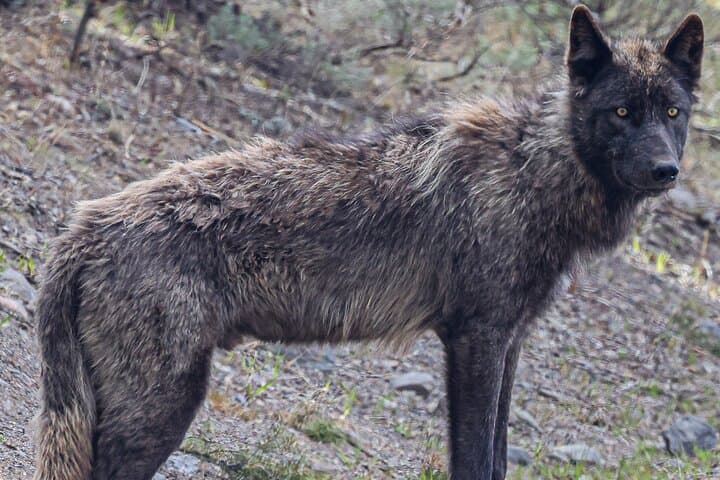
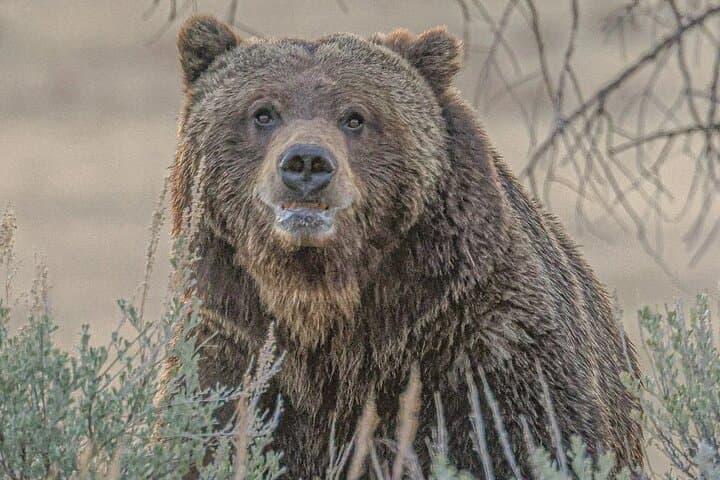
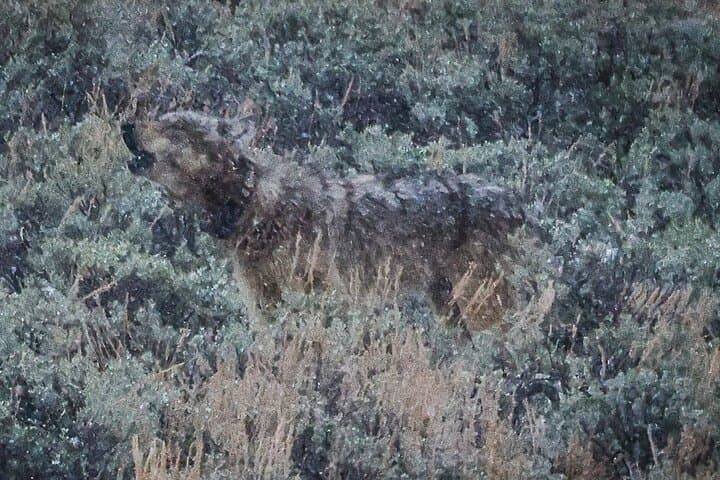
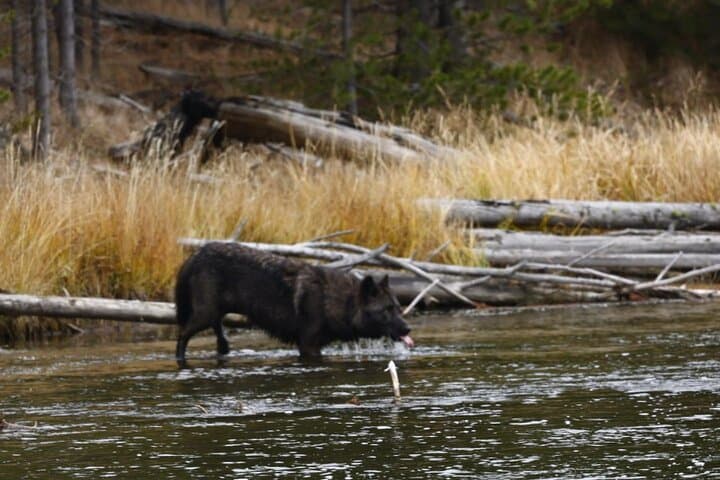
You climb into the van before dawn and the road ahead is still a ribbon of black against a sky that’s bruised purple. Your guide slides a spotting scope into view, and the world of Yellowstone opens like a map of motion: bison dotting a river plain, a pair of coyotes moving like punctuation, and, somewhere in the long grass of Lamar Valley, the cautious silhouette of a grizzly. The day unfolds as a rhythm of stops and scans, thermal steam and open meadows, a constant negotiation between patience and surprise.
You climb into the van before dawn and the road ahead is still a ribbon of black against a sky that’s bruised purple. Your guide slides a spotting scope into view, and the world of Yellowstone opens like a map of motion: bison dotting a river plain, a pair of coyotes moving like punctuation, and, somewhere in the long grass of Lamar Valley, the cautious silhouette of a grizzly. The day unfolds as a rhythm of stops and scans, thermal steam and open meadows, a constant negotiation between patience and surprise.
This is the Upper Loop—Mammoth Hot Springs, Tower Junction, Lamar Valley—the stretch that reads like a field guide. Yellowstone, established in 1872 as the world’s first national park, sits above a restless caldera whose heat sculpts terraces and geysers; much of the scenery you’ll see owes its shape to volcanic ash and the slow work of hydrothermal plumbing. The human story is older: tribes including the Crow, Shoshone and Blackfeet have traveled and lived on these routes for generations, and the modern park balances deep cultural ties with conservation policies that evolved after early tourism and hunting pressures nearly pushed some species to the brink.
Your guide becomes the day’s interpreter—geology one minute, migration patterns the next—using binoculars and scopes to extend your sightline into the valley. Wildlife here acts with agency: elk decide when to cross the road, bison claim a shoulder of highway as if to remind you who owns the plains. The guide’s job is to keep you close enough to see and far enough to be safe; a slow, quiet patience yields the best encounters.
Practicalities that matter: the tour runs about eight hours with hotel pickup in Gardiner and nearby lodgings, and lunch is included. Park entrance fees are not typically covered, so bring a pass or cash at the gate. Expect a lot of sitting interspersed with short walks to overlooks; wear layered clothing for mountain mornings and warmer midday sun. Keep cameras ready with a telephoto lens or use the provided spotting scopes for crisp wildlife shots. Maintain at least 100 yards from bears and wolves and 25 yards from other large mammals—rules exist because animals are unpredictable and the park’s safety record depends on visitor discipline.
Timing is everything: dawn and late afternoon concentrate activity in Lamar Valley, while geothermal features glow in softer light around midday. Hydrate, bring sunscreen and a small daypack for snacks and layers. If you want to push further, ask the guide about hidden pullouts where wolves are often observed and about the best terrace angles at Mammoth for frost or steam photography. It’s a day designed for slow looking—history, geology, and wildlife converge—and if you come with curiosity and respect, Yellowstone will repay you with scenes that linger long after the drive home.