THE ADVENTURE COLLECTIVE® · Independent discovery and booking for outdoor travel

Surf named waves and float through broad river vistas on an eight-mile Yellowstone River raft trip from Gardiner. This family-friendly half-day run packs Class I–III rapids, wildlife sightings and a short, easy logistics footprint—perfect for first-time rafters and visitors to Yellowstone’s north entrance.
Surf named waves and float through broad river vistas on an eight-mile Yellowstone River raft trip from Gardiner. This family-friendly half-day run packs Class I–III rapids, wildlife sightings and a short, easy logistics footprint—perfect for first-time rafters and visitors to Yellowstone’s north entrance.
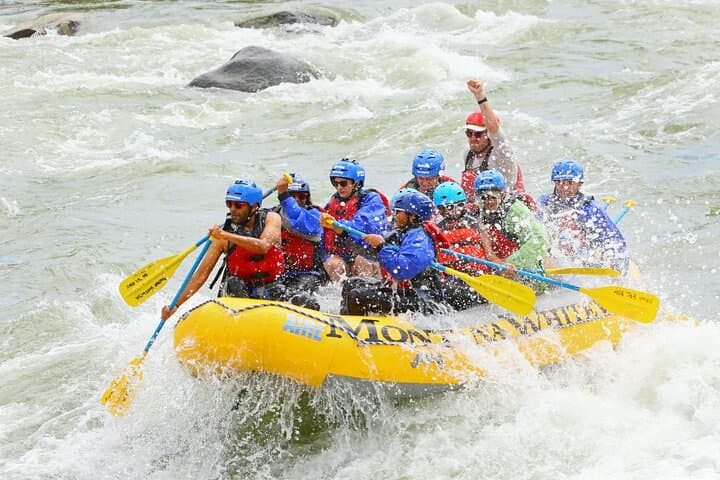
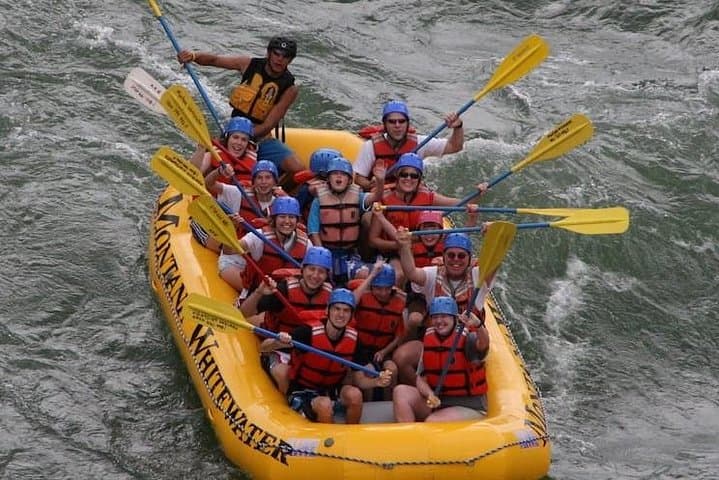
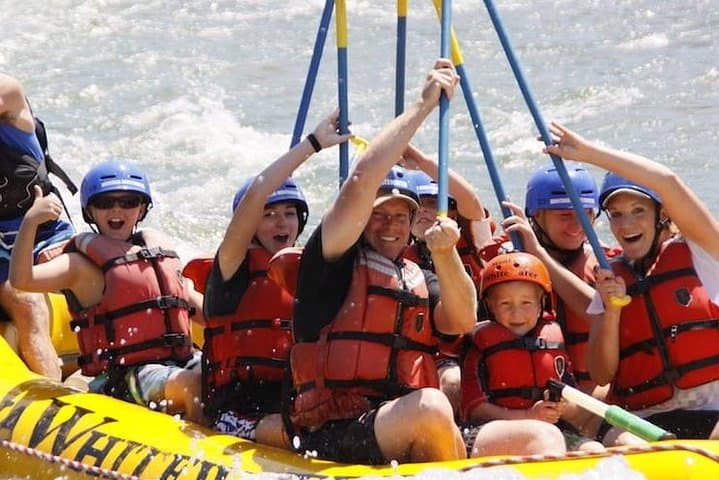
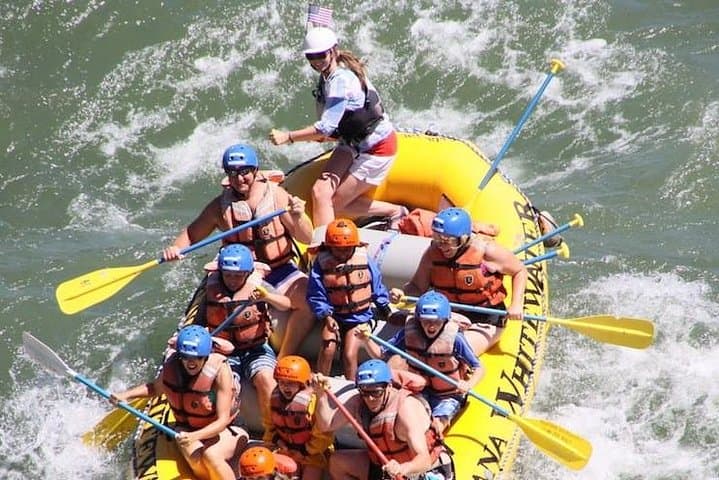
The bus pulls away from Scott Street and the town noise thins into a single, steady murmur—the river calling. Within minutes the Yellowstone opens wide: a broad, high-volume corridor of water that alternates between playful wave trains and sweeping flatwater that begs for a swim. On this eight-mile half-day run, guides point out Devil’s Slide, where ancient geologic forces tilted limestone into a long, dramatic stripe on the canyon wall, and pilots line up the raft to surf at named breaks—Bridge Waves, Man Eater, Loonie’s and Boonie’s Revenge, Queen of the Waters and the KING—each rapid with its own personality.
Verified experiences and guided adventures in the surrounding area.
Operated by Montana Whitewater Rafting and Yellowstone ZipLine · Gardiner, Montana
The bus pulls away from Scott Street and the town noise thins into a single, steady murmur—the river calling. Within minutes the Yellowstone opens wide: a broad, high-volume corridor of water that alternates between playful wave trains and sweeping flatwater that begs for a swim. On this eight-mile half-day run, guides point out Devil’s Slide, where ancient geologic forces tilted limestone into a long, dramatic stripe on the canyon wall, and pilots line up the raft to surf at named breaks—Bridge Waves, Man Eater, Loonie’s and Boonie’s Revenge, Queen of the Waters and the KING—each rapid with its own personality.
The Yellowstone here flows free; it’s one of the longest undammed rivers in the lower 48. That freedom shaped the valley’s human history: Indigenous tribes fished and traveled these channels long before prospectors and park founders arrived. Gardiner itself grew at the park’s north entrance as a gateway town, a place where hot-spring steam and river spray exist in the same air. Geologically, the river cuts through volcanic deposits and older sedimentary layers, giving the canyon its alternating cliffs and gentler banks.
Wildlife watches the current: bald eagles hunt fish from cottonwood perches and river otters play in eddies. The experience is equal parts adrenaline and observation—paddling through a rapid one minute, floating past a sunlit meadow the next. Because flows vary with season and snowmelt, the Yellowstone can be a mellow family float or a punchier class III playground; the outfitter recommends calling ahead for current cubic-feet-per-second conditions.
Practicalities matter. Expect roughly 1–1.5 hours on the water and about 2.5–3 hours total door-to-door. The meeting point is 603 Scott Street, Gardiner—minutes from Mammoth Hot Springs—and the operator provides wetsuits, booties, helmets, paddles and splash tops. Trips accept children ages six and up and are suited to first-time rafters and family groups, though participants should be in moderate physical condition and comfortable following guide commands.
For planning: arrive with synthetic layers that dry quickly, a sun hat, sunscreen, and a small dry bag for phones. If you want photos, bring a waterproof camera or a secure phone case—there are cinematic moments at Devil’s Slide and when the raft surfs a big wave. Late spring brings higher flows and more excitement; mid-summer often yields warm flatwater swims.
This run is a compact way to taste Yellowstone’s riverscape—big water, shorter commitment, and the kind of scenery that makes you pay attention. Whether you’re coaxing kids into their first rapid or chasing a day of short, repeated surfs, the Yellowstone’s eight-mile arc is an accessible, memorable slice of Montana river country.
moderate.
2.5–3 hours.
Moderate fitness; able to follow guide commands, sit in a raft, and handle short paddle bursts
Expect about 1–1.5 hours on the water, with a total door-to-door time of roughly 2.5–3 hours including gear-up and transport.
Children as young as six may participate; the outfitter evaluates young paddlers and may recommend alternative seating for safety.
Rapids vary with flow but are typically Class I–III; higher spring flows can make some sections more dynamic—call ahead for current conditions.
Yes—wetsuit, booties, helmet, paddle and splash top are included in the trip price.
Meet at the Yellowstone River office at 603 Scott Street, Gardiner, MT, across from the Super 8 and just outside the North Entrance to Yellowstone National Park.
Yes—bald eagles, river otters and other riparian species are commonly seen from the raft, especially in quieter flatwater sections.
The Yellowstone River is one of the longest free-flowing rivers in the lower 48; the Gardiner corridor developed as a gateway community to Yellowstone National Park around Mammoth Hot Springs in the late 19th century.
This section of river relies on responsible recreation—pack out trash, avoid disturbing wildlife, and follow guide instructions to reduce erosion and protect riparian habitats.
Montana Whitewater Rafting and Yellowstone ZipLine operates guided outdoor trips and adventures with an emphasis on safety, stewardship, and memorable experiences.
The bus pulls away from Scott Street and the town noise thins into a single, steady murmur—the river calling. Within minutes the Yellowstone opens wide: a broad, high-volume corridor of water that alternates between playful wave trains and sweeping flatwater that begs for a swim. On this eight-mile half-day run, guides point out Devil’s Slide, where ancient geologic forces tilted limestone into a long, dramatic stripe on the canyon wall, and pilots line up the raft to surf at named breaks—Bridge Waves, Man Eater, Loonie’s and Boonie’s Revenge, Queen of the Waters and the KING—each rapid with its own personality.
The bus pulls away from Scott Street and the town noise thins into a single, steady murmur—the river calling. Within minutes the Yellowstone opens wide: a broad, high-volume corridor of water that alternates between playful wave trains and sweeping flatwater that begs for a swim. On this eight-mile half-day run, guides point out Devil’s Slide, where ancient geologic forces tilted limestone into a long, dramatic stripe on the canyon wall, and pilots line up the raft to surf at named breaks—Bridge Waves, Man Eater, Loonie’s and Boonie’s Revenge, Queen of the Waters and the KING—each rapid with its own personality.
The Yellowstone here flows free; it’s one of the longest undammed rivers in the lower 48. That freedom shaped the valley’s human history: Indigenous tribes fished and traveled these channels long before prospectors and park founders arrived. Gardiner itself grew at the park’s north entrance as a gateway town, a place where hot-spring steam and river spray exist in the same air. Geologically, the river cuts through volcanic deposits and older sedimentary layers, giving the canyon its alternating cliffs and gentler banks.
Wildlife watches the current: bald eagles hunt fish from cottonwood perches and river otters play in eddies. The experience is equal parts adrenaline and observation—paddling through a rapid one minute, floating past a sunlit meadow the next. Because flows vary with season and snowmelt, the Yellowstone can be a mellow family float or a punchier class III playground; the outfitter recommends calling ahead for current cubic-feet-per-second conditions.
Practicalities matter. Expect roughly 1–1.5 hours on the water and about 2.5–3 hours total door-to-door. The meeting point is 603 Scott Street, Gardiner—minutes from Mammoth Hot Springs—and the operator provides wetsuits, booties, helmets, paddles and splash tops. Trips accept children ages six and up and are suited to first-time rafters and family groups, though participants should be in moderate physical condition and comfortable following guide commands.
For planning: arrive with synthetic layers that dry quickly, a sun hat, sunscreen, and a small dry bag for phones. If you want photos, bring a waterproof camera or a secure phone case—there are cinematic moments at Devil’s Slide and when the raft surfs a big wave. Late spring brings higher flows and more excitement; mid-summer often yields warm flatwater swims.
This run is a compact way to taste Yellowstone’s riverscape—big water, shorter commitment, and the kind of scenery that makes you pay attention. Whether you’re coaxing kids into their first rapid or chasing a day of short, repeated surfs, the Yellowstone’s eight-mile arc is an accessible, memorable slice of Montana river country.