THE ADVENTURE COLLECTIVE® · Independent discovery and booking for outdoor travel

Float 6 miles of the Yellowstone River along the park’s northern boundary, an easy 2–2.5 hour guided trip that blends light paddling with wildlife viewing. Expect changing flows, cool river spray, and close-up views of the valley’s geology and habitats.
Float 6 miles of the Yellowstone River along the park’s northern boundary, an easy 2–2.5 hour guided trip that blends light paddling with wildlife viewing. Expect changing flows, cool river spray, and close-up views of the valley’s geology and habitats.
The raft eases away from a gravel bar and the Yellowstone River takes over: cold, glassy at low flow, and impatient in spring runoff. For the next 6–6.5 miles the current does most of the work while guide calls and oars punctuate the valley air. Riparian cottonwoods lean toward the flow as if listening; cliffs and sagebrush watch from the banks.
Verified experiences and guided adventures in the surrounding area.
Operated by Montana Whitewater Rafting and Yellowstone ZipLine · Gardiner, Montana
The raft eases away from a gravel bar and the Yellowstone River takes over: cold, glassy at low flow, and impatient in spring runoff. For the next 6–6.5 miles the current does most of the work while guide calls and oars punctuate the valley air. Riparian cottonwoods lean toward the flow as if listening; cliffs and sagebrush watch from the banks.
This float follows the northern edge of Yellowstone National Park, a corridor shaped by Pleistocene glaciation and constant fluvial incision. Indigenous peoples — Crow, Shoshone, and others — long relied on the river’s corridor for travel and seasonal resources, and early settlers used the valley as a gateway to the park. Geologically, the river exposes travertine near Mammoth Hot Springs upstream and cuts through volcanic and sedimentary layers that define the northern park boundary.
On the water you’ll scan cliffs and floodplain for elk, bison, and eagles; guides will point out natural and cultural landmarks while keeping the craft steady. The trip is typically 2–2.5 hours depending on flow; most participants paddle a bit but the guide rows when needed. Expect cool water spray, sun on exposed stretches, and quick wildlife sightings from the raft.
Practical notes: wear river shoes or neoprene boots (provided by many operators), layer for variable temps, and bring sunscreen and a small dry bag for cameras. Spring flows can quicken the pace; summer runs are gentler and ideal for family groups. This is an accessible float that balances downtime with chances to paddle and observe Yellowstone’s riverscape safely.
easy.
2–3 hours.
Suitable for most fitness levels; ability to sit for 2–3 hours and follow guide instructions required
The float covers roughly 6–6.5 miles and typically takes about 2–2.5 hours; guides do most of the rowing but guests may paddle when invited.
Yes — it’s rated easy and operators often accept families; however, guests must be able to step in/out of a raft and follow safety briefings. Check operator specifics for wheelchair access details.
Wear quick-dry layers and river shoes; many outfitters provide wetsuits, splash gear, paddles, and life jackets as listed in inclusions.
Yes — spring runoff raises flows and can shorten trip time; operators may modify or cancel trips for safety or unfavorable conditions.
The Yellowstone River valley served as a travel and resource corridor for Crow and Shoshone peoples and later became a route for early park visitors; the river helps define the northern park boundary.
This stretch flows through sensitive riparian habitat; follow Leave No Trace, avoid disturbing wildlife, and use guided services that prioritize minimal riverbank impact.
Montana Whitewater Rafting and Yellowstone ZipLine operates guided outdoor trips and adventures with an emphasis on safety, stewardship, and memorable experiences.
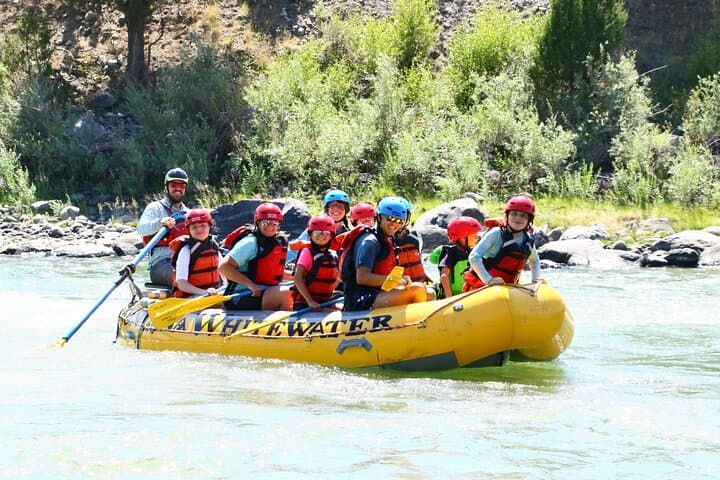
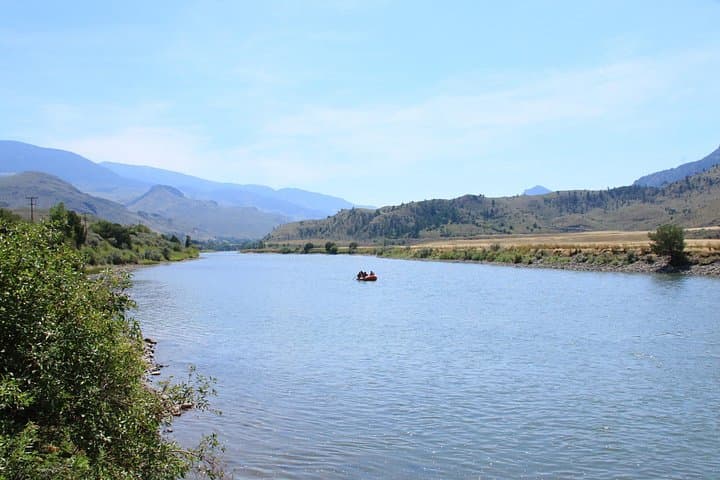
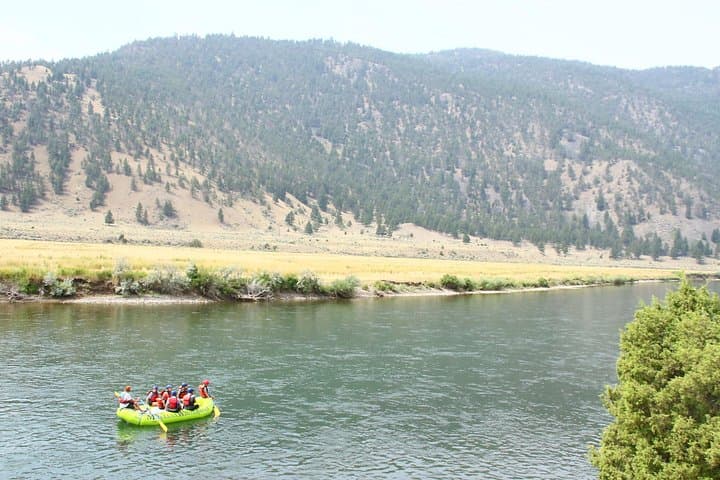
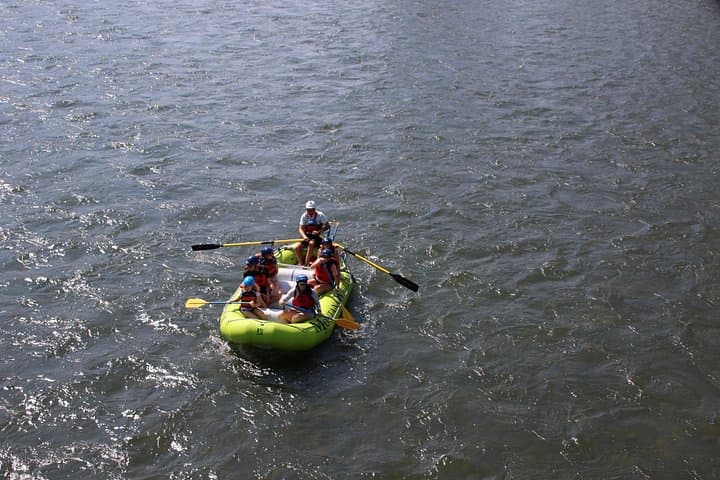
The raft eases away from a gravel bar and the Yellowstone River takes over: cold, glassy at low flow, and impatient in spring runoff. For the next 6–6.5 miles the current does most of the work while guide calls and oars punctuate the valley air. Riparian cottonwoods lean toward the flow as if listening; cliffs and sagebrush watch from the banks.
The raft eases away from a gravel bar and the Yellowstone River takes over: cold, glassy at low flow, and impatient in spring runoff. For the next 6–6.5 miles the current does most of the work while guide calls and oars punctuate the valley air. Riparian cottonwoods lean toward the flow as if listening; cliffs and sagebrush watch from the banks.
This float follows the northern edge of Yellowstone National Park, a corridor shaped by Pleistocene glaciation and constant fluvial incision. Indigenous peoples — Crow, Shoshone, and others — long relied on the river’s corridor for travel and seasonal resources, and early settlers used the valley as a gateway to the park. Geologically, the river exposes travertine near Mammoth Hot Springs upstream and cuts through volcanic and sedimentary layers that define the northern park boundary.
On the water you’ll scan cliffs and floodplain for elk, bison, and eagles; guides will point out natural and cultural landmarks while keeping the craft steady. The trip is typically 2–2.5 hours depending on flow; most participants paddle a bit but the guide rows when needed. Expect cool water spray, sun on exposed stretches, and quick wildlife sightings from the raft.
Practical notes: wear river shoes or neoprene boots (provided by many operators), layer for variable temps, and bring sunscreen and a small dry bag for cameras. Spring flows can quicken the pace; summer runs are gentler and ideal for family groups. This is an accessible float that balances downtime with chances to paddle and observe Yellowstone’s riverscape safely.