THE ADVENTURE COLLECTIVE® · Independent discovery and booking for outdoor travel

Drive away from town with local Indigenous guides and chase the aurora across Yellowknife’s clear northern skies. This practical guide covers what to expect, how to dress, and simple camera tips to capture the lights.
Drive away from town with local Indigenous guides and chase the aurora across Yellowknife’s clear northern skies. This practical guide covers what to expect, how to dress, and simple camera tips to capture the lights.
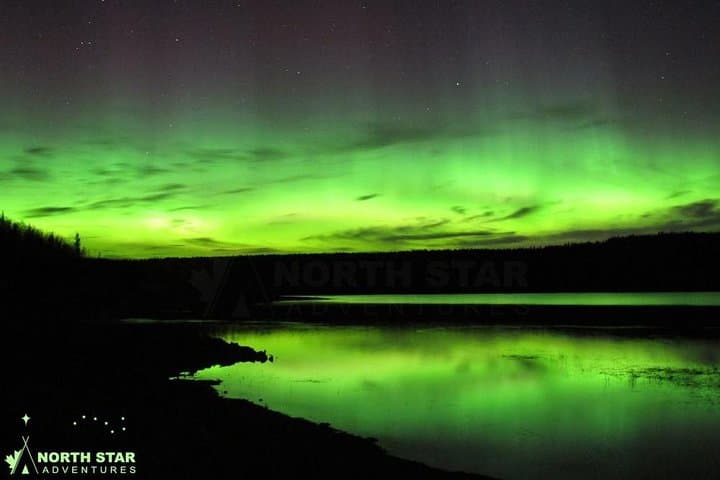
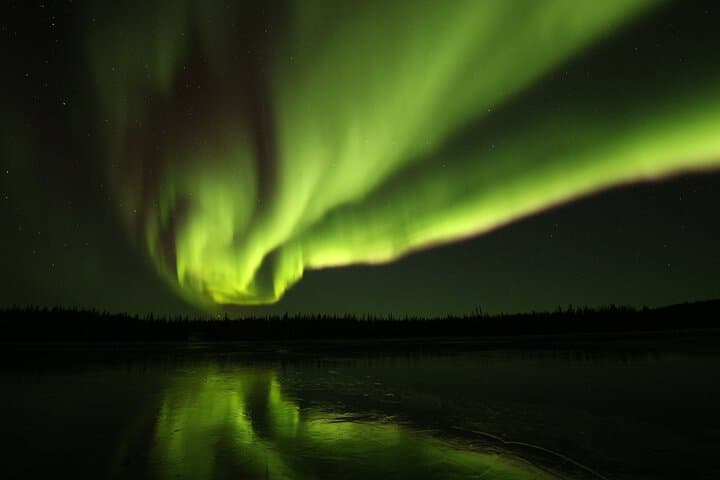
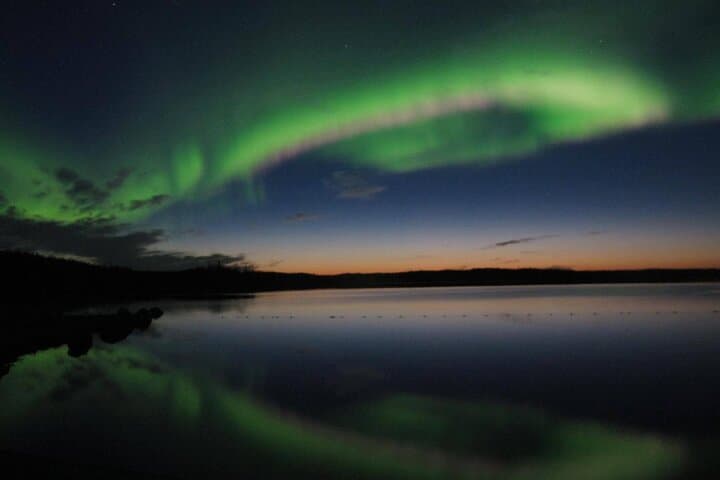
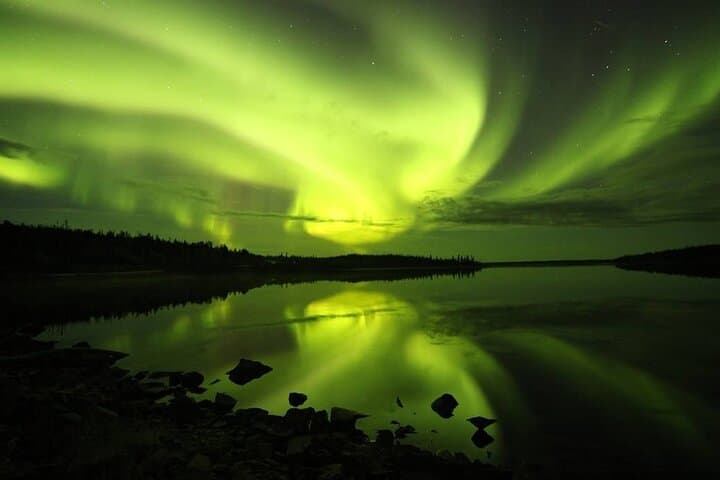
The van eases away from Yellowknife’s sodium lights and the land opens into black spruce and frozen muskeg. Above, the sky feels alive—steady stars, then a slow green ribbon beginning to sway. The guides, born and raised in the territory, read the sky like a map and drive where the aurora and weather give them the best chance.
Verified experiences and guided adventures in the surrounding area.
Operated by North Star Adventures · Yellowknife, Northwest Territories
The van eases away from Yellowknife’s sodium lights and the land opens into black spruce and frozen muskeg. Above, the sky feels alive—steady stars, then a slow green ribbon beginning to sway. The guides, born and raised in the territory, read the sky like a map and drive where the aurora and weather give them the best chance.
Yellowknife sits on the north shore of Great Slave Lake; the region’s thin atmosphere and frequent clear nights make it one of the world’s most reliable places to see aurora borealis. The tour is 100% Aboriginal owned and designed for mobility: guides scout multiple roadside and wilderness vantage points rather than operating from a single lodge. Expect remote pullouts, open tundra edges and cold, pine-smelling air; there are no cabins or washrooms on most stops.
Culturally, Northwest Territories communities long treated the lights with reverence—stories and star knowledge inform local guiding. Geologically, the area’s stable Precambrian shield and proximity to the auroral oval increase display frequency.
Practical guide: tours run about four hours in evening darkness, often with small groups (up to 12). The company provides hot chocolate, maple cookies, tripod rentals and complimentary aurora photography. Dress for subzero temperatures in winter: layered insulation, windproof outerwear and spare batteries are essential. Bring a camera that allows manual exposure, a sturdy tripod, and plan for wildlife (foxes and owls are common near roads). Be flexible—the guide’s route changes nightly to follow clear skies and active displays. Mobile tickets and GST are included; note that bookings are final and children must be accompanied by an adult. Arrive with realistic expectations—Yellowknife maximizes chances, but the aurora always chooses its own hour.
easy.
4 hours.
Suitable for all fitness levels—mostly sedentary with short, flat walks at stops
The standard tour is approximately four hours, running after local sunset when darkness allows for aurora viewing.
Most viewing stops are roadside or wilderness pullouts; there are typically no washrooms, so plan accordingly.
Guides provide free professional photographs of your group and offer tripod rentals; you can also use your own camera with manual exposure settings.
Guests aged five and up are accepted, and children must be accompanied by an adult.
Yellowknife grew from mining in the 1930s and now centers on Dene and Métis communities whose sky stories shape modern guiding.
Tours avoid off-road travel to protect tundra; use of established pullouts minimizes damage, and guides emphasize Leave No Trace practices.
North Star Adventures operates guided outdoor trips and adventures with an emphasis on safety, stewardship, and memorable experiences.
The van eases away from Yellowknife’s sodium lights and the land opens into black spruce and frozen muskeg. Above, the sky feels alive—steady stars, then a slow green ribbon beginning to sway. The guides, born and raised in the territory, read the sky like a map and drive where the aurora and weather give them the best chance.
The van eases away from Yellowknife’s sodium lights and the land opens into black spruce and frozen muskeg. Above, the sky feels alive—steady stars, then a slow green ribbon beginning to sway. The guides, born and raised in the territory, read the sky like a map and drive where the aurora and weather give them the best chance.
Yellowknife sits on the north shore of Great Slave Lake; the region’s thin atmosphere and frequent clear nights make it one of the world’s most reliable places to see aurora borealis. The tour is 100% Aboriginal owned and designed for mobility: guides scout multiple roadside and wilderness vantage points rather than operating from a single lodge. Expect remote pullouts, open tundra edges and cold, pine-smelling air; there are no cabins or washrooms on most stops.
Culturally, Northwest Territories communities long treated the lights with reverence—stories and star knowledge inform local guiding. Geologically, the area’s stable Precambrian shield and proximity to the auroral oval increase display frequency.
Practical guide: tours run about four hours in evening darkness, often with small groups (up to 12). The company provides hot chocolate, maple cookies, tripod rentals and complimentary aurora photography. Dress for subzero temperatures in winter: layered insulation, windproof outerwear and spare batteries are essential. Bring a camera that allows manual exposure, a sturdy tripod, and plan for wildlife (foxes and owls are common near roads). Be flexible—the guide’s route changes nightly to follow clear skies and active displays. Mobile tickets and GST are included; note that bookings are final and children must be accompanied by an adult. Arrive with realistic expectations—Yellowknife maximizes chances, but the aurora always chooses its own hour.