THE ADVENTURE COLLECTIVE® · Independent discovery and booking for outdoor travel

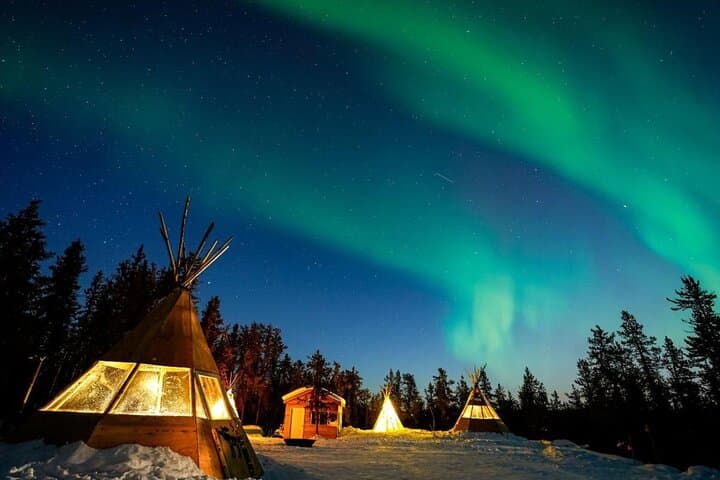
Spend four nights in Yellowknife with guided aurora hunts and a private heated cabin viewing. Local guides drive to multiple dark-sky sites over three evenings, sharing folklore, hot drinks, and photography tips for photographing the Northern Lights.
Spend four nights in Yellowknife with guided aurora hunts and a private heated cabin viewing. Local guides drive to multiple dark-sky sites over three evenings, sharing folklore, hot drinks, and photography tips for photographing the Northern Lights.
The night opens cold and clear outside Yellowknife, and a shuttle hums out of town toward dark stretches of tundra and frozen lakes. Guides point out constellations as heat from the vehicle is traded for the bite of Arctic air; when the aurora arrives it moves like a slow tide, folding color across the sky and daring you to keep still.
Verified experiences and guided adventures in the surrounding area.
Operated by NWT Charter Services · Yellowknife, Northwest Territories
The night opens cold and clear outside Yellowknife, and a shuttle hums out of town toward dark stretches of tundra and frozen lakes. Guides point out constellations as heat from the vehicle is traded for the bite of Arctic air; when the aurora arrives it moves like a slow tide, folding color across the sky and daring you to keep still.
This corner of Canada's Northwest Territories sits on ancient Precambrian rock—broad, glaciated terrain gouged by ice and scoured into lake-strewn plains. Yellowknife grew from Dene lands and a 20th-century mining boom; today the community mixes Indigenous stories with a modern outfitting culture that knows how to read auroral forecasts and local weather patterns.
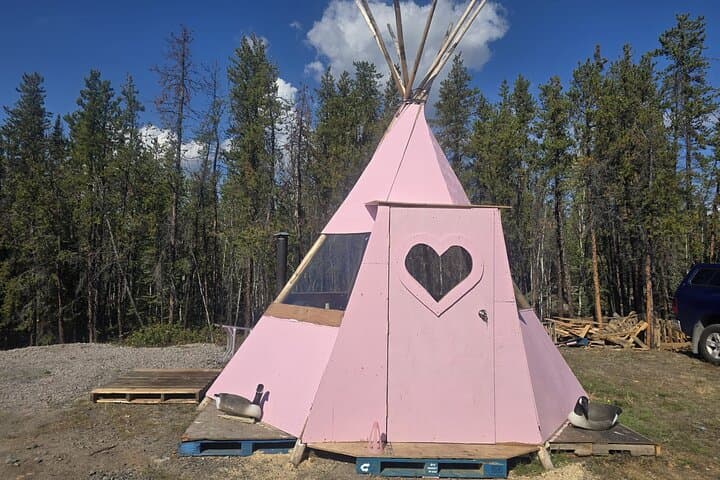
Expect two guided ‘on the road’ hunts and one evening at a private heated cabin site with hot drinks and snacks. Nights are about patient watching; days are yours to explore the city or rest. Guides explain KP-index basics, cloud cover patterns influenced by nearby Great Slave Lake, and cultural tales that frame the lights for Indigenous and settler histories alike.
Practically: dress in insulated layers, bring a sturdy tripod if photographing, charge batteries before each outing, and plan for late nights—most sightings happen between 10 p.m. and 2 a.m. The tour operates by vehicle, so mobility needs are low but you should be prepared to stand outside for long periods. If you want peak odds, schedule trips between late fall and early spring when nights are long and skies are darker. With local expertise and a little patience, Yellowknife delivers one of the most reliable aurora-viewing experiences on the planet.
easy.
4 days (3 nights).
Suitable for most fitness levels; ability to stand outdoors in cold for extended periods recommended
Yellowknife is one of the most reliable aurora destinations with frequent displays in fall, winter, and early spring, but sightings depend on geomagnetic activity and cloud cover—guides increase odds by moving to clearer, darker locations.
No; tours use heated vehicles and a cabin viewing site, so basic tolerance for cold and the ability to dress appropriately are sufficient.
Yes—guides welcome photography and often offer basic composition tips; bring a tripod for long exposures and spare batteries kept warm in an inner pocket.
Full refunds are available if you cancel at least 24 hours before departure; tours may also be canceled for poor weather or insufficient travelers, per the operator’s standard policy.
Yellowknife sits on Treaty 8 territory and grew quickly in the mid-20th century with gold and later diamond mining; contemporary culture blends Indigenous heritage and northern outfitting traditions.
Operators minimize impact by using existing road access and limiting lights at viewing sites; visitors should pack out waste, respect vegetation, and follow guides’ instructions to protect fragile tundra.
NWT Charter Services operates guided outdoor trips and adventures with an emphasis on safety, stewardship, and memorable experiences.
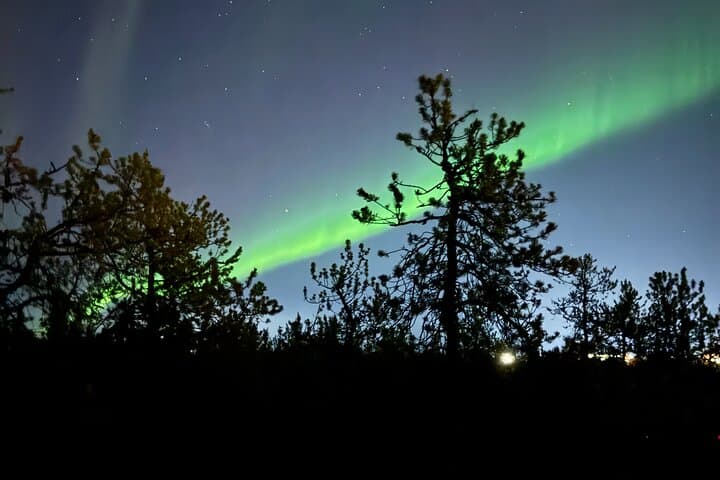
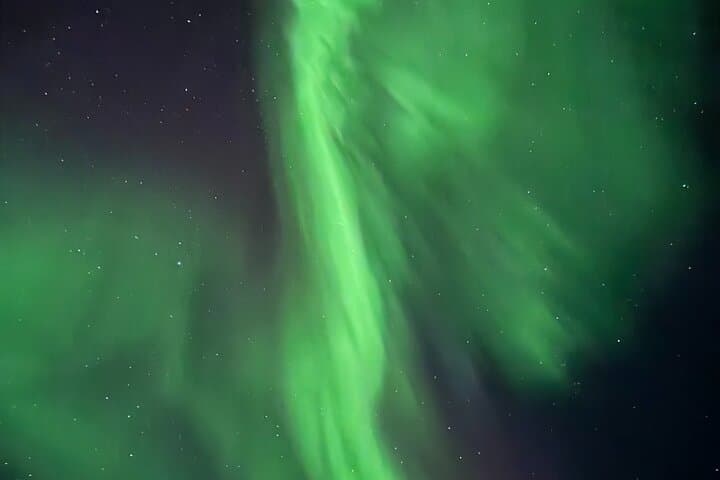
The night opens cold and clear outside Yellowknife, and a shuttle hums out of town toward dark stretches of tundra and frozen lakes. Guides point out constellations as heat from the vehicle is traded for the bite of Arctic air; when the aurora arrives it moves like a slow tide, folding color across the sky and daring you to keep still.
The night opens cold and clear outside Yellowknife, and a shuttle hums out of town toward dark stretches of tundra and frozen lakes. Guides point out constellations as heat from the vehicle is traded for the bite of Arctic air; when the aurora arrives it moves like a slow tide, folding color across the sky and daring you to keep still.
This corner of Canada's Northwest Territories sits on ancient Precambrian rock—broad, glaciated terrain gouged by ice and scoured into lake-strewn plains. Yellowknife grew from Dene lands and a 20th-century mining boom; today the community mixes Indigenous stories with a modern outfitting culture that knows how to read auroral forecasts and local weather patterns.
Expect two guided ‘on the road’ hunts and one evening at a private heated cabin site with hot drinks and snacks. Nights are about patient watching; days are yours to explore the city or rest. Guides explain KP-index basics, cloud cover patterns influenced by nearby Great Slave Lake, and cultural tales that frame the lights for Indigenous and settler histories alike.
Practically: dress in insulated layers, bring a sturdy tripod if photographing, charge batteries before each outing, and plan for late nights—most sightings happen between 10 p.m. and 2 a.m. The tour operates by vehicle, so mobility needs are low but you should be prepared to stand outside for long periods. If you want peak odds, schedule trips between late fall and early spring when nights are long and skies are darker. With local expertise and a little patience, Yellowknife delivers one of the most reliable aurora-viewing experiences on the planet.