THE ADVENTURE COLLECTIVE® · Independent discovery and booking for outdoor travel

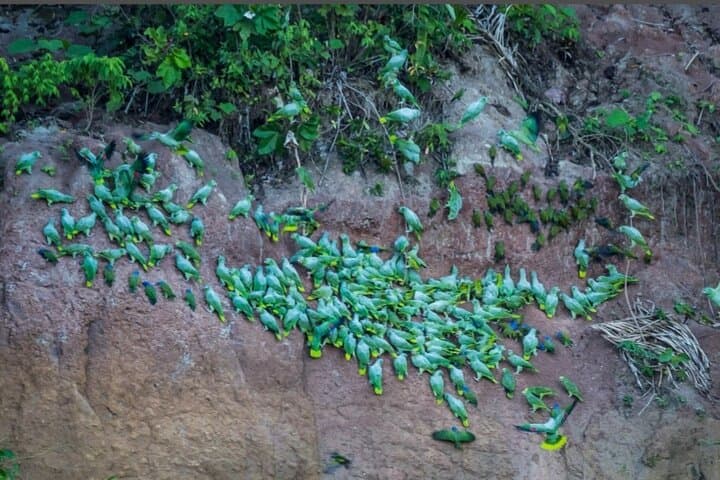
Four days of canoe travel, elevated safari tents and dawn vigils at parrot clay licks in Yasuni National Park. This multi-day expedition focuses on Tiputini’s rivers, wildlife and Kichwa cultural encounters.
Four days of canoe travel, elevated safari tents and dawn vigils at parrot clay licks in Yasuni National Park. This multi-day expedition focuses on Tiputini’s rivers, wildlife and Kichwa cultural encounters.
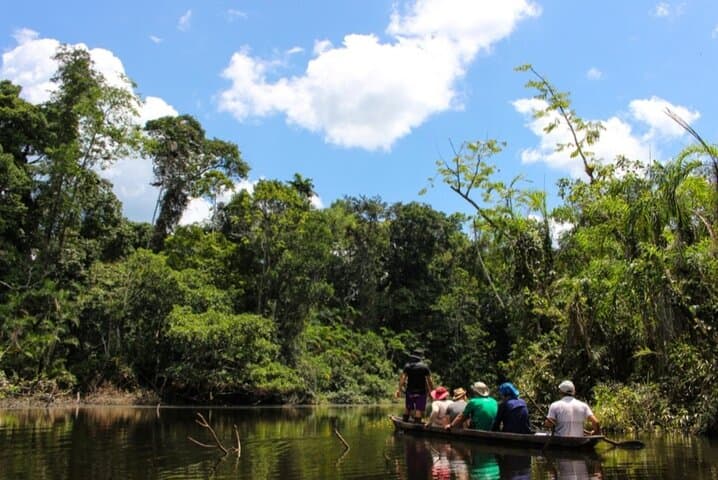
The canoe slips from Coca into a dark, glassy ribbon of river and the forest leans in — leaves brushing the motor’s wake, parrots detonating color over the canopy. A low-platform camp waits beneath giant ceiba and palm, tents raised on decking to keep the wet ground and mosquitoes at bay. Nights are alive: distant howlers mark territory, cicadas sharpen the dark, and the Tiputini River nudges the camp with a steady, wet breath.
Verified experiences and guided adventures in the surrounding area.
Operated by Adventure Journeys · Puerto Francisco de Orellana (Coca), Orellana
The canoe slips from Coca into a dark, glassy ribbon of river and the forest leans in — leaves brushing the motor’s wake, parrots detonating color over the canopy. A low-platform camp waits beneath giant ceiba and palm, tents raised on decking to keep the wet ground and mosquitoes at bay. Nights are alive: distant howlers mark territory, cicadas sharpen the dark, and the Tiputini River nudges the camp with a steady, wet breath.
Yasuni sits in the western Amazon Basin on soils that read poor but host astonishing life; nutrient-poor terra firme, oxbow lagoons and seasonally flooded várzea create pockets of specialization. The Kichwa people of the region keep living knowledge of plants and animal behavior; guides share stories of traditional use and the careful relationship between people and forest. Decades of scientific work here highlight Yasuni as one of the planet’s most biodiverse reserves, though it faces pressures from development.
Practically, expect long canoe transfers, rainforest trails with muddy, rooty footing, and concentrated wildlife viewing at clay licks and river edges. Mornings and late afternoons are prime—parrots, macaws and kingfishers are most active while giant otters often inspect canoes. Wear sturdy rubber boots (many camps provide them), layer breathable, quick-dry clothing, and tuck repellant and a rain shell within easy reach. Water and food are included at camp, but bring a refillable bottle and altitude-acclimated patience: the jungle’s rhythm is slow and sudden all at once. Follow guides’ instructions around wildlife and indigenous properties, and carry out all waste—the forest responds best to light footprints.
moderate.
3–4 days.
Light to moderate fitness; able to manage several hours of guided walking on uneven, muddy terrain and extended canoe transfers.
The camp sits within Yasuni National Park and requires a 2‑hour land transfer from Coca followed by a 1.5‑hour motorized canoe ride—expect limited services beyond the camp facilities.
Yes—meals as listed are included and safari‑style elevated tents are provided; dry bags and life jackets are offered by the operator.
Common sightings include macaws, parrots, toucans, howler monkeys, and sometimes giant otters; jaguar sightings are rare but possible in the park’s vast habitat.
The trip is advertised as suitable for all fitness levels, but canoe transfers and uneven jungle trails may be challenging for young children or those with limited mobility—consult the operator before booking.
Yasuni has been home to Kichwa and other indigenous groups for generations; the area gained global attention for its exceptional biodiversity and the cultural knowledge preserved by local communities.
Yasuni faces pressure from development and oil activity; low-impact ecotourism supports local economies and raises awareness—follow guides’ rules and practice leave‑no‑trace principles.
Adventure Journeys operates guided outdoor trips and adventures with an emphasis on safety, stewardship, and memorable experiences.
The canoe slips from Coca into a dark, glassy ribbon of river and the forest leans in — leaves brushing the motor’s wake, parrots detonating color over the canopy. A low-platform camp waits beneath giant ceiba and palm, tents raised on decking to keep the wet ground and mosquitoes at bay. Nights are alive: distant howlers mark territory, cicadas sharpen the dark, and the Tiputini River nudges the camp with a steady, wet breath.
The canoe slips from Coca into a dark, glassy ribbon of river and the forest leans in — leaves brushing the motor’s wake, parrots detonating color over the canopy. A low-platform camp waits beneath giant ceiba and palm, tents raised on decking to keep the wet ground and mosquitoes at bay. Nights are alive: distant howlers mark territory, cicadas sharpen the dark, and the Tiputini River nudges the camp with a steady, wet breath.
Yasuni sits in the western Amazon Basin on soils that read poor but host astonishing life; nutrient-poor terra firme, oxbow lagoons and seasonally flooded várzea create pockets of specialization. The Kichwa people of the region keep living knowledge of plants and animal behavior; guides share stories of traditional use and the careful relationship between people and forest. Decades of scientific work here highlight Yasuni as one of the planet’s most biodiverse reserves, though it faces pressures from development.
Practically, expect long canoe transfers, rainforest trails with muddy, rooty footing, and concentrated wildlife viewing at clay licks and river edges. Mornings and late afternoons are prime—parrots, macaws and kingfishers are most active while giant otters often inspect canoes. Wear sturdy rubber boots (many camps provide them), layer breathable, quick-dry clothing, and tuck repellant and a rain shell within easy reach. Water and food are included at camp, but bring a refillable bottle and altitude-acclimated patience: the jungle’s rhythm is slow and sudden all at once. Follow guides’ instructions around wildlife and indigenous properties, and carry out all waste—the forest responds best to light footprints.